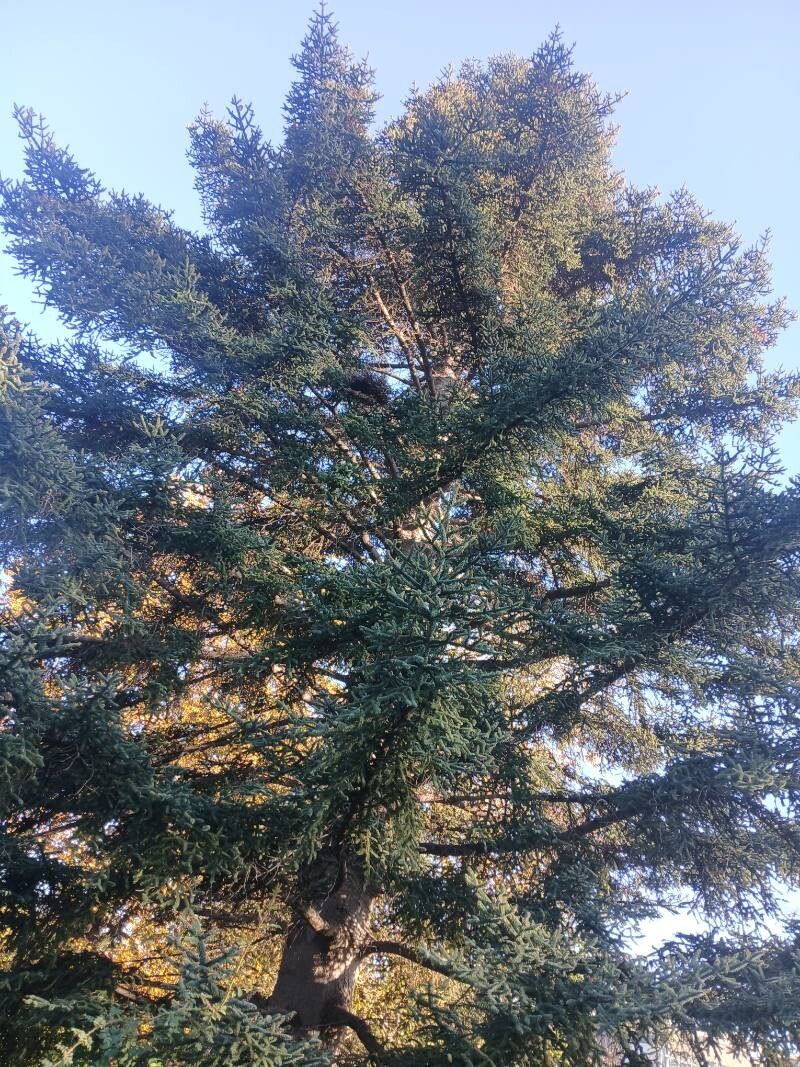
Oh, hello there! Pull up a chair and let’s chat about something truly special: propagating the gorgeous Spanish Fir, Abies pinsapo. I’ve been coaxing these beautiful conifers to life for years, and let me tell you, there’s a deep satisfaction in watching a tiny cutting transform into a future sentinel for your garden.
Why the Spanish Fir?
Abies pinsapo is a stunner. Those stiff, dark green needles have a wonderful, almost sculptural quality, and their stately, conical form brings a touch of the Mediterranean to any landscape. It’s not the quickest grower, but its enduring beauty makes the patience well worth it. Now, for the big question: is it easy for beginners? To be upfront, propagating conifers can be a bit more challenging than your average herbaceous plant, but with a little care and the right approach, you can absolutely achieve success. Don’t let that deter you; it’s a rewarding journey!
The Best Time to Start
Timing is everything, isn’t it? For Abies pinsapo, you’ll want to focus on softwood or semi-hardwood cuttings taken in late spring to early summer. This is when the new growth is still flexible and pliable, giving it the best chance to form roots. You’re looking for shoots that have elongated this season but haven’t yet hardened off completely. Think of it as capturing that vibrant, youthful energy.
Supplies You’ll Need
Gathering your tools is the first step to success. Here’s what I always have on hand:
- Sharp, sterile pruning shears or a craft knife/scalpel: Cleanliness is crucial to prevent disease.
- Rooting hormone powder or gel: This is a game-changer, encouraging root development.
- A well-draining potting mix: I like a blend of perlite, coarse sand, and a good quality peat-free compost (about 1:1:1 ratio works well). You want excellent aeration.
- Small pots or a seed tray with deep cells: Ensure they have drainage holes.
- A clear plastic bag or a propagation dome: This creates a humid environment.
- Watering can with a fine rose: For gentle watering.
- Gravel or grit: For the bottom of pots or to mix into the soil if it seems too heavy.
- Labels and a permanent marker: Always label your cuttings!
Propagation Methods: Taking Cuttings
For Abies pinsapo, stem cuttings are your best bet. Division isn’t really applicable to this type of conifer, and water propagation is generally too risky for conifers due to rot.
Here’s how to take and prepare your cuttings:
- Select your branches: Look for healthy, vigorous stems from this year’s growth. Aim for cuttings that are about 4 to 6 inches long. Make sure they have a few sets of needles along the stem.
- Make the cut: Using your sterile shears or knife, make a clean cut just below a leaf node (where a leaf attaches to the stem). You can also try a slight heel, which is a small piece of older wood attached to the cutting. This can sometimes help.
- Prepare the cutting: Gently remove the needles from the bottom 1-2 inches of the cutting. This is where the roots will form, and you don’t want leaves submerged or in direct contact with the soil if they might rot. If you’re using a very soft tip, you can pinch it off.
- Apply rooting hormone: Dip the bottom, de-needled end of the cutting into your rooting hormone. Tap off any excess.
- Plant your cuttings: Fill your pots with your prepared, moistened potting mix. Make a hole with a pencil or finger deep enough for the hormone-coated end. Gently insert the cutting, ensuring it stands upright. Firm the soil around it. If you’re planting multiple cuttings in one pot, space them a couple of inches apart to allow for air circulation.
- Water gently: Water thoroughly but gently to settle the soil around the cuttings.
The “Secret Sauce” (Pro Tips)
Now for those little nuggets of wisdom I’ve picked up over the years:
- The “heel” can be your friend: When taking cuttings, try to gently pull a small sliver of older wood from the parent plant along with your cutting. This little ‘heel’ can sometimes encourage faster rooting because it contains existing cambium tissue. Just be gentle – you don’t want to damage the parent plant unnecessarily.
- Bottom heat is divine: Conifers often benefit from a little warmth from below. Placing your pots on a heated propagator mat can significantly speed up the rooting process. It tricks the cutting into thinking it’s in warmer soil, stimulating root development from the base.
- Don’t mist too much, but keep it humid: While you want humidity, constantly drenching the foliage can invite fungal issues. Instead, aim for consistent humidity inside your propagation dome or plastic bag. Lightly misting the inside of the bag or dome, rather than the cuttings themselves, can be a good strategy.
Aftercare & Troubleshooting
Once your cuttings are planted, it’s time for patience and careful observation.
- Placement: Keep them in a bright location but out of direct sunlight. Too much sun will scorch the delicate cuttings.
- Humidity: Cover your pots with a clear plastic bag or propagation dome to maintain high humidity. Open it up for a few minutes each day to allow for air exchange.
- Watering: Keep the soil consistently moist but not waterlogged. Check the moisture levels by gently pressing the soil with your finger.
- Rooting time: Be patient! Abies pinsapo can take several months to a year to root fully. You can gently tug a cutting; if there’s resistance, that’s a good sign of roots.
- Troubleshooting: The most common issue you’ll face is rot. If you see blackening at the base of the cutting or fuzzy gray mold, it’s likely rot. This usually means the soil is too wet or there isn’t enough air circulation. You may need to discard affected cuttings and ensure better drainage and ventilation for the rest. If the needles turn yellow and drop, it could be a sign of drying out or insufficient light.
Keep Growing!
There you have it! Propagating Abies pinsapo might take a bit more finesse than some other plants, but the reward of cultivating your own beautiful Spanish Firs is immeasurable. Don’t be discouraged if your first attempts aren’t perfect. Each cutting you take is a lesson learned, and each success builds your confidence. Enjoy the process, and happy gardening!
Resource:
https://identify.plantnet.org/k-world-flora/species/Abies%20pinsapo%20Boiss./data