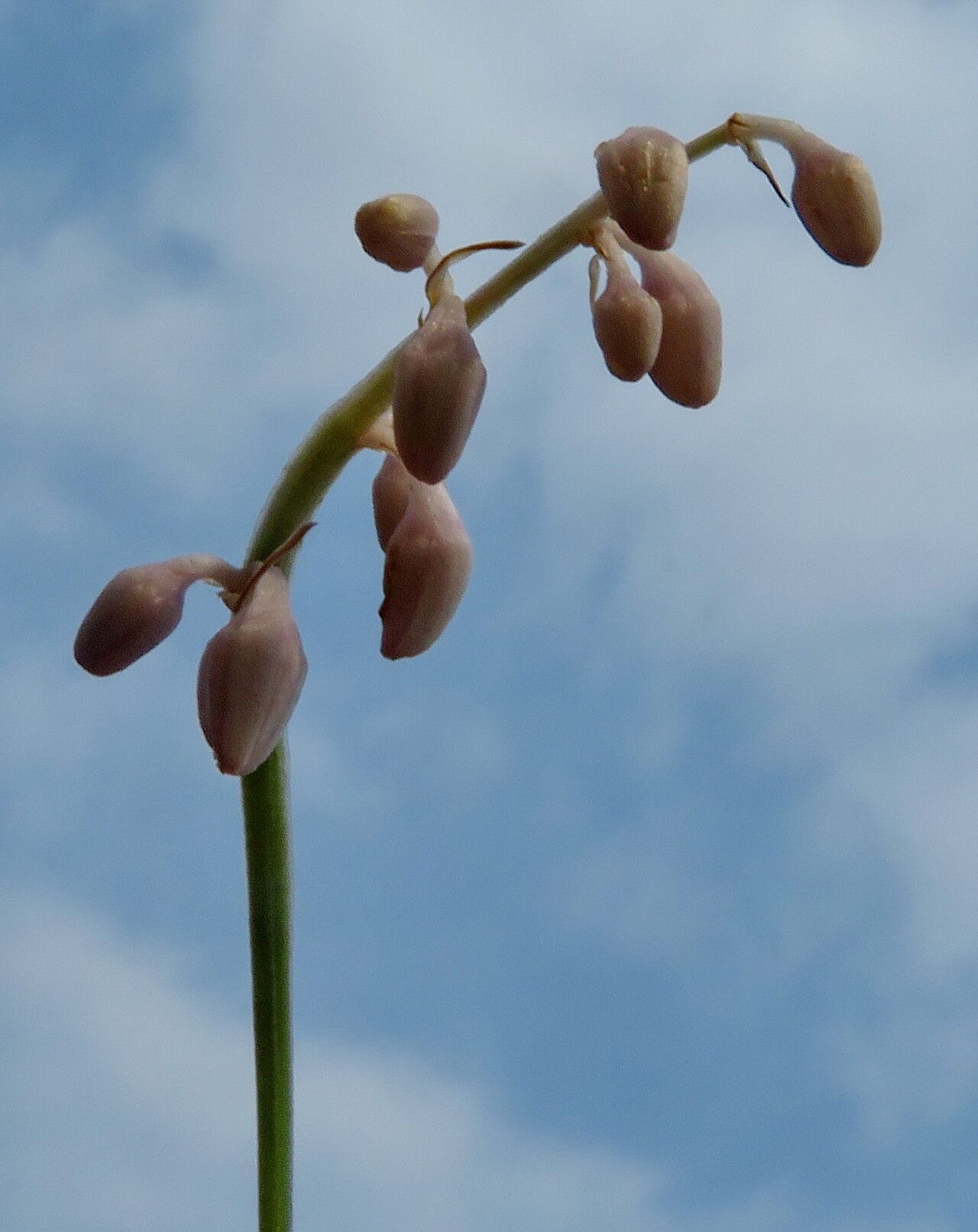
Oh, hello there! Come on in, pull up a chair. I’ve got a fresh pot of coffee brewing. Today, we’re going to talk about one of my absolute favorite garden workhorses: Ophiopogon japonicus, or as many of us affectionately call it, Dwarf Lilyturf.
The Appeal of Ophiopogon japonicus
This little gem is just so versatile! Its strappy, dark green foliage brings such wonderful texture and structure to any garden bed, especially those edging pathways or nestled amongst bolder plants. It’s also incredibly tough, handling heat, shade, and even a bit of neglect with grace. And the best part? Propagating it is surprisingly straightforward, even for those of you just dipping your toes into the gardening world. It’s a really rewarding plant to grow from scratch.
The Best Time to Start
My personal favorite time to propagate Ophiopogon japonicus is in the spring, just as the new growth is starting to emerge. You’ll see those tender shoots pushing up, and that’s your cue that the plant has plenty of energy to spare for making new babies. Early summer works well too, but spring gives you a nice, long growing season for those new divisions or cuttings to get established.
Supplies You’ll Need
Here’s what you’ll want to have on hand:
- Sharp pruning shears or a clean knife: For making clean cuts.
- Rooting hormone (optional but helpful): A powder or gel.
- Potting soil: A good, well-draining mix. I like to use a blend of regular potting soil with about 25% perlite or coarse sand for extra drainage.
- Small pots or trays: For your new propagations.
- Labels and a marker: To keep track of what you’ve planted and when.
- A watering can or spray bottle: For gentle watering.
Propagation Methods: Let’s Get Our Hands Dirty!
You’ll be delighted to know that Ophiopogon japonicus is primarily propagated through division. It’s a natural process for this clumping plant, and honestly, it’s much easier than struggling with stem cuttings for this particular species.
- Gently Excavate: Carefully dig up the entire Ophiopogon japonicus clump. Try to get as much of the root system as possible without causing too much damage. You can do this with your trowel or shovel.
- Shake Off Excess Soil: Once it’s out of the ground, gently brush or shake off most of the excess soil. This allows you to see the clump structure and the root system clearly.
- Identify Natural Divisions: Look for natural breaks in the plant. You’ll see where the older growth connects to newer shoots. The roots will often be intertwined but separable.
- The Division: This is the fun part! You can use your hands to carefully pull the clump apart. For thicker, more established clumps, you might need to use your pruning shears or knife to cut through tougher roots or rhizomes. Aim to create divisions that have a good amount of roots and at least a couple of healthy shoots or blades of grass.
- Prepare for Planting: Trim back any damaged or very long roots. This encourages new root growth.
- Planting Time: Plant your new divisions directly into pots filled with your well-draining potting mix, or if you’re doing it in spring and the weather is mild, you can plant them directly into their new garden homes. Make sure the base of the plant is at soil level.
- Water In: Water gently but thoroughly to settle the soil around the roots.
The “Secret Sauce” (Pro Tips)
Here are a couple of things I’ve learned over the years that can really boost your success:
- Don’t Over-Chop: When dividing, try to keep each piece as intact as possible. Resist the urge to make tiny, minuscule pieces. Larger divisions with a good root ball tend to establish faster and are more forgiving.
- Think About Bottom Heat (If You Can): While not strictly necessary for Ophiopogon japonicus division, if you’re experimenting with other, more challenging plants or want to give your divisions an extra boost, placing your pots on a heated propagation mat can encourage faster root development. For lilyturf, it’s more about good soil and consistent moisture.
- Give Them Space: When planting divisions directly into the garden, remember they will grow! Give them appropriate spacing from other plants so they have room to spread without immediately smothering their neighbors.
Aftercare & Troubleshooting
Once your divisions are planted, keep the soil consistently moist but not soggy. Think of it as a well-wrung-out sponge. They’re not as thirsty as a seedling, but they definitely don’t want to dry out completely, especially while they’re establishing new roots.
The most common sign of trouble is rot, which usually happens if the soil is too wet and doesn’t drain well. If you see leaves turning mushy and yellowing from the base upwards, it’s a sign of overwatering or poor drainage. Make sure your potting mix is airy, and if they are in the ground, check that the spot isn’t waterlogged.
A Sweet Ending
See? Not so daunting, is it? Propagating Ophiopogon japonicus is a lovely way to fill out your garden beds or share these wonderful plants with friends. Just be patient, give them a good start with well-draining soil and consistent moisture, and before you know it, you’ll have a whole patch of your own. Happy gardening!
Resource: