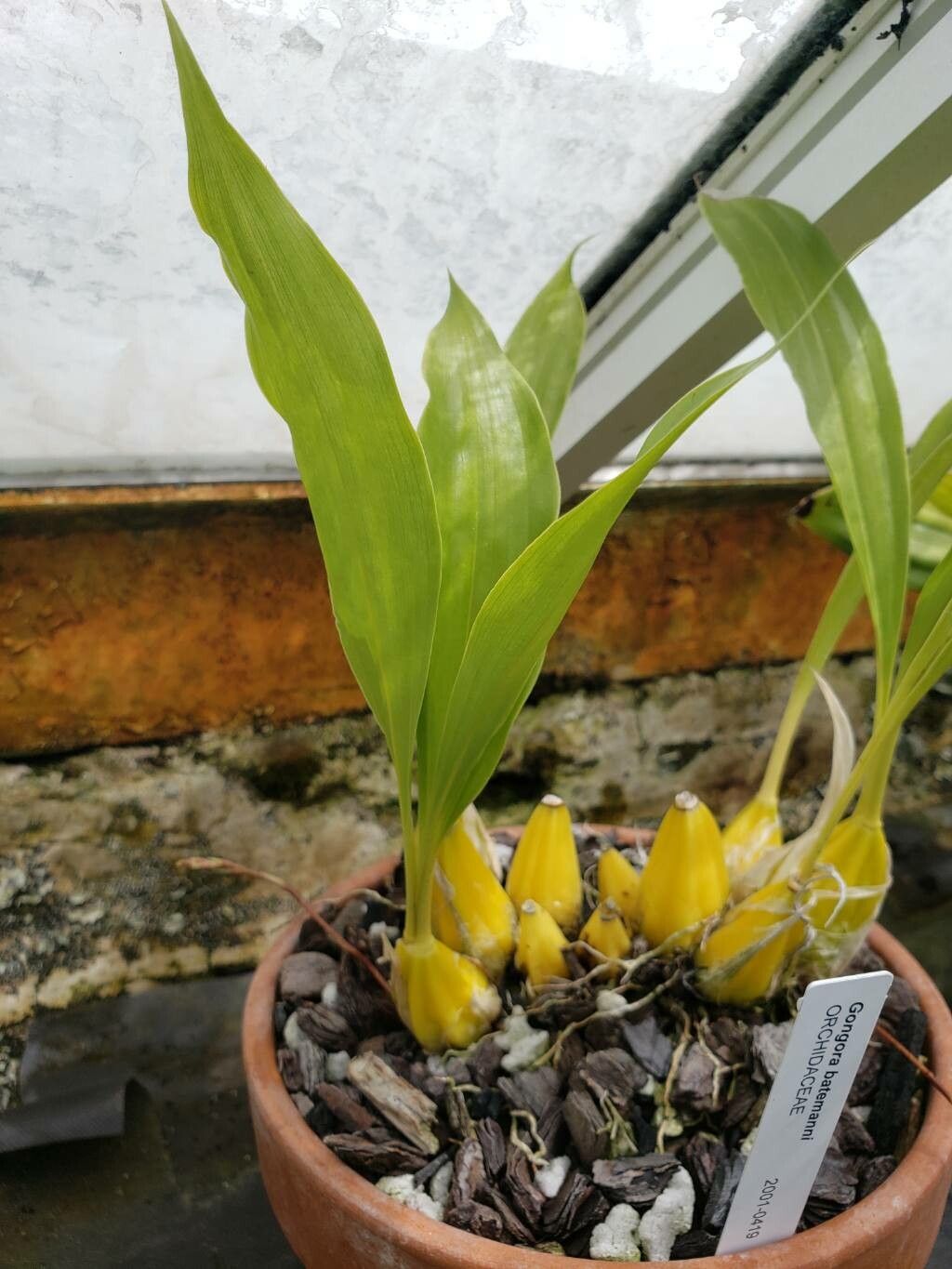
Hello, fellow plant lovers! If you’ve ever fallen head over heels for the captivating allure of a Gongora batemanni, you’re not alone. Those mesmerizing, pendulous blooms are truly a sight to behold. I’ve spent many happy hours admiring their intricate beauty, and the joy of coaxing new life from an existing plant is a reward that never gets old. Now, I have to be honest, Gongora batemanni can be a little fussy when it comes to propagation. It’s not the easiest orchid for a true beginner, but don’t let that deter you! With a bit of patience and these tips, I’m confident you can succeed.
The Best Time to Start
My personal favorite time to get started with Gongora batemanni is in the spring. This is when the plant is typically bursting with new growth after its dormancy period. You’ll see fresh pseudobulbs forming and lots of active energy. Trying to propagate when the plant is stressed or resting is a recipe for disappointment. Look for signs of vigorous growth before you snip!
Supplies You’ll Need
Here’s what I like to have on hand before I begin:
- Sharp, sterilized pruning shears or a clean knife: Essential for making clean cuts without introducing disease.
- Cinnamon powder or a fungicide: A natural antiseptic to prevent infection at the cut sites.
- Orchid bark mix (fine grade): Something airy and well-draining is crucial. I often add a little sphagnum moss to help retain some moisture.
- Small pots or trays: Clean, with good drainage holes, of course!
- Watering can with a fine rose: For gentle watering.
- Clear plastic bags or a humidity dome: To maintain a humid microclimate around your cuttings.
- Optional: Rooting hormone: While not always necessary for orchids, it can give your cuttings an extra boost.
Propagation Methods
For Gongora batemanni, I’ve found division to be the most reliable method. It’s a bit like giving your orchid a haircut and a new home!
Division:
- Gently remove the orchid from its pot. If it’s tightly rooted, you might need to carefully loosen the edges with your fingers or a blunt tool.
- Inspect the root system. Look for distinct sections, usually marked by the older pseudobulbs and their associated roots. You’re aiming to divide the plant into sections, each with at least two to three healthy pseudobulbs and a good mass of roots.
- Using your sterilized shears or knife, carefully cut between the sections. Take your time and try not to damage the roots unnecessarily.
- Dust the cut surfaces on both the mother plant and the divisions with cinnamon powder or a fungicide. This is a crucial step to prevent rot.
- Allow the cut surfaces to air dry for a few hours, or even overnight. This helps callous over the wound, further protecting it.
- Pot up your divisions. Use your well-draining orchid mix. I like to pot them so the new growth (the most recently formed pseudobulb) is facing outward from the center of the pot. Make sure the roots are nestled into the mix.
- Don’t water immediately. Wait a day or two before a very light watering. You want the disturbed roots to recover a bit.
The “Secret Sauce” (Pro Tips)
Here are a couple of things I’ve learned that make a big difference:
- My very first tip is about air circulation. Even though we’re trying to create humidity, stagnant air is a killer for new cuttings. Ensure there’s a gentle airflow around your pots – a small fan on a low setting in the room can work wonders. This helps prevent fungal issues.
- Secondly, don’t over-pot. It’s tempting to put a division into a large pot, but this can lead to the potting medium staying too wet for too long, encouraging rot. Start with a small pot that snugly fits the roots. You can always repot into a larger one once the plant is well-established.
Aftercare & Troubleshooting
Once your divisions are potted, give them a warm, bright location with consistent humidity. I usually pop mine into a small greenhouse or cover them with a clear plastic bag, making sure to open it for a few minutes each day to allow for some air exchange. Keep the potting mix lightly moist, but never soggy.
The most common problem you’ll encounter is rot. If you see pseudobulbs turning mushy and black, or the base of your new growth collapsing, it’s usually a sign of too much moisture and not enough airflow. Act quickly! You might need to repot into completely dry mix and let it air dry for longer.
A Little Patience Goes a Long Way
Propagating Gongora batemanni is a journey, not a race. It might take a few weeks, or even a couple of months, for you to see significant new root growth. Celebrate the small wins! Watch for new leaves and healthy roots peeking out. Don’t get discouraged if a cutting doesn’t make it; learn from it and try again. The satisfaction of seeing your efforts bloom into a new plant is absolutely worth it. Happy growing!
Resource: