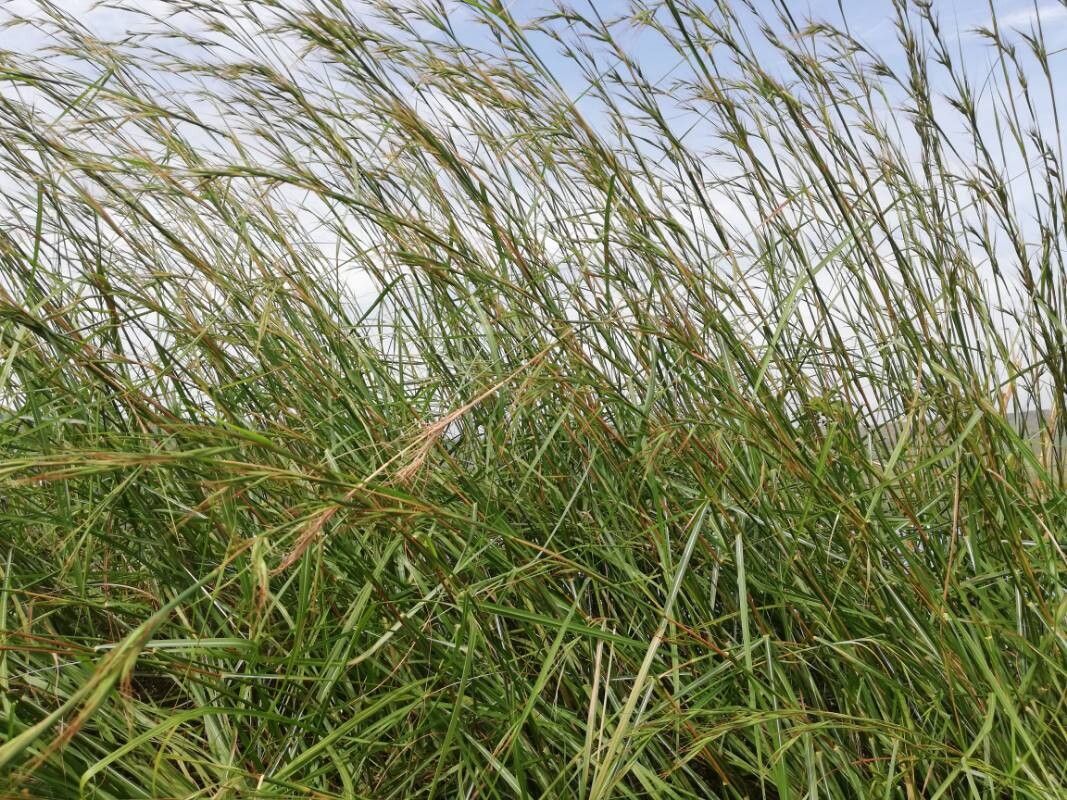
Hello there, fellow plant lovers! Today, we’re diving into the wonderful world of Hyparrhenia diplandra. You know, that gorgeous grass with its delicate, arching flower heads that bring such a wonderful texture and movement to the garden. It’s a plant that truly sings in the breeze, and I always find myself admiring its resilience and beauty. Propagating it is a fantastic way to share this joy with friends, fill in empty spots in your own landscape, or simply satisfy that gardener’s urge to create more life!
Now, if you’re new to the plant propagation scene, you might be wondering if Hyparrhenia diplandra is a good starting point. I’d say it’s moderately easy, especially if you’ve got a bit of patience. It’s not usually a plant that throws a fit when you try to multiply it. With a little know-how, you’ll be well on your way to success!
The Best Time to Start
For the highest chance of success with Hyparrhenia diplandra, I always recommend early spring, right as the plant is waking up from its winter rest. You want to catch it when it’s full of vigor and ready to grow. You can also have success with late spring or even early summer cuttings if the weather is warm and sunny, but spring just has that extra ‘oomph’. If you’re looking at division, then fall is also a great time, after the heat of summer has passed but before the really hard frosts set in.
Supplies You’ll Need
Gathering your supplies beforehand makes the whole process much smoother. Here’s what I usually have on hand:
- Sharp pruning shears or a clean knife: For making clean cuts.
- Well-draining potting mix: I like to use a mix of peat moss, perlite, and a bit of compost.
- Small pots or trays: Whatever suits the size of your cuttings.
- Rooting hormone (optional but recommended): This little helper can give your cuttings a boost.
- Hyparrhenia diplandra parent plant (healthy and vigorous, of course!)
- Watering can or spray bottle: For gentle watering.
- Labels and a marker: To keep track of what you’ve planted where.
- Clear plastic bag or propagation dome: To create a humid environment.
Propagation Methods
Hyparrhenia diplandra is most commonly and successfully propagated by division. It forms dense clumps and is quite forgiving when it comes to being split up.
Division:
- Digging it up: In early spring or fall, carefully dig around the base of your Hyparrhenia diplandra clump with your spade, loosening the soil. Gently lift the entire plant from the ground.
- Dividing the clump: If the clump is small, you might be able to pull it apart with your hands. For larger, tougher clumps, use your sharp trowel or spade to slice through the root ball, dividing it into smaller sections. Aim for divisions that have at least a few healthy shoots and a good amount of root.
- Replanting: Immediately replant the divisions into their new locations in the garden or into pots filled with your well-draining potting mix. Make sure the base of the plant is at soil level.
- Watering: Water thoroughly after replanting to help settle the soil and reduce transplant shock.
While division is my go-to, you can sometimes get away with propagating from stem cuttings, though it’s a bit trickier.
Stem Cuttings (if you want to try):
- Taking cuttings: In spring or early summer, look for healthy, non-flowering stems. Using your sharp shears or knife, take cuttings that are about 4-6 inches long. Make a clean cut just below a leaf node.
- Preparing the cuttings: Gently remove the lower leaves from the cutting, leaving only a few at the top. This prevents them from rotting in the soil. If you’re using rooting hormone, dip the cut end into the powder, tapping off any excess.
- Planting: Fill small pots with your well-draining mix. Make a small hole in the soil with your finger or a pencil and gently insert the cutting, ensuring the leaf nodes are below the soil surface.
- Creating humidity: Water gently. Then, place the pot inside a clear plastic bag or cover it with a propagation dome. This is crucial for maintaining humidity around the cuttings.
- Placement: Place the pot in a bright spot, but out of direct, harsh sunlight.
The “Secret Sauce” (Pro Tips)
- Don’t overcrowd divisions: When you divide, give each new clump enough space to grow. Overcrowding can lead to weaker plants and increase the risk of root rot.
- Bottom heat for cuttings (if you go that route): If you’re attempting stem cuttings and find they’re being stubborn, consider using a heat mat under the pots. This gentle warmth from below can significantly encourage root development.
- Know your soil: For both divisions and cuttings, a well-aerated, free-draining soil is your best friend. Compacted or waterlogged soil is the quickest way to invite fungal diseases.
Aftercare & Troubleshooting
Once your divisions are planted or your cuttings show signs of rooting (you’ll see new growth!):
- Watering: Water regularly, especially during dry spells, but allow the soil to dry out slightly between waterings. The goal is consistently moist, not soggy, soil.
- Sunlight: Once established, Hyparrhenia diplandra loves sun, so place it in an appropriate spot.
- Fertilizer: I usually don’t fertilize heavily in the first year. A light feeding in spring with a balanced, slow-release fertilizer is generally sufficient.
The most common issue you’ll encounter is rot. If your cuttings start to look mushy or darken at the base, it’s usually a sign of too much moisture and not enough air circulation. If you’re dividing and a section seems waterlogged or diseased, it’s best to discard it to prevent any issues from spreading.
A Encouraging Closing
Watching a new plant grow from a division or a tiny cutting is one of the most satisfying parts of gardening. Be patient with your new Hyparrhenia diplandra. Some might take a little longer to establish than others, and that’s perfectly okay. Just keep providing them with good care, and soon you’ll have more of that delightful grassy beauty to enjoy. Happy propagating, everyone!
Resource:
https://identify.plantnet.org/k-world-flora/species/Hyparrhenia%20diplandra%20(Hack.)%20Stapf/data