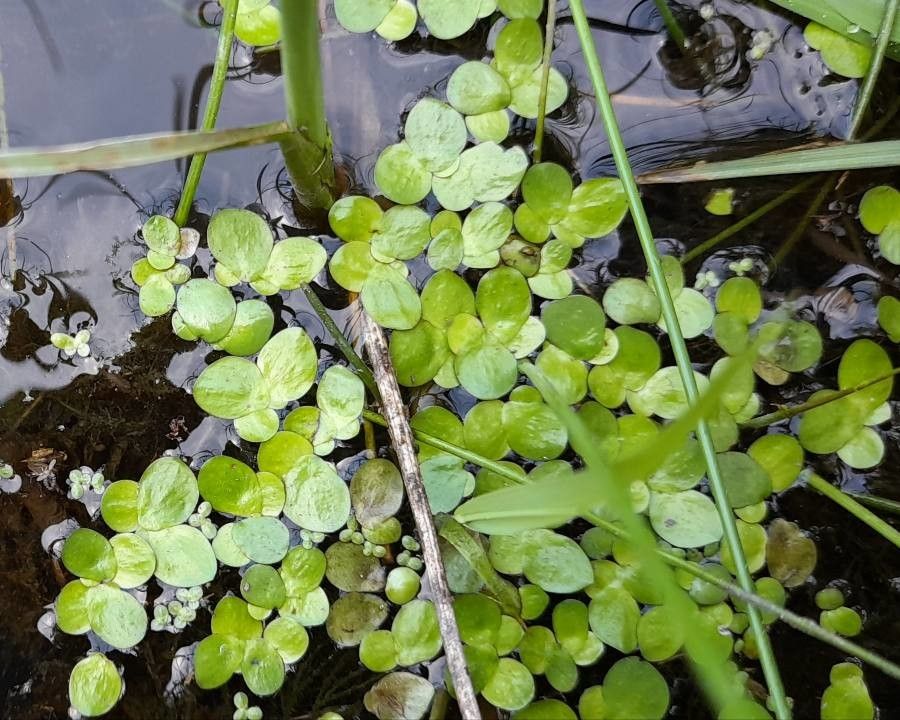
Hello green thumbs! It’s so lovely to have you here. Today, we’re diving into the wonderful world of Spirodela punctata, also often called the tiny duckweed or small duckweed. If you’re looking for a plant that practically doubles itself overnight and adds a charming, lush green carpet to your water features or even a lucky indoor vase, this is your gal. Propagating Spirodela punctata isn’t just rewarding; it’s downright delightful. And the best part? It’s fantastically easy for beginners. Seriously, you can’t mess this up if you try.
The Best Time to Start
The beauty of Spirodela punctata is that it’s pretty forgiving. However, for the absolute best results and the quickest multiplication, spring and summer are your golden ticket. When the days are longer and warmer, this little wonder is at its most vigorous. I find if I start a new batch in early spring, I have enough to share by mid-summer!
Supplies You’ll Need
Gathering your tools is part of the fun, right? For Spirodela punctata, you won’t need much, which is why it’s such a joy to propagate.
- A small container for starting (a clean jar, a shallow dish, or even a spare plant pot will do).
- Water – tap water is usually fine, but if yours is heavily chlorinated, letting it sit out for 24 hours can be a good idea.
- A small amount of nutrient solution (optional, but can boost growth in still water setups). A weak liquid fertilizer designed for aquatic plants or even a tiny drop of general-purpose liquid fertilizer in a large volume of water can work.
- A small net or strainer for harvesting.
Propagation Methods
Honestly, with Spirodela punctata, the primary method is so simple it’s barely a method. It basically propagates itself!
Method: Natural Multiplication (Self-Propagation)
- Harvesting the Mother Plant: Gently scoop out a small portion of your existing Spirodela punctata using your net or strainer. Don’t be shy; you want to leave plenty behind!
- Transplanting: Place your harvested portion into your clean container, dish, or even directly into your established water feature.
- Add Water: Ensure the container is filled with fresh water. For a dedicated propagation container, you don’t need to fill it to the brim; just enough to keep the little fronds floating happily.
- Observe: That’s it! Within days, you’ll see new plantlets forming and attaching themselves to the existing ones. They just keep dividing and multiplying.
If you are starting from a very, very small sample or want to give them a little boost, you can also try a variation:
Method: Water Propagation (for Tiny Samples)
- Prepare Your Container: Use a clean, clear glass jar or vase.
- Add Water: Fill the container partially with water.
- Introduce the Plantlets: Carefully place a few Spirodela punctata fronds into the water.
- Placement: Find a bright spot, but avoid direct, scorching sunlight.
- Watch them Grow: Within a week, you should see a noticeable increase in the number of fronds.
The “Secret Sauce” (Pro Tips)
After years of coaxing plants to grow, I’ve picked up a few little tricks. Here are a couple that really help with Spirodela punctata:
- Don’t overcrowd initially. While they multiply, giving a new batch a little breathing room at the start can prevent them from becoming too dense too quickly, which can sometimes lead to poor air circulation and potential issues.
- Change the water periodically. Even though they’re aquatic, stagnant water isn’t ideal for long-term, healthy growth. For dedicated propagation containers, a partial water change every week or so keeps things fresh. Just scoop out about half the old water and gently replace it with fresh.
Aftercare & Troubleshooting
Once your Spirodela punctata starts to really take off, you’ll have plenty to play with. Continue to add them to your desired location.
The most common “trouble” you might encounter is the plant not multiplying as expected. This usually comes down to light levels or water quality. If they’re not growing, try moving them to a brighter spot. If they start looking a bit sad or slimy, a water change is your best friend.
The flip side of this is too much of a good thing! Spirodela punctata can reproduce very quickly. If you’re growing them in an open pond or water feature, you might find yourself needing to thin them out occasionally to prevent them from completely covering the surface and blocking light for submerged plants or reducing oxygen exchange. Just scoop out the excess and compost them or add them to your neighbor’s water feature as a surprise gift!
A Encouraging Closing
Propagating Spirodela punctata is like watching a tiny green miracle unfold. It’s a simple, satisfying way to bring more life into your aquatic displays or even just a sunny windowsill. Be patient, enjoy the process, and marvel at nature’s efficiency. Happy growing, everyone!
Resource: