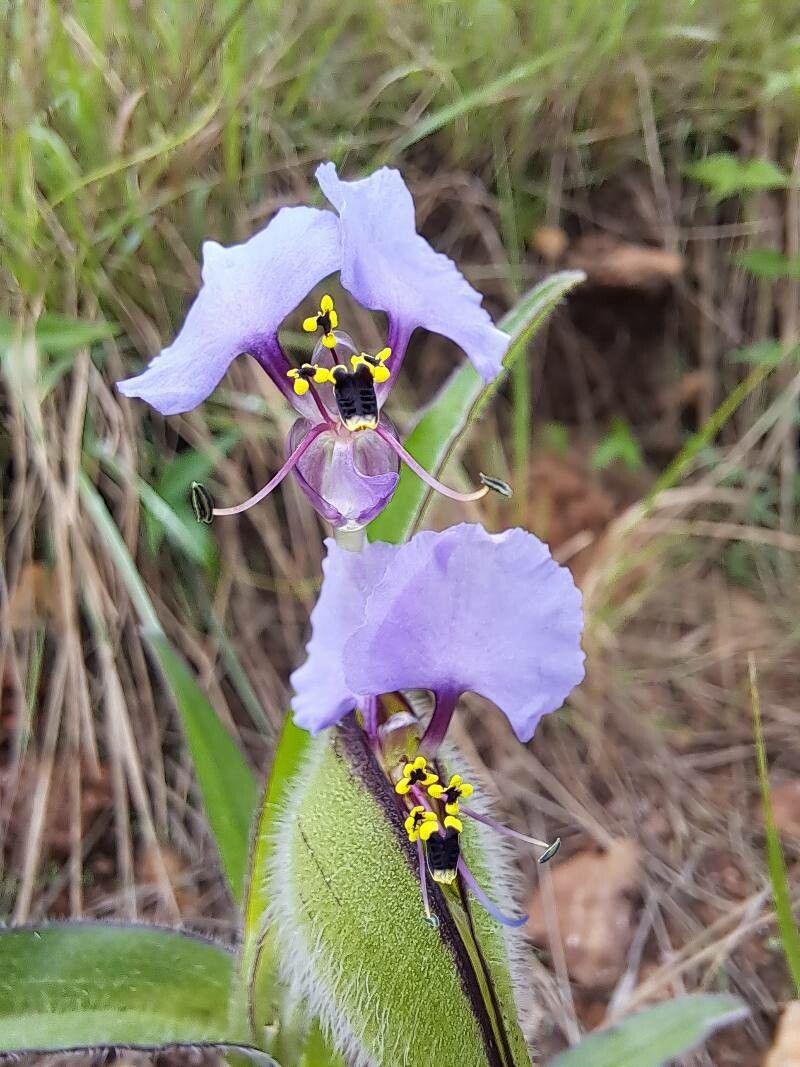
Hello there, fellow garden enthusiasts! It’s so lovely to have you join me today. If you’ve ever swooned over the mesmerizing blue, almost iridescent flowers of Commelina neurophylla, or “Spiderwort” as it’s often affectionately called, then you’re in for a treat! This plant is an absolute joy to have in the garden, unfurling its delicate blooms like tiny pieces of captured sky. And the best part? It’s surprisingly simple to multiply. If you’re new to the world of plant propagation, I’ve got good news: Commelina neurophylla is a fantastic plant to start with. It’s quite forgiving, which makes the whole process feel less like a chore and more like a delightful horticultural adventure.
The Best Time to Start
For the highest success rate when propagating Commelina neurophylla, I always reach for my pruning shears in the late spring or early summer. This is when the plant is in its most vigorous growth phase, post-flowering and really building energy. The warmer temperatures and longer daylight hours create the perfect environment for cuttings to establish their roots quickly. Think of it as catching the plant at its peak – full of life and ready to share!
Supplies You’ll Need
Gathering your tools before you begin makes everything run so much smoother. Here’s what I always have on hand:
- Sharp Pruning Shears or Scissors: Clean cuts are crucial. Make sure they’re disinfected if you’ve used them on other plants.
- Small Pots or Containers: Anything from old yogurt cups with drainage holes to cute little terracotta pots will work.
- Well-Draining Potting Mix: I often use a blend of standard potting soil mixed with perlite or vermiculite for extra aeration. A succulent or cactus mix is also a great option.
- Rooting Hormone (Optional but Recommended): This isn’t strictly necessary for Spiderwort, but it can give your cuttings a little extra boost.
- Watering Can with a Fine Rose or Spray Bottle: Gentle watering is key to avoid disturbing delicate roots.
- Plastic Bag or Dome (Optional): This helps to create a mini-greenhouse effect for your cuttings.
Propagation Methods
Commelina neurophylla is a champion grower, and thankfully, it’s quite amenable to a few different propagation techniques. My absolute favorite is stem cuttings.
Stem Cuttings: My Go-To Method
- Select Healthy Stems: Look for vibrant, disease-free stems that are at least 4-6 inches long. Avoid any old, woody growth.
- Make the Cut: Using your clean shears, make a clean cut just below a leaf node. A leaf node is that slightly swollen bit where a leaf joins the stem – that’s where the magic of root development happens!
- Prepare Your Cuttings: Gently remove the lower leaves from the stem, leaving just a few at the very top. This prevents the submerged leaves from rotting in the soil or water.
- Apply Rooting Hormone (If Using): Dip the cut end of the stem into your rooting hormone, tapping off any excess.
- Plant Your Cuttings: Fill your small pots with your prepared potting mix. Make a small hole with your finger or a pencil, and gently insert the cut end of the stem. Firm the soil gently around it.
- Water Gently: Water the soil thoroughly but gently. You want it moist, not soggy.
Water Propagation: A Visual Treat
If you enjoy watching the root development, water propagation is wonderful. The steps are very similar to stem cuttings, but instead of planting directly into soil:
- Follow steps 1-3 for stem cuttings above.
- Place the cuttings in a jar or glass of clean water.
- Ensure the leaf nodes are submerged, but none of the leaves are touching the water. This is crucial to prevent rot.
- Place the jar in a bright spot, but out of direct sunlight.
- Change the water every few days to keep it fresh. You should see roots emerge within a couple of weeks.
Once you have a decent root system (about an inch or so long), you can then transplant your water-rooted cuttings into pots with soil, just as you would with stem cuttings.
The “Secret Sauce” (Pro Tips)
Here are a couple of little tricks I’ve learned over the years that really give your Commelina neurophylla propagation a leg up:
- Bottom Heat is Your Friend: While not absolutely essential for this particular plant, placing your pots in a warm spot, perhaps on a heat mat designed for seedlings, can significantly speed up root formation. Think of it as giving your cuttings a cozy, warm hug!
- The Humidity Tent is Key: If you’re in a drier climate or your home tends to be a bit arid, covering your potted cuttings with a clear plastic bag or a propagtor dome creates a humid microclimate. Just make sure to unscrew the bag slightly or vent the dome daily to allow for fresh air circulation and prevent fungal issues.
Aftercare & Troubleshooting
Once your cuttings have developed a good root system – you’ll know this when you see new leaf growth or feel gentle resistance when you lightly tug on the stem – it’s time to treat them like established plants! Continue to water them consistently, keeping the soil evenly moist but not waterlogged.
The most common pitfall you’ll encounter is root rot. This usually happens from overwatering or poor drainage. If you see your cutting turning yellow and mushy, or if there’s a foul smell coming from the pot, it’s likely rot. Unfortunately, a rotted cutting is usually beyond saving. The best prevention is always good drainage and careful watering. Don’t be discouraged if you lose one or two; it’s all part of the learning curve!
Happy Gardening!
See? It’s really quite straightforward! Propagating Commelina neurophylla is a wonderful way to fill your garden or share beautiful plants with friends. Be patient with your new green babies, observe them closely, and enjoy the incredible feeling of watching them grow and flourish. Happy propagating, and may your garden be ever so blue!
Resource:
https://identify.plantnet.org/k-world-flora/species/Commelina%20neurophylla%20C.B.Clarke/data