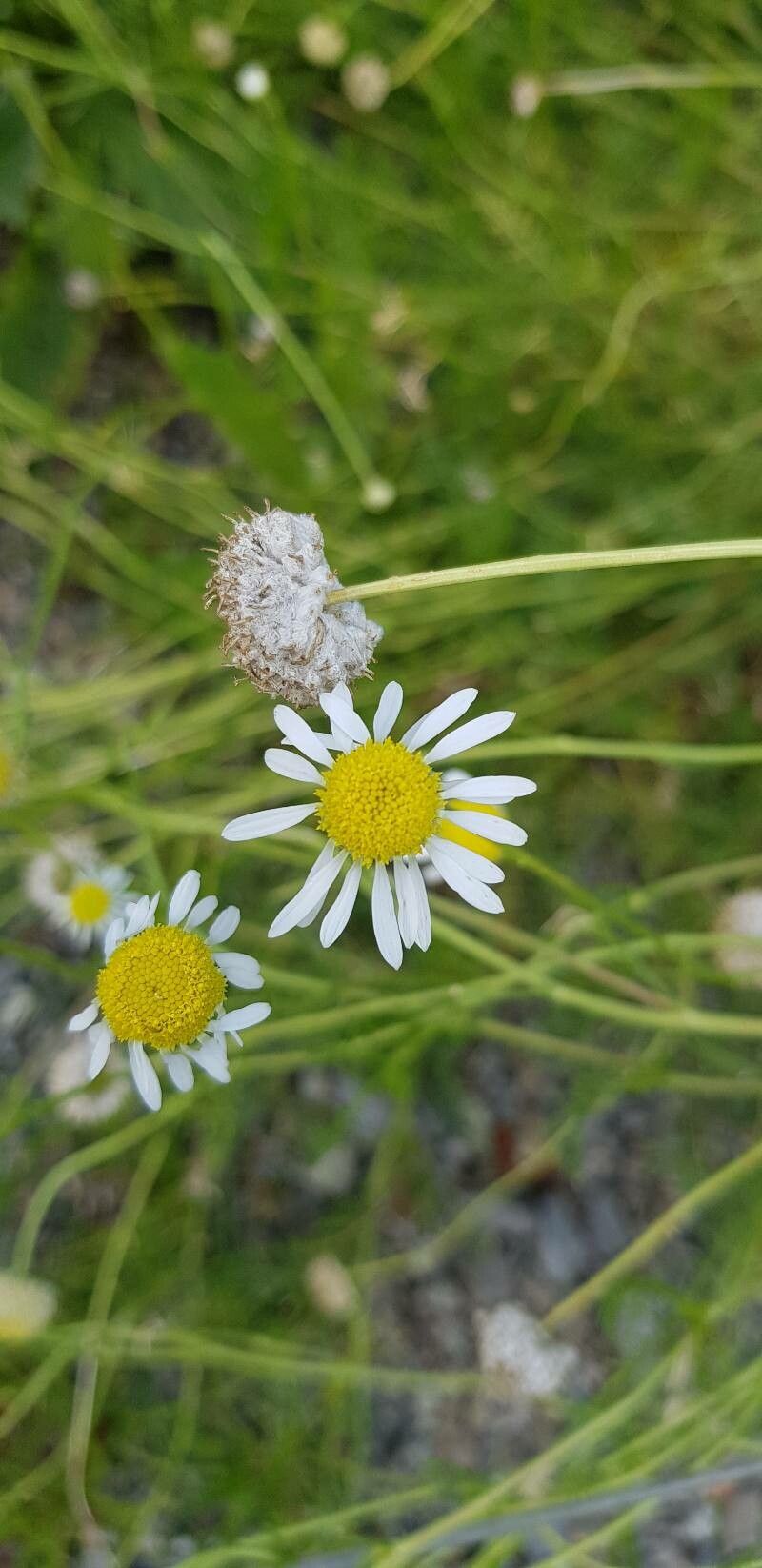
Well hello there, fellow garden enthusiasts! Today, I want to chat about a plant that’s truly captured my heart over the years: Lasiospermum bipinnatum, also known as the Daisy Bush. If you love plants with delicate, feathery foliage and a profusion of charming white daisy-like flowers, this one is a real gem. Plus, growing your own from cuttings or divisions is incredibly satisfying. For beginners, I’d say it’s moderately easy. With a little patience and the right approach, you’ll be well on your way to success.
The Best Time to Start
My absolute favorite time to get started with propagating Lasiospermum bipinnatum is in the late spring or early summer. This is when the plant is actively growing, producing plenty of new, healthy stems that are perfect for taking cuttings. You can also get away with it in early autumn, but the spring window generally offers the best vigor and highest success rates. You want to be working with material that’s not too woody but not overly soft and leggy either.
Supplies You’ll Need
Before we dive into the fun part, let’s gather our tools. Having everything at the ready makes the process so much smoother, I find.
- Sharp, clean pruning shears or a sharp knife: Essential for making clean cuts.
- Propagation pots or small containers: About 4-6 inches deep is good. Make sure they have drainage holes!
- A good quality potting mix: I like to use a well-draining mix, often a blend of potting soil with perlite or sharp sand. Some gardeners swear by a specific seedling mix, which works wonderfully too.
- Rooting hormone (optional but recommended): This isn’t strictly necessary for Lasiospermum, but it can give your cuttings a helpful boost.
- A plastic bag or propagation dome: To create a humid environment for your cuttings.
- Water: For watering your cuttings and misting.
- A small trowel or dibber: To make holes for your cuttings.
Propagation Methods
Let’s get our hands dirty! Here are the two main ways I like to propagate Lasiospermum bipinnatum, and honestly, both are pretty straightforward.
Stem Cuttings
This is my go-to method for this lovely plant.
- Take your cuttings: Using your clean pruners, select healthy, non-flowering stems from your established plant. Aim for pieces about 4-6 inches long. Make your cut just below a leaf node (where a leaf attaches to the stem). It’s best to remove any lower leaves that might rot if they’re buried in the soil.
- Prepare the cuttings: If you’re using rooting hormone, dip the cut end of each stem into it. Gently tap off any excess. You can also try this without hormone, but it might take a little longer to root.
- Plant your cuttings: Fill your pots with your prepared potting mix. Moisten the soil thoroughly but make sure it’s not waterlogged. Use your dibber or a pencil to create small holes in the soil. Carefully insert the cuttings into the holes, making sure at least one leaf node is buried. Gently firm the soil around the base of each cutting.
- Create a humid environment: Water your newly planted cuttings gently. Then, cover the pots with a clear plastic bag, securing it around the rim with a rubber band or placing the pots inside a propagation dome. This traps humidity, which is crucial for preventing the cuttings from drying out before they can develop roots.
Division
If your Lasiospermum bush is getting a bit large, dividing it is a fantastic way to get new plants and refresh the parent plant.
- Prepare the plant: It’s best to do this in spring. Water your plant well a day or two before you plan to divide it. This helps the root ball stay intact.
- Remove from pot (if applicable) or dig up: Carefully lift the plant from its pot or dig around the root ball.
- Separate the roots: You can often gently tease apart the root ball with your hands. If it’s really dense, a sharp knife or even two garden forks inserted back-to-back can help you divide it into smaller sections. Ensure each section has a good amount of roots and some leafy growth.
- Replant: Pot up your divisions into new containers with fresh, well-draining soil, or replant them directly into the garden. Water them in well.
The “Secret Sauce” (Pro Tips)
Here are a few little tricks I’ve learned over the years that can really make a difference:
- Think “bottom heat”: Lasiospermum cuttings really love a bit of warmth from below. Placing your pots on a heat mat designed for propagation can significantly speed up root development. It mimics the warmth of spring soil and gives those roots a real incentive to grow.
- Don’t crowd them: While it’s tempting to pack those pots full, give your cuttings a little space. Good air circulation around the stems helps prevent fungal issues. This also makes it easier to remove them later if you need to.
- Mist, mist, mist! Especially if you don’t have a dome or the bag isn’t a perfect seal, give your cuttings a light misting of water every day or two. This keeps the leaves turgid and happy while they focus on growing roots.
Aftercare & Troubleshooting
Once you start seeing signs of new growth – little leaves unfurling or a gentle tug on the stem meeting resistance – you know your cuttings are rooting!
- Acclimatize slowly: Once roots have formed, gradually introduce your new plants to drier air. Start by opening the plastic bag for a few hours each day, eventually removing it altogether over a week or so.
- Watering: Keep them consistently moist but not soggy. Let the top inch of soil dry out between waterings. As they grow larger, you can treat them like a mature plant.
- Signs of failure: The most common issue is that the cuttings simply wilt and die. This is usually due to drying out. Another problem is rot, which often happens if the cuttings are kept too wet or don’t have good air circulation. If you see mushy, black stems, it’s likely rot. Unfortunately, there’s not much to do once that sets in, so prevention is key!
A Little Encouragement
Propagating plants is a wonderful way to connect with nature and expand your garden for free! Don’t be discouraged if your first attempt isn’t perfect. Every gardener has had a few cuttings that just didn’t make it. Be patient, observe your plants, and enjoy the journey. Soon you’ll have a whole collection of beautiful Lasiospermum bipinnatum to share or simply enjoy yourself. Happy gardening!
Resource:
https://identify.plantnet.org/k-world-flora/species/Lasiospermum%20bipinnatum%20Druce/data