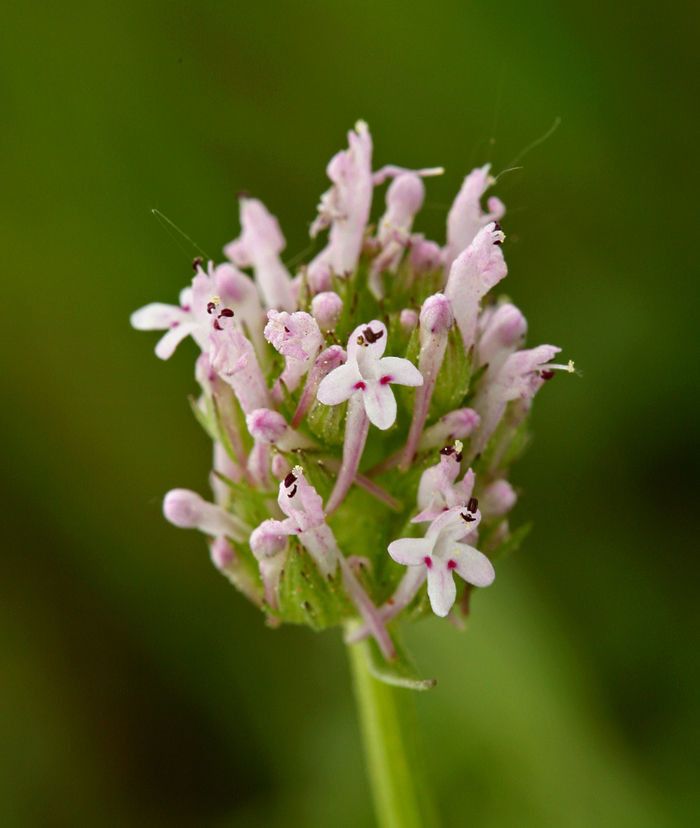
Hello there, fellow plant enthusiasts! Today, we’re diving into the wonderfully rewarding world of propagating Valeriana ciliosa. If you’re drawn to its delicate, airy blooms and the gentle, calming presence it brings to the garden, you’re in for a treat. Getting more of these beauties to call your own is a fantastic way to fill your space or share with friends. Now, for our beginners out there, I’d say Valeriana ciliosa is a moderately easy plant to propagate. It requires a little attention to detail, but nothing too daunting for those of us with a bit of curiosity and a willingness to get our hands a little dirty.
The Best Time to Start
For the highest success rate with Valeriana ciliosa, late spring to early summer is your golden window. This is when the plant is actively growing and has plenty of energy to put into forming new roots. Waiting until after it has finished its primary bloom cycle is also a good bet. You want to work with healthy, vigorous material, so avoid trying to propagate when the plant is stressed by heat or drought.
Supplies You’ll Need
Before we get our hands dirty, let’s gather our tools:
- Sharp pruning shears or a clean, sharp knife: For making precise cuts.
- Rooting hormone (optional but recommended): This gives your cuttings a helpful boost.
- Small pots or seed trays: With drainage holes, of course!
- A well-draining potting mix: A good blend would be equal parts peat moss or coco coir, perlite, and compost.
- Spray bottle: For keeping things lightly moist.
- A clear plastic bag or propagation dome: To create a humid environment.
- Labels and a marker: To keep track of your efforts!
Propagation Methods
The most reliable way to get more Valeriana ciliosa is through stem cuttings and division.
Stem Cuttings
This is my go-to method for increasing my collection.
- Take your cuttings: Look for healthy, non-flowering stems. Using your sharp shears, make a clean cut just below a leaf node (where a leaf attaches to the stem). Aim for cuttings that are about 4-6 inches long. Remove the lower leaves, leaving just a couple at the very top. This prevents them from rotting in the moist environment.
- Prepare the cutting: If you’re using rooting hormone, dip the cut end of the stem into it. There’s no need to soak it; just a quick dip to coat the end.
- Plant your cuttings: Fill your pots or trays with your prepared potting mix. Make a small hole with your finger or a pencil, and gently insert the cutting so that at least one leaf node is buried in the soil. Firm the soil gently around the stem.
- Create humidity: Water the soil lightly until it’s just moist. Then, cover the pots with a clear plastic bag or propagation dome. This will trap moisture and create a humid environment, which is crucial for root development.
Division
If you have a mature plant, division is a wonderfully simple way to get new plants.
- Lift the plant: In early spring or fall, carefully dig up your Valeriana ciliosa plant.
- Separate the root ball: Gently pull or use a clean trowel to divide the root ball into sections. Each section should have plenty of healthy roots and at least a few shoots or stems.
- Replant: Immediately replant the divisions into their new locations or into pots filled with your well-draining potting mix. Water them in thoroughly.
The “Secret Sauce” (Pro Tips)
Here are a few little things I’ve learned over the years that really make a difference:
- Bottom heat is your friend! If you’re using stem cuttings, placing your pots on a seedling heat mat can significantly speed up root formation. It mimics the warmth of the soil surface in spring and tells those cuttings it’s time to get growing.
- Don’t drown them! When misting your cuttings, the goal is light moisture, not sogginess. Overwatering is the quickest way to invite fungal diseases and rot, which none of us want. A gentle misting every day or two, depending on your climate, is usually sufficient.
- Patience is more than a virtue; it’s a technique. Resist the urge to constantly tug at your cuttings to check for roots. Let them be! It often takes 4-6 weeks for roots to develop sufficiently. You’ll know they’re ready when you see new growth emerging.
Aftercare & Troubleshooting
Once your cuttings have developed a good root system (you might see roots peeking out of the drainage holes or feel gentle resistance when you lightly tug), it’s time for them to grow!
- Acclimate carefully: Gradually remove the plastic bag for increasing periods over a week or so to allow your new plants to adjust to normal humidity.
- Water as needed: Keep the soil consistently moist but not waterlogged. As they establish, you can begin watering them as you would a mature Valeriana.
- Watch for rot: The most common sign of failure is a soft, mushy stem or leaves turning yellow and wilting without any apparent cause. This is usually a sign of overwatering or poor air circulation. If you see this, try to increase airflow and let the soil dry out slightly between waterings.
- Pests are rare, but keep an eye out. If you spot any unwelcome guests, deal with them promptly with gentle, plant-safe methods.
A Little Something Extra
Plant propagation is a journey, and each success is a small victory. Don’t be discouraged if a few cuttings don’t make it. That’s perfectly normal! Just keep experimenting, observe your plants, and celebrate your growing collection. Happy gardening, and enjoy the magic of bringing new life into your garden!
Resource: