Hello fellow garden enthusiasts!
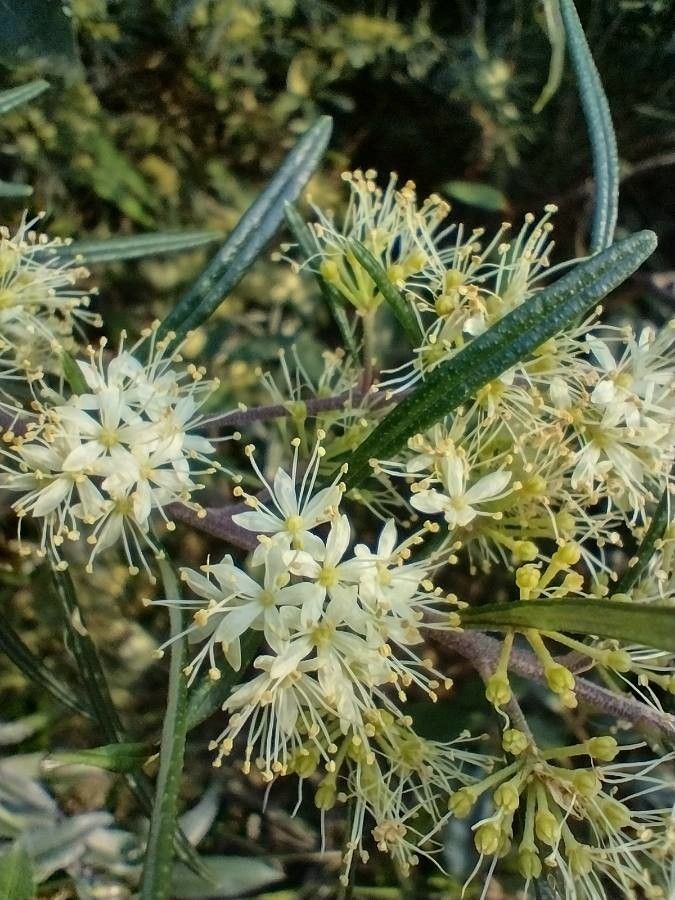
Today, we’re diving into the delightful world of Leionema dentatum, also known as the Fringed Phebalium. If you’re like me, you’ve probably admired its delicate, star-shaped flowers and lovely, leathery foliage. It’s a real gem in the garden, and the good news is, it’s not as tricky to multiply as you might think! Propagating this beauty is a wonderfully rewarding experience, giving you more of these gorgeous plants to share or enjoy. While not a complete walk in the park for absolute beginners, with a little care and attention, you’ll be well on your way.
The Best Time to Start
For the highest success rate with Leionema dentatum, I always aim to take cuttings in late spring to early summer. This is when the plant is actively growing, and the new shoots have usually “hardened off” a bit – meaning they’re not too soft and floppy, but still have plenty of life in them to root.
Supplies You’ll Need
Before we get our hands dirty, let’s gather our tools:
- Sharp, clean pruning shears or a sharp knife: For making clean cuts.
- Rooting hormone powder or gel: This really gives cuttings a helpful boost.
- Potting mix: A well-draining mix is crucial. I like a blend of equal parts peat moss or coco coir and perlite or coarse sand.
- Small pots or trays: Clean ones, of course!
- Plastic bags or a propagation dome: To create a humid environment.
- Labels: To keep track of what you’ve planted.
- Optional: A heat mat: This can speed up rooting considerably.
Propagation Methods
While Leionema dentatum can be grown from seed, I find stem cuttings offer the most reliable and quickest route to new plants.
-
Take Your Cuttings: On a pleasant morning, select a healthy stem that has finished flowering or has new, semi-hardened growth. Make a clean cut just below a leaf node (where a leaf joins the stem). You’re looking for cuttings that are about 4-6 inches long.
-
Prepare the Cuttings: Gently remove the lower leaves. This prevents them from rotting when buried in the soil. If the cutting has any flower buds, pinch them off – we want all the energy to go into root development.
-
Apply Rooting Hormone: Dip the cut end of the stem into your rooting hormone, tapping off any excess. This stuff really acts like a helpful nudge for the plant to start forming roots.
-
Plant Your Cuttings: Fill your small pots with your well-draining potting mix. Make a pilot hole with a pencil or your finger, and then insert the bottom half of your cutting into the soil, ensuring the leaf nodes (where you removed the leaves) are below the soil line. Gently firm the soil around the base of the cutting.
-
Create Humidity: Water the soil lightly. Then, cover each pot with a clear plastic bag, making sure the bag doesn’t touch the leaves. You can prop it up with a few small stakes if needed. Alternatively, use a propagation dome. This trapped moisture is vital for the cuttings.
-
Find a Good Spot: Place your pots in a bright location but out of direct sunlight. A little bit of bottom heat from a heat mat can work wonders and significantly speed up the rooting process.
The “Secret Sauce” (Pro Tips)
Here are a few little tricks I’ve picked up over the years that make a big difference:
- Don’t Drench the Soil Initially: While humidity is key, you don’t want a soggy mess. Water until the soil is consistent, then let it just about dry out between waterings. Overwatering is a fast track to rot.
- Air Circulation is Your Friend: Even though we’re creating a humid environment, it’s a good idea to open the plastic bag or dome for a few minutes each day to allow for some air exchange. This helps prevent fungal issues.
- Be Patient with Leaf Nodes: Those tiny bumps where leaves were attached are where the magic happens. Ensure at least one or two of these are submerged in the soil when you plant.
Aftercare & Troubleshooting
Once your cuttings have started to root – you’ll know when you see new growth or feel a gentle tug when you lightly pull them – it’s time for a little more attention. Gradually remove the plastic bag or dome over a week or two to help them acclimatize to normal humidity. Water them consistently but avoid waterlogging the roots.
The most common sign of trouble is rot. If you see your cuttings turning black and mushy, it’s usually from too much moisture or lack of air circulation. Unfortunately, once rot sets in, it’s very difficult to save them. If a cutting looks wilted and sad, first check your watering – it might be too dry, or conversely, too wet.
A Encouraging Closing
Propagating plants is a journey of learning and observation. Don’t be discouraged if not every cutting makes it. Each attempt teaches you something new. Be patient, enjoy the process of nurturing these tiny bits of life, and soon you’ll have a whole new batch of Leionema dentatum to admire! Happy gardening!
Resource: