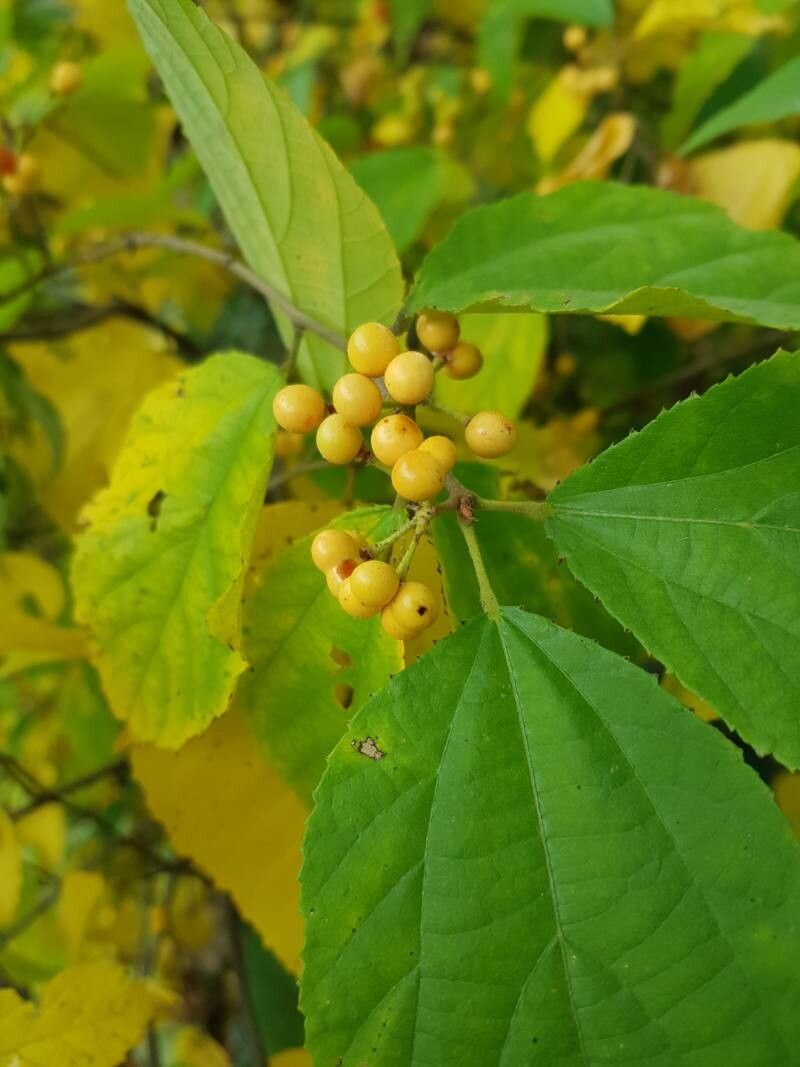
Oh, the joys of Grewia biloba! If you’ve ever admired this lovely shrub, with its delicate flowers and graceful form, you’re not alone. I’ve spent a good chunk of my gardening life enthralled by its charm. And the best part? You can bring more of that beauty into your own space by propagating it! It’s a deeply satisfying experience, like nurturing a little piece of magic from a parent plant. For beginners, I’d say Grewia biloba is moderately easy to propagate. It’ll ask for a little attention, but with the right approach, you’ll be rewarded with success.
The Best Time to Start
My go-to time for propagating Grewia biloba is late spring to early summer. This is when the plant is actively growing, meaning it has plenty of energy to put into forming new roots. You’re looking for new, soft shoots that are starting to mature a bit – they’re not overly woody yet, but they’re not just flimsy leaf stalks either. Think of them as teenage cuttings, full of potential!
Supplies You’ll Need
Before we get our hands dirty, let’s gather our tools. Having everything ready will make the process so much smoother.
- Sharp pruning shears or a clean knife: For making clean cuts.
- Rooting hormone: This is optional but seriously helpful, especially for us impatient gardeners.
- Small pots or seedling trays: Drainage holes are a must!
- A good potting mix: I prefer a mix that’s light and airy. A blend of peat moss, perlite, and a little compost works wonders. Or, you can use a seed-starting mix for an even lighter option.
- A clear plastic bag or propagation dome: To create a humid environment.
- Watering can or spray bottle: For gentle watering.
- Labels: To remember which plant is which!
Propagation Methods
Let’s dive into the hands-on part! Stem cuttings are my favorite and most reliable method for Grewia.
Stem Cuttings
- Take the Cuttings: On a mild day, select healthy, non-flowering shoots from your Grewia biloba. Using your sharp pruning shears, cut lengths of about 4-6 inches. Make your cut just below a leaf node (where a leaf attaches to the stem). This is where the magic of root formation often begins.
- Prepare the Cuttings: Gently remove the lower leaves, leaving just one or two sets at the very top. This prevents them from rotting in the damp soil. If you’re using rooting hormone, this is the time to dip the cut end into it (follow the product instructions!).
- Plant the Cuttings: Fill your small pots with your prepared potting mix. Make a pilot hole with a pencil or your finger, deep enough for the cutting to go in. Gently insert the cutting into the hole, ensuring the leafless part is below the soil surface. Firm the soil gently around the base.
- Water and Cover: Water the soil lightly. You want it moist, not soaking wet. Then, cover the pot with a clear plastic bag or place it under a propagation dome. This creates a mini-greenhouse, trapping humidity around your cuttings, which is crucial for root development. Poke a few tiny holes in the bag or lift the dome lid daily for a few minutes to allow for air circulation and prevent fungal issues.
The “Secret Sauce” (Pro Tips)
Here are a couple of things I’ve learned over the years that can really give your propagation efforts a boost.
- Don’t Let Them Drown: When you water your cuttings, aim for moisture, not a swamp. Soggy soil is the enemy and can lead to rot before roots even have a chance to form. If you’re worried about overwatering, a good trick is to add a bit more perlite to your potting mix. It improves drainage dramatically.
- The Warm Bottom: Roots absolutely love warmth. If you can, place your pots on a heated propagation mat. This gentle bottom heat will significantly speed up the root development process, often making the difference between success and a long wait.
Aftercare & Troubleshooting
Once your Grewia cuttings have been planted, patience is key! Keep them in a bright spot, but out of direct, harsh sunlight – it can scorch those tender new leaves. Water them sparingly, just enough to keep the soil consistently moist but not waterlogged.
You’ll know they’re starting to root when you see new leaf growth. This is a fantastic sign! It means the cutting has established itself and is happily producing energy. When you see this, you can gradually remove the plastic cover, a little bit each day, to help them acclimate to drier air.
Now, what if things go wrong? The most common issue is rot. If your cuttings start to look mushy, dark, or smell off, it’s usually a sign of too much moisture and not enough air circulation. Sadly, rotted cuttings are usually a lost cause, but don’t despair! Take note of what might have gone wrong (too wet? not enough air?) and try again. Another sign of failure is if they simply shrivel and die. This could be due to dryness, lack of warmth, or sometimes just a less-than-vigorous cutting.
A Encouraging Closing
Propagating Grewia biloba is a journey, and like any good garden pursuit, it requires a bit of patience and a lot of love. Don’t get discouraged if your first attempt isn’t perfect. Each try is a learning experience, and you’ll get a feel for what your plant needs. Enjoy the process, celebrate the little victories, and soon you’ll have a whole new cluster of these delightful shrubs to admire! Happy propagating!
Resource:
https://identify.plantnet.org/k-world-flora/species/Grewia%20biloba%20G.Don/data