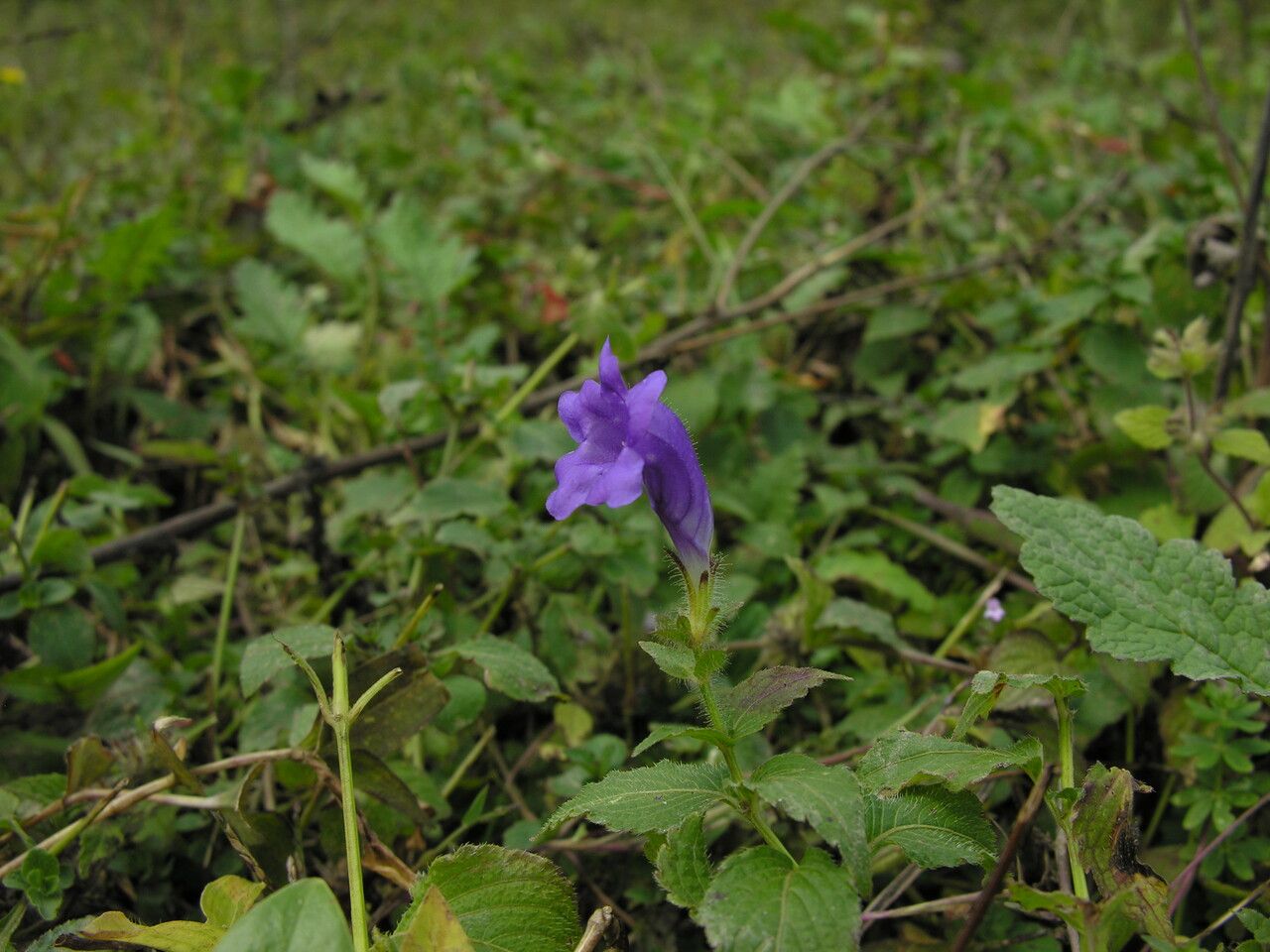
Hey there, fellow plant lovers! It’s so good to have you over. Today, we’re diving into the lovely world of Strobilanthes extensa. You know, those gorgeous plants that drape themselves with such elegant, often iridescent foliage. They really do add a touch of exotic charm to any shady corner.
There’s something truly special about taking a little piece of a plant you adore and nurturing it into a whole new life. It’s incredibly rewarding, and honestly, Strobilanthes extensa is a rather generous plant when it comes to sharing its offspring. I’ve found it to be quite forgiving, making it a wonderful choice even if you’re just starting to explore the world of propagation.
The Best Time to Start
For the most success, aim to propagate your Strobilanthes extensa during its active growing season. That usually means late spring or early summer. The plant is full of vigor then, and its cuttings have a better chance of taking root quickly. You’re essentially piggybacking on its natural energy surge.
Supplies You’ll Need
Gathering your tools beforehand makes the whole process smooth sailing. Here’s what I like to have on hand:
- Sharp Pruning Shears or a Clean Knife: For making clean cuts that heal better.
- Potting Mix: A light, well-draining blend is key. I often use a mix of equal parts peat moss, perlite, and a bit of coarse sand. Some people swear by a dedicated seed-starting mix!
- Small Pots or Seedling Trays: Whatever you have that can hold the cuttings and encourage root development. Make sure they have drainage holes.
- Rooting Hormone (Optional but Recommended): This isn’t strictly necessary for Strobilanthes, but it can give your cuttings a significant boost, especially if you’re hoping for faster results.
- Plastic Bags or a Clear Dome: To create a propagator and maintain humidity.
- Spray Bottle with Water: For keeping things moist without overwatering.
Propagation Methods
While you can sometimes coax roots from almost any bit of a plant, two methods stand out for Strobilanthes extensa. I find them the most reliable and straightforward.
Stem Cuttings
This is my go-to method for Strobilanthes. It’s incredibly effective and yields sturdy new plants.
- Select a Healthy Stem: Look for a new, non-flowering shoot that’s about 4-6 inches long. It should feel firm but not woody.
- Make the Cut: Using your sharp shears or knife, make a clean cut just below a leaf node. This is the bump on the stem where leaves emerge; it’s where roots are most likely to form.
- Prepare the Cutting: Gently remove the lower leaves, leaving just a couple at the very top. This prevents them from rotting in the soil or water. If the leaves are very large, you can even snip them in half to reduce water loss.
- Apply Rooting Hormone (If Using): Dip the cut end of the stem into your rooting hormone powder, tapping off any excess.
- Plant the Cutting: Gently insert the cut end into your prepared potting mix. Make sure the leaf nodes are below the soil surface.
- Water Gently: Lightly water the soil to settle it around the cutting. Avoid making it soggy.
- Create a Humid Environment: Cover the pot with a plastic bag, securing it with a rubber band around the rim, or place it under a clear dome. This traps humidity, which is crucial for cuttings to root before they can take up water through roots.
- Place in Bright, Indirect Light: Find a spot that gets plenty of light but no direct sun, which can scorch the delicate cuttings. A warm spot is ideal.
Water Propagation
This method is visually satisfying as you can see the roots grow!
- Take Cuttings: Follow steps 1-3 from the stem cutting method.
- Place in Water: Put the prepared cuttings in a clear glass or jar of water. Make sure the leaf nodes are submerged, but crucially, don’t let the remaining leaves sit in the water. This will cause them to rot.
- Change Water Regularly: Change the water every few days to keep it fresh and oxygenated.
- Wait for Roots: You should start to see tiny white roots emerge from the nodes within a few weeks.
- Pot Up: Once the roots are about an inch long, carefully transplant them into potting mix following the planting instructions for stem cuttings.
The “Secret Sauce” (Pro Tips)
After years of tinkering, I’ve learned a few tricks that seem to make all the difference.
- Don’t Overcrowd: When planting multiple cuttings in one pot, give them a little breathing room. It reduces the risk of fungal issues spreading if one cutting fails.
- Bottom Heat is Your Friend: If you live in a cooler climate or are propagating during a less-than-ideal season, a seedling heat mat placed under the pots makes a huge difference. It encourages root development from below, mimicking warm soil temperatures.
- Patience with the Pod Seal: Once you’ve got your cutting covered, resist the urge to lift the plastic every day! Let that humid microclimate work its magic. Only lift to water if the soil looks bone dry.
Aftercare & Troubleshooting
Once you’ve spotted roots forming, the real excitement begins!
- Establishment: For cuttings in soil, lightly mist the leaves daily for the first week or two to help them transition. Gradually decrease the misting as the roots get established. You’ll know they’re ready when they look perky and show new leaf growth – a sure sign they’re drawing water effectively.
- Potting Up: When your new plant has a decent root system, it’s time to move it to its own, slightly larger pot. Continue to keep it in bright, indirect light.
- Signs of Trouble: The most common culprit for failure is rot. If your cutting looks mushy, black, or smells off, it’s likely rotted. This is usually due to too much moisture and poor air circulation. The good news is, if you have several cuttings, one failure doesn’t mean all is lost! Another issue can be wilting, which often means your cutting hasn’t rooted yet and is losing water faster than it can absorb it. Ensure good humidity and check for roots regularly.
A Little Encouragement
So there you have it! Propagating Strobilanthes extensa is a wonderfully accessible and rewarding venture. Don’t be discouraged if your first attempt isn’t perfect. Every gardener learns through trial and error. Just keep at it, enjoy the process of nurturing these beautiful plants, and soon you’ll have a whole collection to admire and share. Happy growing!
Resource:
https://identify.plantnet.org/k-world-flora/species/Strobilanthes%20extensa%20(Nees)%20Nees/data