Hello fellow plant lovers!
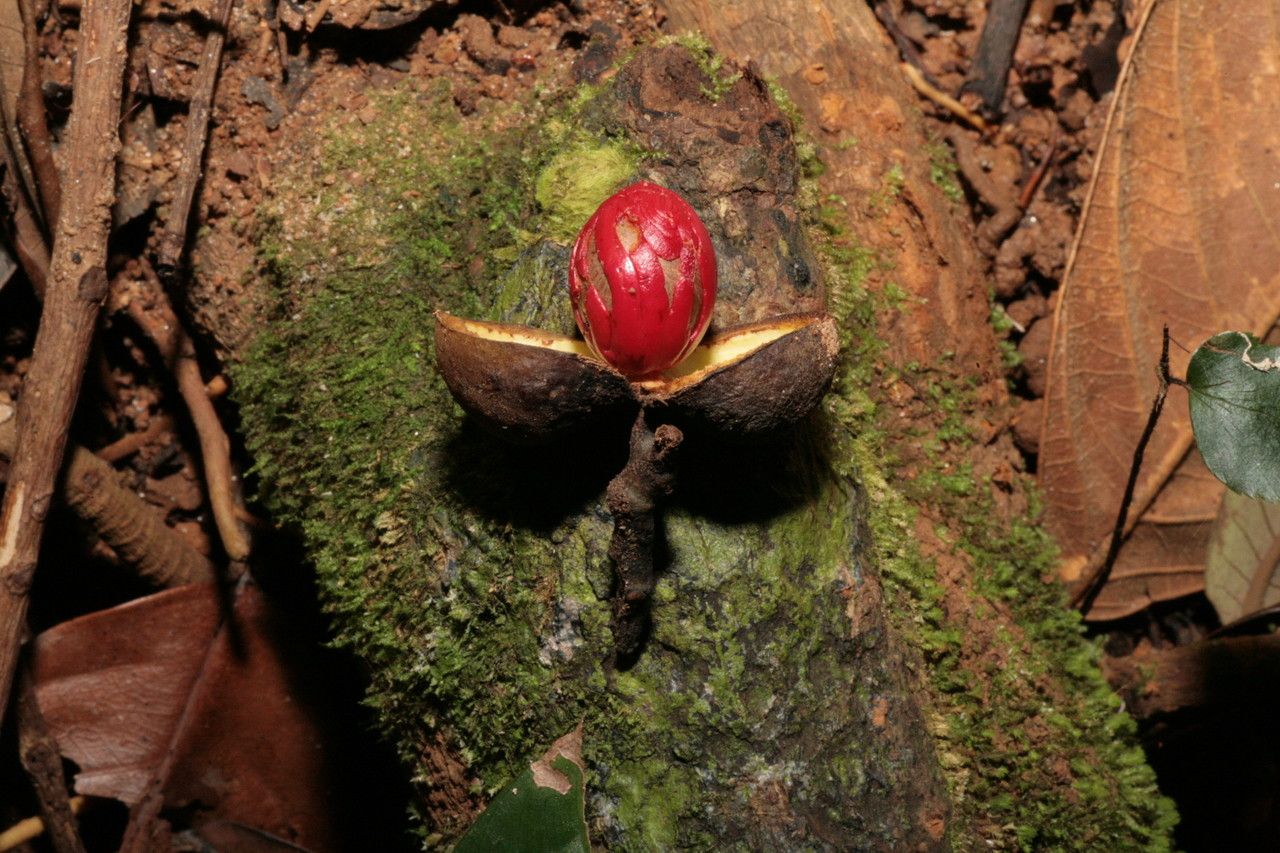
Today, we’re going to talk about a gem in the botanical world: Virola michelii. If you’re looking for a touch of the exotic in your garden or home, this is a stunner. Its glossy, leathery leaves and impressive stature can truly transform a space. Now, I know hearing about propagation might sound a little daunting, but trust me, the satisfaction of nurturing a new life from a cutting is absolutely marvelous. While Virola michelii isn’t the absolute easiest plant for a complete beginner to propagate, with a little care and the right know-how, you’ll be well on your way.
The Best Time to Start
For the highest success rates with Virola michelii, aim for spring or early summer. This is when the plant is actively growing, and its tissues are more receptive to rooting. You’re essentially catching it at its most vigorous, its “can-do” phase, if you will. Waiting for new, healthy growth is key.
Supplies You’ll Need
Here’s your handy checklist to get prepared:
- Sharp pruning shears or a clean knife: Essential for making precise cuts.
- Rooting hormone (optional but recommended): Especially helpful for trickier cuttings.
- Well-draining potting mix: A mix of perlite, coco coir, and some compost works wonderfully. You want air to get to those tender roots.
- Small pots or seed trays: Enough to accommodate your cuttings.
- Clear plastic bags or a propagator: To create a humid environment.
- Watering can with a fine rose: For gentle watering.
- Spray bottle: For misting.
Propagation Methods
The most reliable way to propagate Virola michelii is through stem cuttings. Let’s get our hands dirty!
- Select Your Cuttings: Look for healthy, semi-hardwood stems that are at least pencil-thick and have several sets of leaves. You want to avoid very soft, new growth or old, woody stems if possible.
- Make the Cut: Using your sharp pruning shears or knife, take cuttings that are about 4-6 inches long. Make the cut just below a leaf node (where a leaf attaches to the stem). This is where the magic for rooting often happens.
- Prepare the Cutting: Gently remove the lower leaves from the cutting, leaving just 2-3 leaves at the top. This prevents them from rotting in the soil. If the remaining leaves are very large, you can cut them in half horizontally to reduce water loss.
- Apply Rooting Hormone (Optional): Dip the cut end of the stem into your rooting hormone. Tap off any excess.
- Plant Your Cuttings: Fill your pots or trays with your well-draining potting mix. Make a small hole with a pencil or your finger and gently insert the cut end of the stem. Firm the soil around it gently.
- Water Gently: Water the soil thoroughly until it drains from the bottom of the pot.
The “Secret Sauce” (Pro Tips!)
Here are a few little tricks that have saved me countless propagations:
- Bottom Heat is Your Friend: Virola michelii absolutely loves a bit of warmth from below. Placing your pots on a heated propagator mat can significantly speed up root formation. It mimics the conditions of a tropical forest floor, which these plants adore.
- Humidity is Key, But Not Soggy: While we want to keep the cuttings moist, we don’t want them drowning. After planting, cover the pots with a clear plastic bag or place them in a propagator. Ventilate them daily for a few minutes to prevent mold. I find that misting the leaves lightly with water inside the bag every few days helps keep them happy.
- Don’t Disturb Until You’re Sure! This is a tough one, I know. Resist the urge to tug on your cuttings to “check for roots.” You won’t know they’re there until you see new leaf growth. Only then can you be reasonably sure they’ve taken. This can take anywhere from 6 weeks to a few months, so patience is your greatest asset here.
Aftercare & Troubleshooting
Once you see new growth, congratulations! Your cutting has officially become a baby plant.
- Gradually Acclimate: Slowly remove the plastic bag or open the propagator a little more each day over a week or two. This helps the new plant adjust to the drier air of your home.
- Keep it Moist: Continue to water when the top inch of soil feels dry. Avoid letting it sit in soggy conditions.
- Bright, Indirect Light: Place your new Virola michelii in a spot with bright, indirect light.
- Watch for Rot: The most common sign of failure is rot. If the stem turns black, mushy, or if your cuttings simply collapse without any signs of life, it’s usually a sign of too much moisture and not enough air circulation. If you caught it early, you might be able to trim off the rotted part and try again. Sometimes, poor rooting hormone quality or an unhealthy parent plant can also contribute.
So there you have it! Propagating Virola michelii is a journey, not a sprint. Embrace the process, learn from each attempt, and cherish those first tiny leaves. Happy propagating!
Resource:
https://identify.plantnet.org/k-world-flora/species/Virola%20michelii%20Heckel/data