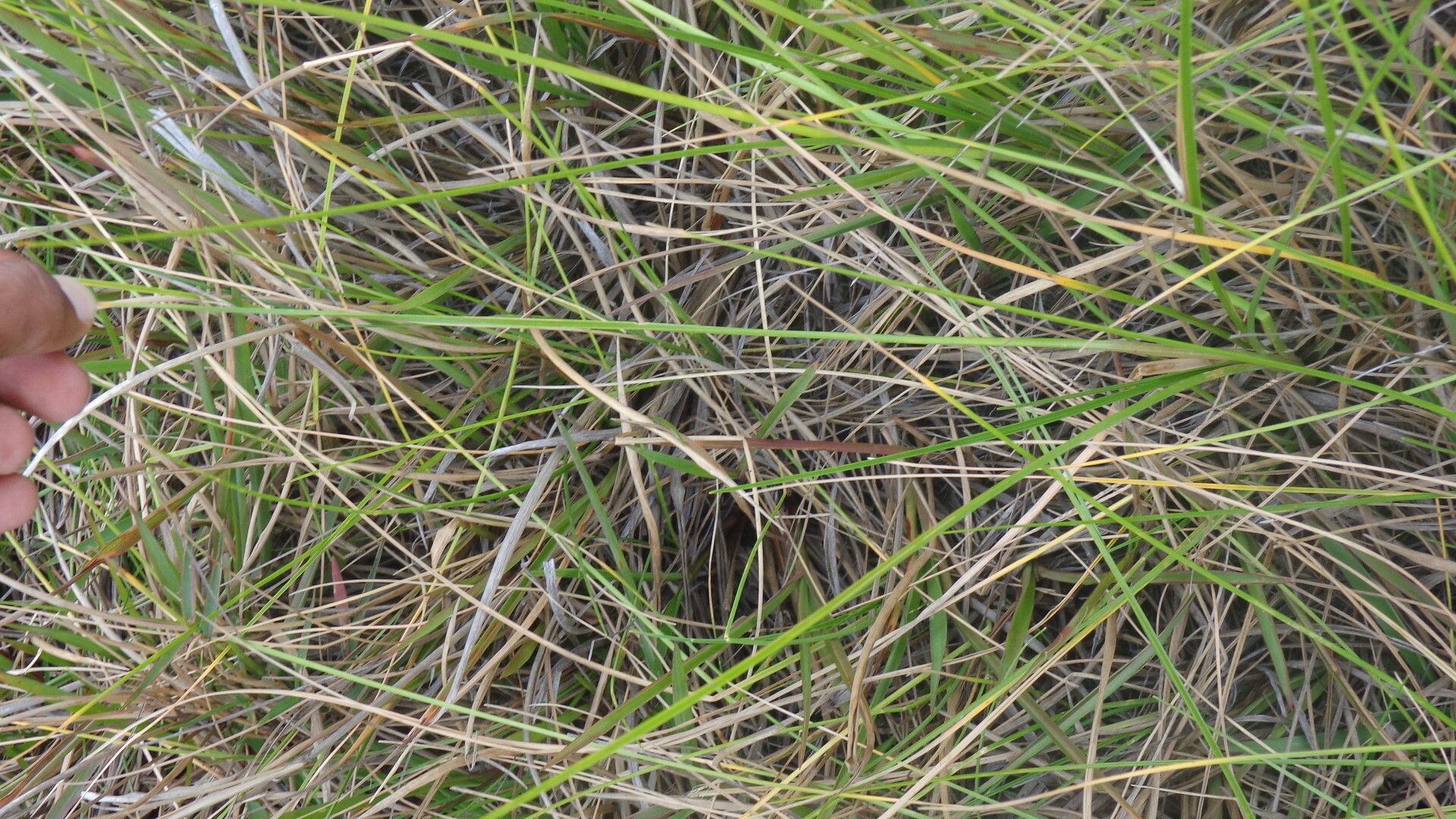
Hello there, fellow garden enthusiasts! Grab your favorite mug, and let’s chat about a truly charming aquatic plant: Eleocharis erythropoda, commonly known as Dwarf Spikerush.
Why You’ll Love Propagating Dwarf Spikerush
This little number is a stunner! Its bright green, grass-like stems bring a wonderful texture and structure to water gardens, ponds, or even moist terrariums. Mimicking natural boggy edges, it creates that lush, wetland feel we all adore. And the best part? Propagating it is surprisingly straightforward. Honestly, if you’re dipping your toes into aquatic plant propagation, this is a fantastic one to start with. It’s very forgiving.
The Best Time to Start
Mark your calendars for late spring or early summer. This is when Eleocharis erythropoda is in its active growing phase. You’ll see vigorous new shoots emerging, which means you have plenty of healthy material to work with. Trying to propagate when the plant is dormant or stressed is just setting yourself up for disappointment.
Supplies You’ll Need
You won’t need a whole lot, which is part of the charm! For propagating Dwarf Spikerush, I recommend having these on hand:
- Sharp pruning shears or a clean knife: For making neat cuts.
- A trowel or small spade: For lifting and dividing the plant.
- A well-draining potting mix: A blend of aquatic plant soil, coco coir, perlite, and a bit of peat moss works beautifully. You want something that holds moisture but doesn’t become waterlogged.
- Shallow trays or pots: Small containers are perfect for individual divisions.
- Water: Of course! Clean, dechlorinated water is best.
- (Optional) Rooting hormone powder: While often not strictly necessary for this plant, it can sometimes give an extra boost.
Propagation Methods
Dwarf Spikerush is most commonly and easily propagated through division. It’s simple and highly effective. Here’s how I do it:
- Gently Lift Your Plant: In late spring or early summer, carefully dig up your Eleocharis erythropoda. Try to get as much of the root ball as possible.
- Clean the Roots: Gently rinse away excess soil from the roots. This helps you see the structure of the plant more clearly and identify where to divide.
- Divide with Care: You’ll see that the plant grows in clumps, with various shoots emerging from a central rhizome or root system. Using your hands or a trowel, carefully pull apart the clumps. Aim for divisions that have at least a few healthy shoots and a good portion of roots. Don’t be afraid to be a little firm; these plants are tough!
- Pot Up Your Divisions: Plant each division into its own pot filled with your prepared potting mix. Ensure the crown of the plant (where the stems meet the roots) is just at the soil surface.
- Water Generously: Water each potted division thoroughly. For the first few weeks, I like to keep the pot sitting in a shallow tray of water to ensure the soil stays consistently moist.
The “Secret Sauce” (Pro Tips)
Over the years, I’ve learned a trick or two that can really make a difference:
- Don’t Overcrowd Your New Pots: It’s tempting to cram as many shoots into one pot as possible. Resist the urge! Give each division a little breathing room. This allows for better air circulation and reduces the risk of rot.
- Consider Bottom Heat: While not essential, placing your newly potted divisions on a gentle heated propagator mat can really speed up root development. Just make sure the mat isn’t too hot – think lukewarm bathwater, not a sauna!
- Embrace the Soggy Bottom: Unlike many terrestrial plants, Eleocharis erythropoda practically thrives on wet feet. Once established, you can actually submerge the pots in a water feature, but for newly divided plants, keeping the soil consistently moist (like a wet sponge) is key.
Aftercare & Troubleshooting
Once your divisions look happy and you see new growth, you’re on your way!
- Gradual Acclimation: If you’ve kept them in a protected spot, gradually introduce them to more sun.
- Consistent Moisture: Continue to keep the soil consistently moist. For most setups, this means their pot will be sitting in a shallow amount of water.
- Watch for Rot: The most common sign of trouble is mushy, black stems or roots. This usually means the plant is getting too much stagnant water or not enough ventilation. If you see this, try reducing the water level slightly, ensuring good air circulation, and removing any affected parts. Patience is key here; sometimes a plant can bounce back.
Happy Propagating!
So there you have it! Propagating Eleocharis erythropoda is a wonderfully rewarding way to expand your aquatic displays or share these delightful plants with friends. Remember to be patient, observe your plants, and enjoy the process. Happy gardening, and may your water gardens always be lush!
Resource:
https://identify.plantnet.org/k-world-flora/species/Eleocharis%20erythropoda%20Steud./data