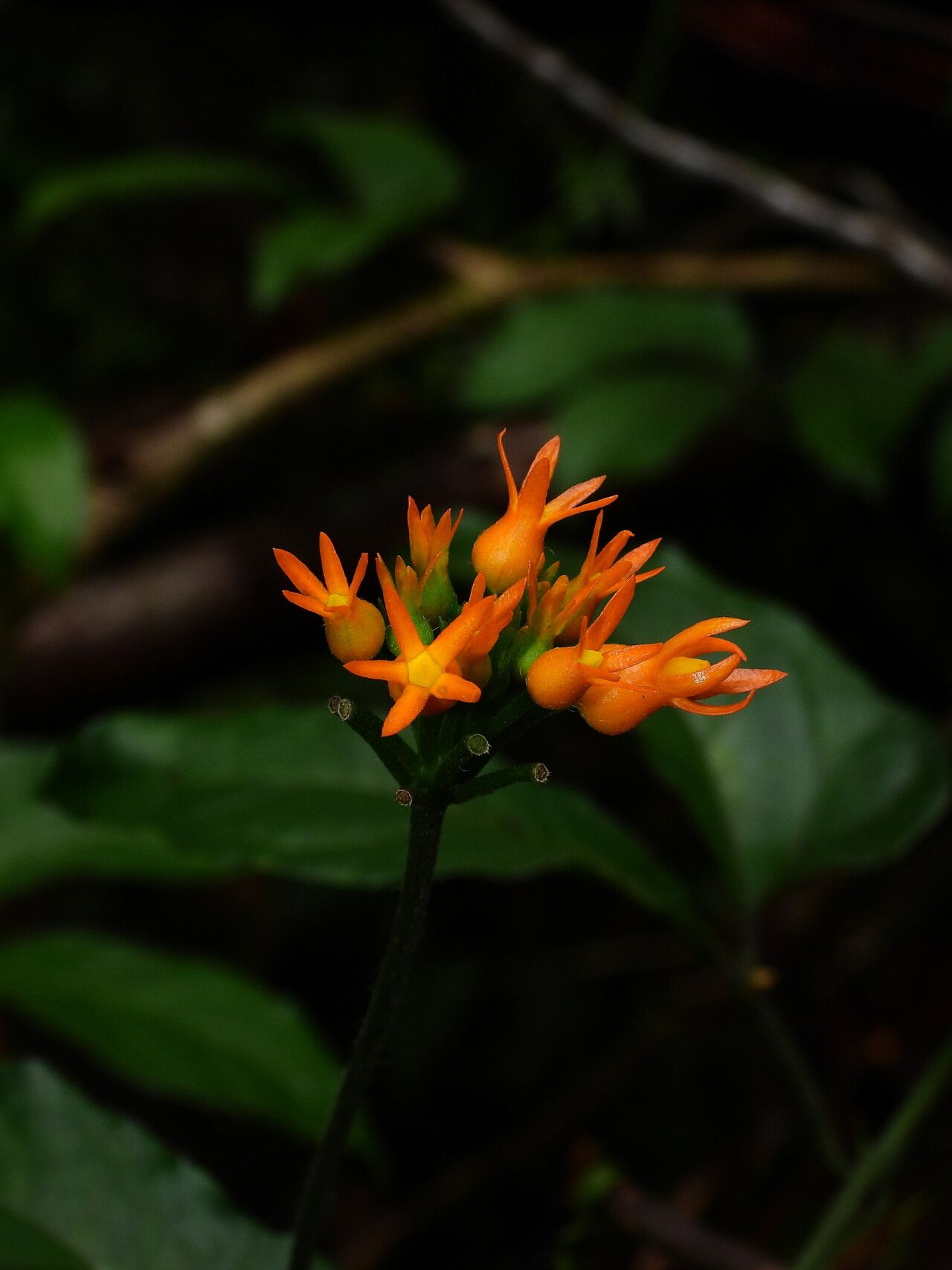
Hello fellow plant lovers! Today, we’re diving into the wonderfully rewarding world of propagating Gurania acuminata. If you’ve ever admired its lush foliage and those intriguing, subtly fragrant blooms, you’re in for a treat. Sharing a piece of this beauty with yourself, or a friend, is incredibly satisfying.
Now, I’ll be honest – while Gurania acuminata isn’t the easiest plant to start from scratch for an absolute beginner, it’s certainly manageable with a little patience and the right approach. Think of it as a friendly challenge that yields a wonderful reward.
The Best Time to Start
Timing is everything in the plant world, isn’t it? For Gurania acuminata, you’ll have the most success during its active growing season, which typically falls between late spring and early summer. This is when the plant has plenty of energy to put into developing new roots. You’re looking for healthy, vigorous stems that aren’t flowering.
Supplies You’ll Need
Gathering your tools beforehand makes the whole process much smoother. Here’s what I usually have on hand:
- Sharp, clean pruning shears or a knife: Always sterilize them with rubbing alcohol to prevent disease.
- A well-draining potting mix: I like to use a blend of equal parts peat moss, perlite, and vermiculite. Some even add a bit of orchid bark for extra aeration.
- Rooting hormone (optional but recommended): This gives your cuttings a helpful boost. Look for one with a fungicidal component.
- Small pots or propagation trays: Terracotta pots are great as they breathe.
- Plastic bags or a humidity dome: To keep things moist.
- A watering can with a fine rose: For gentle watering.
- A heat mat (optional but highly beneficial): Warm soil encourages root growth.
Propagation Methods
Let’s get our hands dirty! The most reliable method for Gurania acuminata is through stem cuttings.
Stem Cuttings
- Select your cutting: Find a healthy, mature stem that’s about 6-8 inches long. Look for one that has at least two leaf nodes (where leaves emerge from the stem).
- Make the cut: Using your sterilized shears, make a clean cut just below a leaf node. This is where the magic happens for root development.
- Prepare the cutting: Gently remove the lower leaves, leaving only the top two or three. This prevents them from rotting in the soil. If any leaves are very large, you can even cut them in half to reduce water loss.
- Apply rooting hormone: If you’re using it, dip the cut end of the stem into the rooting hormone powder, tapping off any excess.
- Plant your cutting: Fill your small pot with your prepared potting mix. Make a hole in the center with your finger or a pencil. Insert the cutting into the hole, ensuring the bottom leaf nodes are buried. Gently firm the soil around the stem.
- Water gently: Give the soil a light watering until it’s evenly moist, but not waterlogged.
- Create a humid environment: Cover the pot with a clear plastic bag, being careful to keep the leaves from touching the plastic. Alternatively, use a humidity dome. Place the pot in a warm spot with bright, indirect light.
Water Propagation (An Alternative, but often less successful for this particular plant)
While some plants root beautifully in water, Gurania acuminata can be a bit more finicky with this method. If you do choose to try it:
- Follow steps 1-3 for stem cuttings.
- Place the cutting in a jar or glass of clean water.
- Ensure that no leaves are submerged in the water. This is crucial to prevent rot.
- Place in bright, indirect light and change the water every few days to keep it fresh.
- Be patient. You’re looking for plump, white roots to emerge. Once they’re about an inch long, you can try potting them up.
The “Secret Sauce” (Pro Tips)
Here are a couple of little tricks I’ve learned over the years that can really make a difference:
- Bottom Heat is Your Friend: I can’t stress this enough! Placing your pots on a gentle heat mat can dramatically speed up root formation. Think of it as mimicking the warmth of spring soil.
- Don’t Disturb Too Soon: Resist the urge to constantly pull at your cutting to check for roots. This can damage the delicate new growth. Wait until you see noticeable new leaf growth or feel some gentle resistance when you give the stem a very light tug. This usually indicates a well-established root system.
- Air Circulation is Key: While we want humidity, stagnant air can lead to fungal issues. If you’re using a plastic bag, open it up for a few minutes each day to allow for some fresh air exchange.
Aftercare & Troubleshooting
Once you see those first signs of roots – maybe new leaves unfurling or a slight tug resistance – it’s time for a little more focused care.
- Gradual Acclimation: If you used a plastic bag or dome, gradually remove it over a week or so. This helps your new plant adjust to the drier air outside.
- Watering: Continue to keep the soil consistently moist but not soggy. Water when the top inch of soil feels dry.
- Light: Keep it in bright, indirect light. As it grows stronger, you can slowly introduce it to brighter conditions.
Now, what if things don’t go perfectly? The most common issue you might encounter is rot. If your cutting turns black and mushy, it’s likely rotted. This is often due to too much moisture, poor air circulation, or using non-sterile tools. Don’t despair! Just grab another cutting and try again, paying close attention to those key steps.
Let Patience Blossom
Propagating plants is an exercise in patience and observation. Not every attempt will be a resounding success, and that’s perfectly okay. Each new cutting is a lesson learned. So, take a deep breath, enjoy the process of nurturing new life, and celebrate those tiny roots when they finally appear. Happy propagating!
Resource:
https://identify.plantnet.org/k-world-flora/species/Gurania%20acuminata%20Cogn./data