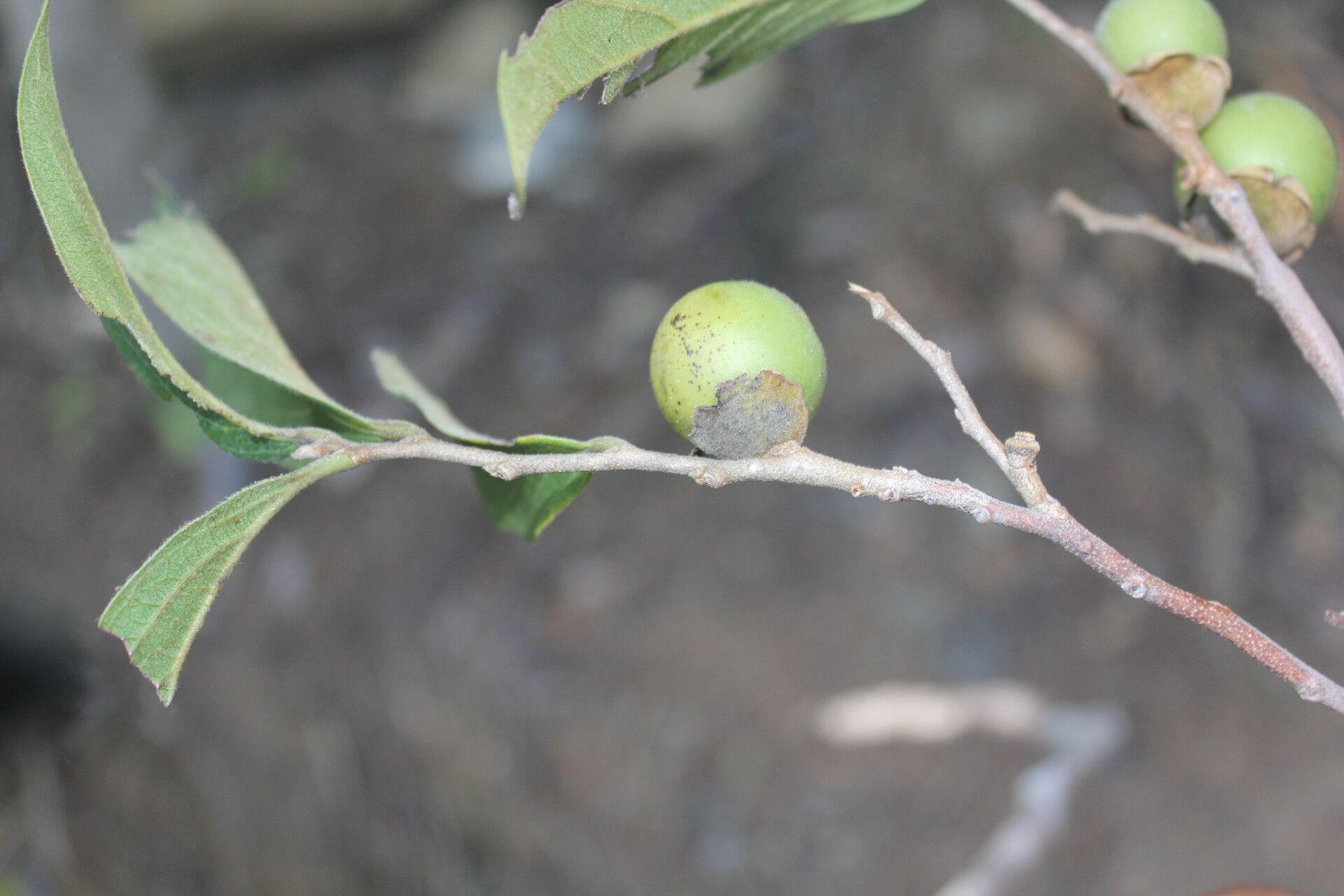
Hey there, fellow plant lovers! I’m so excited to talk to you today about a real gem for any garden: Diospyros acapulcensis. This beautiful tree, often called the Mexican Ebony or Acapulco Ebony, offers such gorgeous, glossy foliage and can even produce lovely fruit if you’re lucky enough to get it to bear. Growing your own from scratch is incredibly satisfying, a little piece of nature you helped create. Now, if you’re just starting out, Diospyros acapulcensis might be a tad on the challenging side. It’s not exactly a weed, but with a little care and attention, I promise you can do it!
The Best Time to Start
Timing is everything, right? For Diospyros acapulcensis, I’ve found the late spring to early summer is your golden ticket. This is when the plant is actively growing, really pushing out new shoots. Your cuttings will have the most energy and are more likely to root successfully. Avoid propagating from plants that are stressed, either from extreme heat or drought, or from new growth that’s still very soft and floppy. You want slightly hardened-off, but still pliable, stems.
Supplies You’ll Need
Gathering your tools beforehand makes the whole process so much smoother. Here’s what I always have on hand:
- Sharp Pruning Shears or a Craft Knife: Clean cuts are crucial for healthy rooting.
- Rooting Hormone: A good quality powder or gel makes a world of difference.
- Well-Draining Potting Mix: I like a blend of equal parts perlite, peat moss, and a good quality potting soil. You can also use a seed-starting mix.
- Small Pots or Trays: Clean pots are a must! About 4-6 inch pots are usually sufficient.
- Clear Plastic Bags or a Propagator Lid: To create that humid environment.
- Watering Can with a Fine Rose: Gentle watering is key.
- Optional: Bottom Heat Mat: This can really speed things up.
Propagation Methods
Let’s get our hands dirty! For Diospyros acapulcensis, stem cuttings are my go-to method.
- Take Your Cuttings: As I mentioned, aim for those slightly woody, but still flexible, stems from the current season’s growth. Look for stems that are about 6-8 inches long. Using your clean shears, make a swift, clean cut just below a leaf node (where a leaf attaches to the stem).
- Prepare the Cutting: Gently remove the lower leaves from the cutting. You want to expose that leaf node, as this is where roots will emerge. If your cutting has very large leaves, you can even cut them in half to reduce water loss.
- Apply Rooting Hormone: Dip the cut end of the stem into your rooting hormone, making sure it’s well coated. Tap off any excess.
- Plant the Cuttings: Fill your clean pots with your well-draining mix. Make a small hole in the center with your finger or a pencil. Insert the cutting into the hole, ensuring at least two leaf nodes are below the soil surface. Gently firm the soil around the stem.
- Create Humidity: This is vital! Water the soil gently until it’s evenly moist, but not soggy. Then, cover the pot with a clear plastic bag (making sure the leaves don’t touch the sides if possible) or place it under a propagator lid. This traps moisture and creates a mini-greenhouse.
The “Secret Sauce” (Pro Tips)
Now for a couple of my little tricks that have served me well over the years:
- The Cleanness Crusade: Seriously, sterilize everything. Your shears, your pots, your hands. Any little bit of bacteria or fungus can spell disaster for a tender cutting. A quick wash with soapy water and a rinse with a diluted bleach solution (and then rinsed well!) goes a long way.
- Bottom Heat Bliss: If you have a heat mat, place your pots on it. Diospyros acapulcensis roots absolutely love that gentle warmth from below. It encourages faster and more robust root development. You’ll see a noticeable difference compared to relying on ambient room temperature alone.
Aftercare & Troubleshooting
Once your cuttings are planted, patience is your best friend. Keep them in a bright spot, but out of direct, scorching sunlight. Mist the leaves occasionally if you’re not using a propagator, and check the soil moisture regularly – it should always feel slightly damp.
You’ll know your cuttings are taking root when you see new growth, or if you gently tug on the stem and feel resistance. This usually takes anywhere from six weeks to several months, so don’t get discouraged!
The main thing to watch out for is rot. This usually happens if the soil is too wet and there’s not enough air circulation. If you see your cuttings turning black and mushy at the soil line, or if the leaves start to yellow and drop off rapidly without any sign of new growth, it’s a bad sign. If this happens, try to improve air circulation, let the soil dry out a bit more between waterings, and ensure your potting mix is as well-draining as possible. Sometimes, you just have to accept that not every cutting will make it, and that’s part of the learning curve.
A Welcoming Finale
Propagating Diospyros acapulcensis is a rewarding journey. It takes a bit of effort and a lot of patience, but that moment when you see those first tiny roots or a new flush of leaves is truly magical. Don’t be afraid to experiment, and most importantly, enjoy the process of nurturing these little lives. Happy growing!
Resource:
https://identify.plantnet.org/k-world-flora/species/Diospyros%20acapulcensis%20Kunth/data