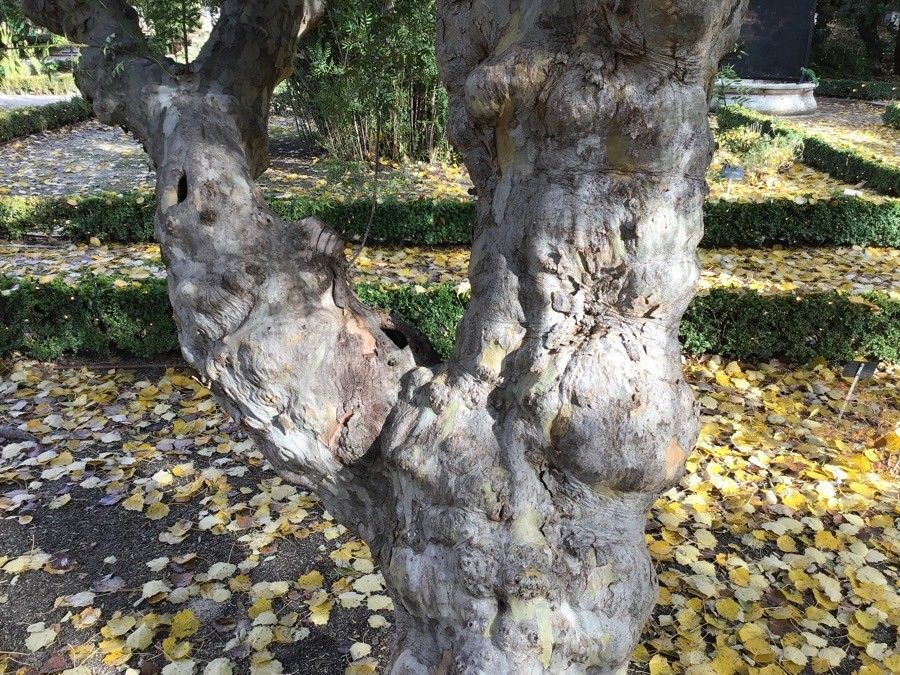
Oh, isn’t Schinus lentiscifolia just a dream? That graceful foliage, the lovely subtle fragrance when you brush past it – it brings such a touch of elegance to any garden. And the best part? You can bring more of that beauty into your life by propagating it yourself! It’s a truly rewarding experience, watching a tiny cutting transform into a vibrant new plant. If you’re new to the gardening game, you might find it a tad more involved than something like a pothos, but with a little care, it’s absolutely achievable.
The Best Time to Start
For the highest chance of success with Schinus lentiscifolia, I always lean towards late spring to early summer. This is when the plant is in its active growth phase. You want to choose stems that are semi-hardwood – not brand new and floppy, but not old and woody either. Think of it as that perfect stage between being tender and tough, full of life and ready to put down roots.
Supplies You’ll Need
Ready to gather your tools? Here’s what you’ll want on hand:
- A clean, sharp pair of pruning shears or a sharp knife. Sterilize them with rubbing alcohol before you begin to prevent disease.
- Rooting hormone. This is a lifesaver, especially for slightly woodier cuttings. I like to use a powdered form, but gels work beautifully too.
- A well-draining potting mix. A good blend is about 50% perlite or coarse sand mixed with 50% peat moss or coco coir. You want air to get to those developing roots.
- Small pots or trays with drainage holes. Recycled yogurt cups work in a pinch, just be sure to poke a few holes in the bottom!
- A clear plastic bag or a propagation dome. This creates a humid microclimate, which is crucial for cuttings.
- A spray bottle with water.
Propagation Methods
Stem cuttings are really your best bet for Schinus lentiscifolia. Here’s how I typically do it:
- Choose and Cut: Select healthy, vigorous stems that are about 4-6 inches long. Make a clean cut just below a leaf node (where a leaf meets the stem).
- Prepare the Cutting: Gently strip off the lower leaves, leaving about 2-3 leaves at the top. This prevents leaves from rotting when they’re buried or in contact with water.
- Dip in Rooting Hormone: Moisten the cut end of the stem and then dip it into the rooting hormone, tapping off any excess.
- Plant Your Cuttings: Fill your pots with the prepared potting mix. Make a small hole with your finger or a pencil and insert the cutting, firming the soil gently around it. You can plant several cuttings in one pot, spacing them a couple of inches apart.
- Provide Humidity: Water the soil lightly. Then, place the pots inside a clear plastic bag (zipping it closed) or cover them with a propagation dome. This traps moisture.
The “Secret Sauce” (Pro Tips)
Now, for a couple of my little tricks that can make all the difference:
- Bottom Heat is Your Friend: While not strictly necessary, placing your pots on a heated propagation mat can really speed up root development. The warmth encourages root growth from below.
- Watch for the “Wilt-and-Revive”: When you first pot those cuttings, they might look a little sad. Don’t panic! Keep them in that humid environment. Often, they’ll wilt slightly, but if they perk back up a bit within a few days, that’s a good sign they’re happy and starting to settle in.
Aftercare & Troubleshooting
Once your cuttings are happily sitting in their humid little homes, keep them in a bright spot, but out of direct, scorching sunlight. Water the soil whenever the surface feels dry – you want it consistently moist, but never soggy.
You’ll know your cuttings have rooted when you see new growth appearing at the top or when you gently tug on a cutting and feel resistance. This can take anywhere from a few weeks to a couple of months.
The most common sign of failure is rot. If a cutting turns black and mushy, it’s usually due to too much moisture and not enough air circulation. If you spot this, sadly, that cutting is probably a goner. You can try to salvage others by improving drainage or slightly reducing watering.
Enjoy the Journey!
Be patient with your little Schinus lentiscifolia babies. Gardening is all about observation and learning, and every new plant you nurture brings immense satisfaction. Don’t be discouraged if every single cutting doesn’t make it – that’s just part of the process. Go ahead and give it a try, and I can’t wait to hear about your successes!
Resource:
https://identify.plantnet.org/k-world-flora/species/Schinus%20lentiscifolia%20Marchand/data