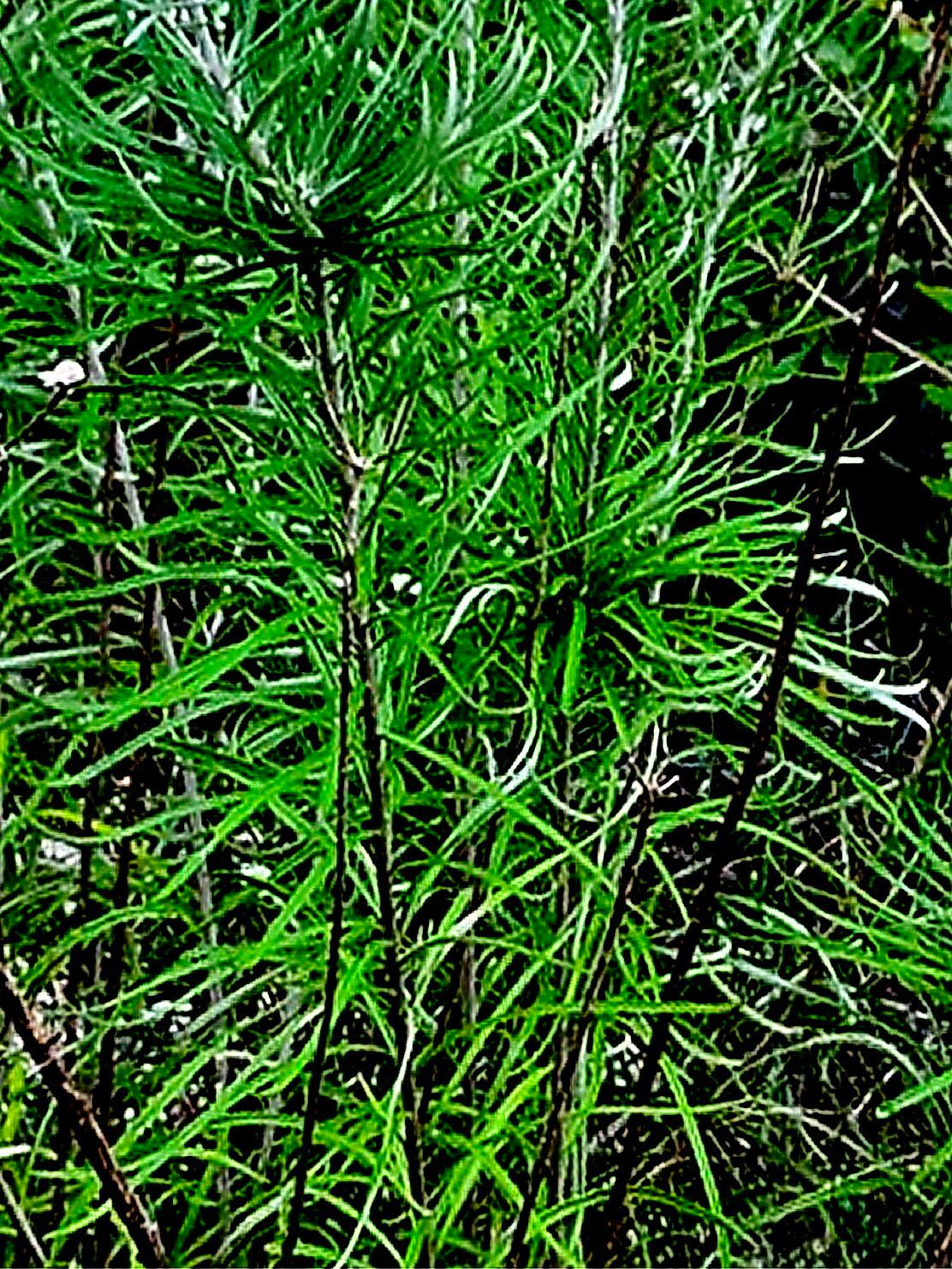
Hello there, fellow garden enthusiasts! Today, I want to share my love for a Texas native that truly shines – Vernonia lindheimeri, or Lindheimer’s ironweed. Its airy, lavender-blue blooms are an absolute magnet for pollinators, and the way it gracefully softens any border is pure magic. Propagating this beauty from your existing plants is so incredibly rewarding. It’s a fantastic way to fill your garden, share with friends, or simply increase your collection. And the best part? For most gardeners, it’s quite forgiving, making it a great plant to try your hand at propagation with!
The Best Time to Start
When it comes to Vernonia lindheimeri, I find the late spring to early summer is your golden ticket. This is when the plant is actively growing, putting on new shoots that are perfect for cuttings. You want to work with stems that are somewhere between soft and woody – not brand new, floppy growth, but also not old, tough stems from last year. The warmth of the season really helps those cuttings root quickly and happily.
Supplies You’ll Need
Getting your ducks in a row with the right tools makes all the difference. Here’s what I always have on hand:
- Sharp Pruning Shears or a Knife: Clean, sharp tools are essential for making clean cuts that heal better.
- Rooting Hormone: This is like a little boost for your cuttings, encouraging faster and stronger root development. I usually opt for a powder, but liquid works too.
- A Well-Draining Potting Mix: A good choice is a 50/50 blend of seed-starting mix and perlite or horticultural sand. This keeps things from getting waterlogged.
- Small Pots or Trays: Clean containers are a must. Yogurt cups with drainage holes poked in the bottom work in a pinch!
- A Clear Plastic Bag or Dome: To create a mini-greenhouse effect and keep humidity high.
- Watering Can with a Fine Rose: For gentle watering.
Propagation Methods
For Vernonia lindheimeri, stem cuttings are my go-to method. It’s straightforward and yields excellent results.
Stem Cuttings:
- Take Your Cuttings: In late spring or early summer, use your clean shears to snip off healthy stems that are about 4-6 inches long. Make your cut just below a leaf node (where the leaves attach to the stem).
- Prepare the Cuttings: Gently remove the lower leaves from the cutting, leaving just a few at the top. This prevents them from rotting in the soil and reduces water loss. You can even take a sharp knife and make a small slit on one side of the very bottom of the stem where you removed the leaves – this encourages more root formation.
- Apply Rooting Hormone: Dip the bottom inch or so of each cutting into your rooting hormone, tapping off any excess.
- Plant Your Cuttings: Fill your pots or trays with your prepared potting mix. Use a pencil or your finger to make a hole in the soil, then carefully insert the cutting, ensuring the part with the rooting hormone is in the soil. Gently firm the soil around the stem. You can plant several cuttings in one pot, just make sure they aren’t overcrowding each other.
- Water Gently: Water the soil thoroughly but gently, so it’s moist but not soggy.
- Create a Humid Environment: Place the pots in a bright spot, but out of direct, harsh sunlight. Cover the pots loosely with a clear plastic bag, or if you have one, a propagation dome. This traps in moisture and humidity, which is vital for cuttings to root. Prop the bag up with skewers or small sticks so it doesn’t touch the leaves.
The “Secret Sauce”
Over the years, I’ve picked up a few tricks that seem to really speed things up and improve success rates.
- Bottom Heat is Your Friend: If possible, place your pots on a propagation mat. This gentle, consistent warmth from beneath is like a cozy blanket for those developing roots. It mimics the warmth of summer soil and can significantly speed up rooting.
- Don’t Drench, Mist: Instead of watering too heavily, I often find that lightly misting the leaves daily, especially if you’re not using a humidity dome, can help keep the cuttings hydrated without waterlogging the roots.
- Patience is Key, But Watch for Airflow: While you want to keep humidity high, occasionally airing out your cuttings (lifting the bag for a few minutes each day) can prevent fungal issues. You can usually tell when it’s time by looking for condensation inside the bag – when it’s really foggy, give it a little breathe of fresh air.
Aftercare & Troubleshooting
Once you see signs of new growth – a tiny leaf unfurling or a bit of upward reach – it’s a good indicator that roots are forming.
- Gradual Acclimation: Begin to slowly acclimate your rooted cuttings to drier air. This means gradually lifting the humidity dome or opening the plastic bag for longer periods each day over a week or two.
- Continued Bright, Indirect Light: Keep them in that bright, indirect light.
- Watering: Water when the top inch of soil feels dry. You’ll also notice roots poking out of the drainage holes, which is a wonderful sign!
- Repotting: Once they have a good root system, you can pot them up into their own individual, slightly larger pots, using a good quality potting mix.
The most common pitfall is rot. If a cutting turns black and mushy, or its leaves suddenly wilt and look dark and limp, it’s likely succumbed to rot, usually from too much moisture and not enough airflow. Don’t be discouraged if a few don’t make it; it’s part of the process. Just pull them out and try again with fresh cuttings.
So there you have it! Propagating Vernonia lindheimeri is a truly satisfying endeavor. Be patient with your little green charges, enjoy the process of nurturing them, and soon you’ll have a garden bursting with this stunning native wildflower. Happy gardening!
Resource: