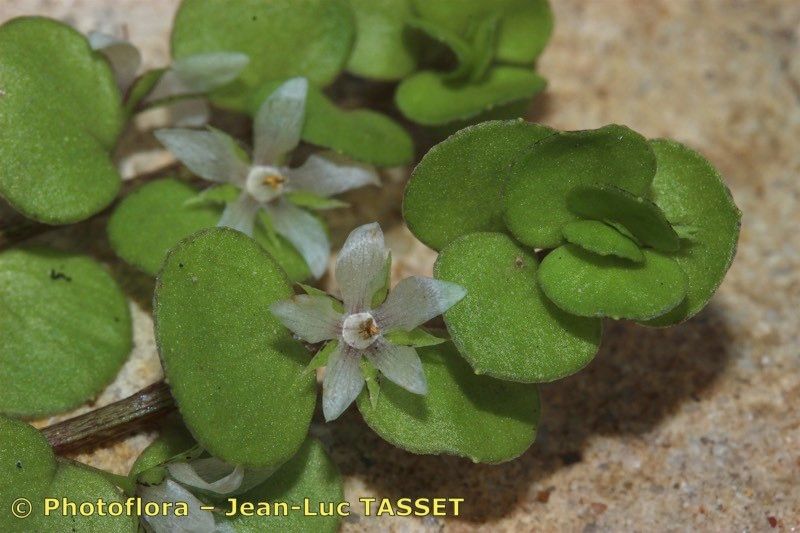
Hello, fellow plant lovers! Today, we’re diving into the wonderful world of Lysimachia tyrrhenia. If you’re looking for a plant that brings a touch of vibrant charm and a lovely cascade of flowers to your garden, this is it. Its delicate blooms are wonderfully eye-catching, and getting more of this beauty for yourself is a truly satisfying endeavor. And don’t worry, while it might seem a touch exotic, propagating Lysimachia tyrrhenia is surprisingly manageable, even for those just starting their plant-parent journey.
The Best Time to Start
For the most success, I find that the late spring to early summer is your golden window. This is when your Lysimachia tyrrhenia is actively growing, buzzing with energy. Those new, semi-hardened shoots are perfect for cuttings. Waiting until it’s in full bloom might mean you miss out on the best propagation material.
Supplies You’ll Need
Here’s what you’ll want to have on hand:
- Sharp pruning shears or a clean utility knife.
- A well-draining potting mix. I often use a 50/50 blend of perlite and peat moss, or a specialized seedling starter mix.
- Small pots or trays with drainage holes.
- Rooting hormone (optional, but can give an extra boost).
- A plastic bag or propagator lid to create a humid environment.
- A spray bottle for misting.
Propagation Methods
Let’s get our hands dirty! We’ll focus on the easiest and most effective method for Lysimachia tyrrhenia: stem cuttings.
- Take Your Cuttings: Choose healthy, non-flowering stems from your established plant. You’re looking for pieces that are about 3-5 inches long. Make a clean cut just below a leaf node (where a leaf attaches to the stem). This is where roots are most likely to form.
- Prepare the Cuttings: Gently remove the lower leaves from your cuttings, leaving just the top few leaves. This helps prevent rot and directs the plant’s energy towards root development. If you’re using rooting hormone, dip the cut end into it now.
- Plant Your Cuttings: Fill your small pots or trays with your prepared potting mix. Make a small hole in the center with your finger or a pencil. Insert the cut end of your Lysimachia tyrrhenia cutting into the hole, ensuring it’s firm. Gently firm the soil around it.
- Create a Humid Environment: This is crucial! Mist the cuttings lightly with your spray bottle. Then, cover the pots with a clear plastic bag or place them in a propagator. This traps moisture and mimics the humid conditions they love.
The “Secret Sauce” (Pro Tips)
Now for those little tricks that make all the difference:
- Don’t Let Leaves Touch the Soil: When you’re preparing your cuttings, make sure none of those lower leaves are buried in the soil. They’ll just invite rot. Keep them lifted!
- Bottom Heat is Your Friend: If you have a heat mat designed for seedlings, placing your pots on top of it can significantly speed up root formation. Lysimachia tyrrhenia really appreciates that gentle warmth from below.
- Patience with the Source Plant: Once you’ve taken cuttings, resist the urge to overwater your original plant. Let it recover and encourage it to produce even more healthy growth for future propagation sessions.
Aftercare & Troubleshooting
Once your cuttings are planted, keep them in a bright, indirect light location. Mist them regularly to maintain humidity, especially if you don’t have a propagator. The goal is to keep the soil consistently moist, but never waterlogged.
You’ll know your cuttings are taking root when you see new leaf growth or feel a slight resistance when you gently tug on them. This usually takes anywhere from 4-8 weeks, but patience is key!
The most common issue you might encounter is rot. If you see your cuttings turning mushy or black at the base, it’s a sign of too much moisture and not enough air circulation. If this happens, remove the affected cuttings immediately to prevent it from spreading, and ensure your remaining ones have adequate drainage and aren’t sitting in standing water.
A Welcoming End
Seeing those tiny roots emerge and new leaves unfurl is such a rewarding experience. Don’t get discouraged if not every cutting takes. Gardening is a journey of learning and observation! Enjoy the process of nurturing these new plants, and soon you’ll have plenty of Lysimachia tyrrhenia to share or to fill your own garden with its delightful charm. Happy propagating!
Resource: