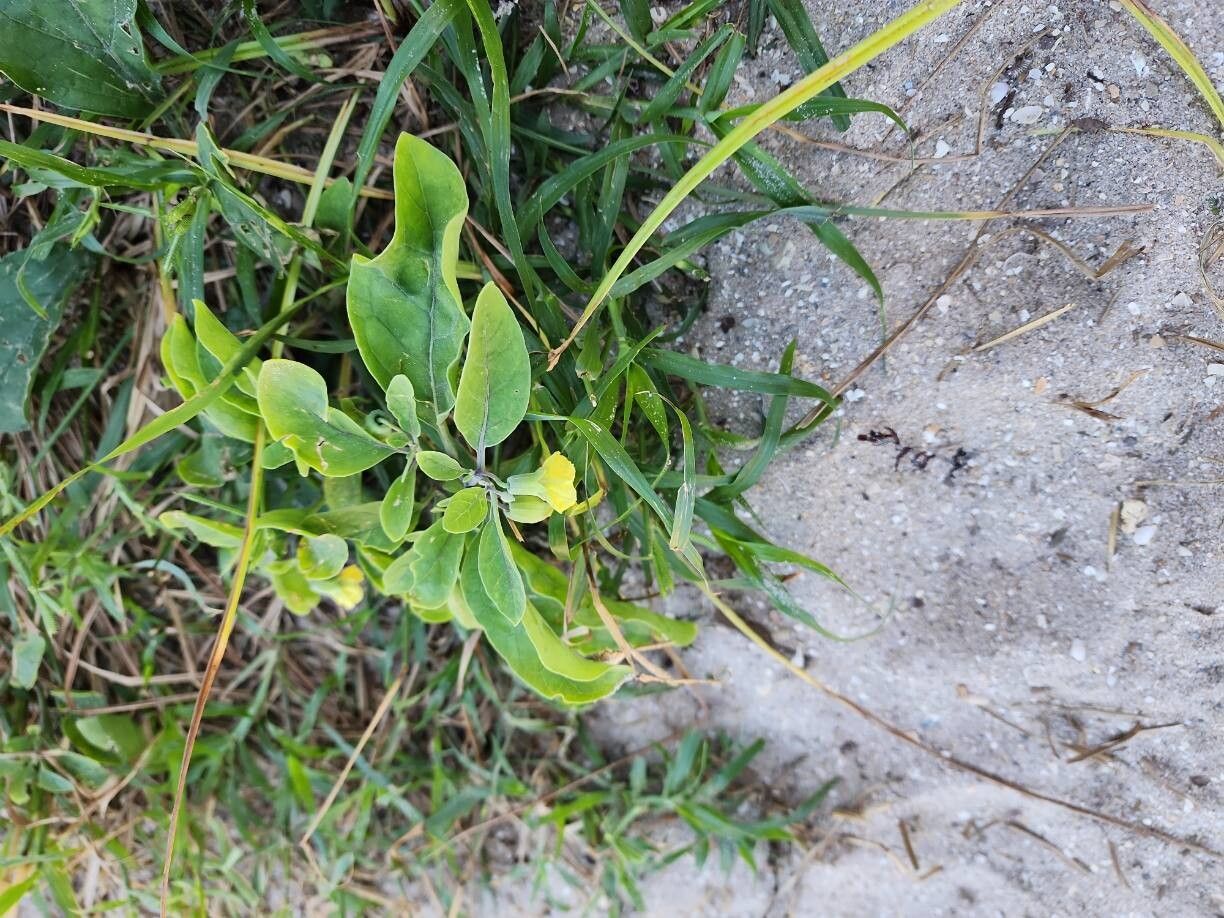
Oh, hello there! Grab yourself a cuppa, and let’s chat about something truly delightful: propagating Physalis walteri, or the Walter’s Groundcherry. If you’ve ever admired their charming little papery lanterns, tinged with the promise of a juicy, tart berry, you’re in for a treat. Growing more of these beauties from cuttings is not only incredibly satisfying but also surprisingly straightforward. Don’t stress if you’re new to this; I’ve found Physalis walteri to be quite forgiving, making it a wonderful plant for beginners to try their hand at propagation.
The Best Time to Start
For the highest success rate, I always recommend starting your Physalis walteri propagation in late spring or early summer. This is when the plant is actively growing and has plenty of those lovely, sappy stems that are eager to root. Think about when your plants are looking lush and vibrant – that’s prime propagation time! Trying too early in the season, or when the plant is stressed, can lead to disappointing results.
Supplies You’ll Need
Here’s what you’ll want to have on hand:
- Sharp pruning shears or a clean knife: For taking nice, clean cuts.
- Rooting hormone (optional but recommended): This stuff really gives your cuttings a boost. Look for a powder or gel.
- Well-draining potting mix: A good blend of peat moss, perlite, and a bit of compost works wonders. You can also use a seed-starting mix.
- Small pots or trays with drainage holes: Anything from tiny peat pots to recycled yogurt cups will do, as long as water can escape.
- A plastic bag or propagator lid: To create a humid environment for your cuttings.
- Watering can or spray bottle: For gentle watering.
Propagation Methods
I’ve had the most success with stem cuttings for Physalis walteri. It’s a tried-and-true method that gives you healthy new plants relatively quickly.
- Select your cuttings: Look for healthy, non-flowering stems that are about 4-6 inches long. Stems that are somewhat firm but still flexible are ideal – not the brand-new, floppy growth, but not the woody old stems either.
- Make the cut: Using your clean shears or knife, take a cutting just below a leaf node (where a leaf attaches to the stem). This is where rooting hormones are naturally produced.
- Prepare the cutting: Gently remove the lower leaves from the bottom 2-3 inches of the stem. You want to leave a few leaves at the top to help the cutting photosynthesize. If the leaves are very large, you can even cut them in half to reduce water loss.
- Apply rooting hormone (optional): Dip the cut end of the stem into your rooting hormone, tapping off any excess.
- Plant the cutting: Fill your pots with your well-draining mix. Make a small hole with your finger or a pencil, and gently insert the cut end of the stem. Firm the soil gently around the base.
- Water gently: Water thoroughly but carefully, ensuring the soil is moist but not soggy. A spray bottle can be very useful here to avoid dislodging the cuttings.
- Create humidity: Cover the pot with a plastic bag, propped up with a stick or skewer so it doesn’t touch the leaves, or use a clear propagator lid. This creates a mini-greenhouse effect.
The “Secret Sauce” (Pro Tips)
Here are a few things I’ve learned over the years that really make a difference:
- Bottom heat is your friend: Physalis walteri loves a bit of warmth at its roots to encourage them to develop. A simple seedling heat mat placed under your pots can significantly speed up the rooting process. You don’t want it too hot, just a gentle warmth.
- Don’t let the leaves touch the water: If you opt for water propagation (which I find a bit trickier for groundcherries, but doable!), make sure NO leaves are submerged. They will rot quickly and take your cutting with them. Only the stem should be in the water.
- Cleanliness is king: Always use clean tools and pots. This might sound basic, but disease can quickly set your propagation efforts back.
Aftercare & Troubleshooting
Once your cuttings are planted, place them in a bright, indirect light location. Avoid direct sun, which can scorch the tender new growth. Keep the soil consistently moist but never waterlogged. You can test this by gently poking your finger into the soil – if the top inch feels dry, it’s time to water.
You’ll know your cuttings have rooted when you see new leaf growth emerging, or when you gently tug on the cutting and feel resistance. This usually takes anywhere from 3 to 6 weeks, sometimes a little longer. Be patient!
The most common issue you might encounter is rot. This usually happens if the soil is too wet and there isn’t enough air circulation. If a cutting looks wilty and mushy, it’s likely a goner. You might also see a fuzzy white mold on the soil surface – that’s another sign of too much moisture. Just remove any affected parts immediately and ensure better drainage next time.
A Encouraging Closing
Watching a tiny cutting transform into a thriving new plant is one of the most rewarding aspects of gardening. Don’t be discouraged if your first few attempts aren’t perfect. Every gardener has had plants that just didn’t take. The key is to keep trying, learn from each experience, and most importantly, enjoy the process! Happy propagating!
Resource:
https://identify.plantnet.org/k-world-flora/species/Physalis%20walteri%20Nutt./data