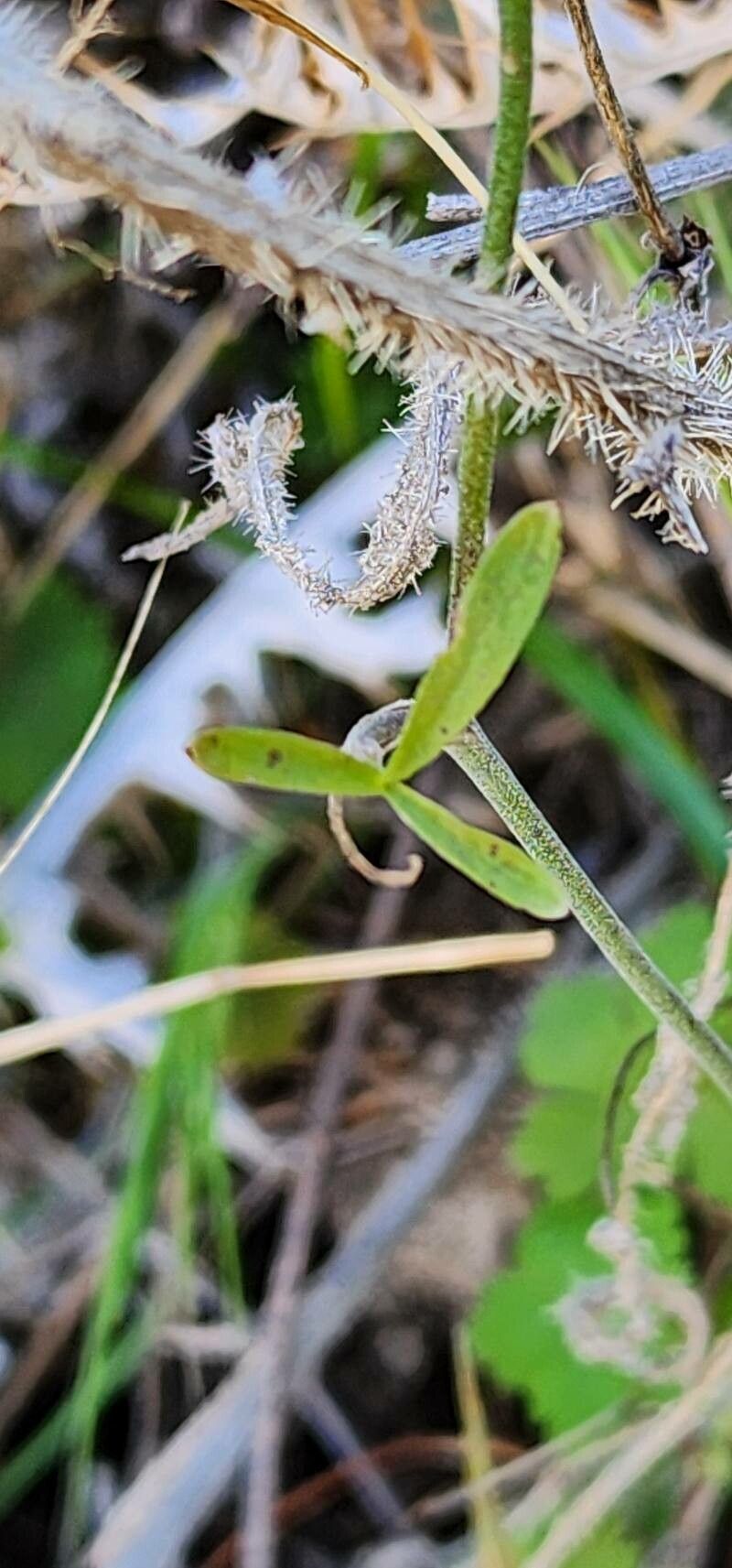
Hello there, fellow garden enthusiasts! I’m so thrilled you’re here today because we’re diving into the world of Delphinium cyphoplectrum. Now, if you’ve ever seen these beauties gracing a garden, you know their sky-blue, almost ethereal presence is something special. They stand tall and proud, a symphony of sapphire that just makes your heart sing. And the best part? You can bring that magic into your own garden by propagating them yourselves! It’s a deeply satisfying process, like nurturing a little piece of heaven from scratch.
Now, I won’t lie. Delphiniums, in general, can be a bit of a particular bunch. Delphinium cyphoplectrum is no exception, but don’t let that deter you! With a little patience and the right approach, you can absolutely succeed, and I’m here to guide you every step of the way.
The Best Time to Start
When it comes to Delphinium cyphoplectrum, timing is everything. The absolute sweet spot for propagating this lovely delphinium is late spring to early summer. This is when the plant is actively growing and has plenty of energy to put into developing new roots. You’ll want to choose young, vigorous stems that are not yet flowering. Think of it as catching them at their peak freshness!
Supplies You’ll Need
Before we get our hands dirty, let’s gather our tools. Having everything ready makes the process so much smoother.
- Sharp Pruning Shears or a Craft Knife: Cleanliness is crucial here to prevent disease.
- Rooting Hormone (Optional but Recommended): This little helper significantly boosts your chances of success. Look for a powder or gel formula.
- Well-Draining Potting Mix: A 50/50 mix of seed starting mix and perlite is excellent. You want good aeration for those developing roots.
- Small Pots or Trays: 3-4 inch pots work beautifully. Make sure they have drainage holes!
- Clear Plastic Bags or Domes: To create a humid microclimate.
- Watering Can with a Fine Rose: Gentle watering is key.
- Labels and a Marker: To keep track of your precious cuttings.
- A Small Shovel or Trowel: For gently handling your new plants.
Propagation Methods
While you can sometimes divide established delphiniums, stem cuttings are my go-to for Delphinium cyphoplectrum. It often yields the best results and allows you to create multiple new plants from a single parent.
Stem Cuttings: My Favorite Approach
-
Take Your Cuttings: Head out to your Delphinium cyphoplectrum in the late spring. Look for healthy, non-flowering shoots that are about 4-6 inches long. Using your clean pruners or knife, make a clean cut just below a leaf node (that little bump where a leaf attaches to the stem). Try to take several cuttings from different parts of the plant.
-
Prepare the Cuttings: Once you have your cuttings, gently remove the lower leaves. You want to expose a few leaf nodes. If the leaves are large, you can even cut the remaining leaves in half to reduce water loss.
-
Apply Rooting Hormone: Dip the cut end of each cutting into your rooting hormone, tapping off any excess. This step really gives them a good start.
-
Plant Your Cuttings: Fill your small pots with your prepared potting mix. Make a little hole in the center with your finger or a pencil. Gently insert the cut end of a prepared cutting into the hole, ensuring at least one of the leaf nodes is buried in the soil. Firm the soil gently around the stem.
-
Create Humidity: Water the soil thoroughly but gently. Then, cover the pot with a clear plastic bag or a propagation dome. This creates a mini-greenhouse effect, keeping the humidity high, which is essential for cuttings to root.
-
Provide Light and Warmth: Place your pots in a location that receives bright, indirect light. Avoid direct sun, as it can scorch the delicate cuttings. A warm spot, perhaps on a heat mat if you have one, will also encourage root development.
The “Secret Sauce” (Pro Tips)
Here are a couple of little tricks I’ve learned over the years that make a real difference with these particular plants:
- The “No Soggy Bottom” Rule: When you water your cuttings, it’s crucial to let excess water drain away. I always make sure my pots have excellent drainage, and if I see water pooling, I’ll tilt the pot to let it run off. Rot is the enemy of cuttings, and a waterlogged environment is prime real estate for it.
- Give Them a Gentle Tug (Eventually!): Resist the urge to constantly pull at your cuttings to check for roots. However, after about 4-6 weeks, you can very gently tug on a cutting. If you feel resistance, congratulations! You’ll have roots. If it pulls out easily, it hasn’t rooted yet. Patience is key here!
Aftercare & Troubleshooting
Once you see signs of rooting – new leaf growth is a great indicator – you can start to acclimate your new Delphinium cyphoplectrum to less humid conditions. Gradually open the plastic bag or dome a little each day over a week or two.
Continue to keep the soil consistently moist but not waterlogged. Once they are well-established and have a good root system (you’ll see roots emerging from the drainage holes), you can transplant them into slightly larger pots or their permanent garden location. Ensure they are in a spot with full sun and well-draining soil.
The most common problem you might encounter is rot. If you see your cuttings wilting, turning black at the base, or looking mushy, it’s likely due to too much moisture and not enough air circulation. Don’t despair; it’s a learning curve! Just start fresh with new cuttings.
A Little Patience Goes a Long Way
Propagating Delphinium cyphoplectrum might take a little practice, but the reward of seeing your own little blue wonders unfurl is absolutely worth it. Be patient with the process, enjoy the gentle rhythm of tending to your cuttings, and celebrate every tiny sign of life. Happy gardening!
Resource:
https://identify.plantnet.org/k-world-flora/species/Delphinium%20cyphoplectrum%20Boiss./data