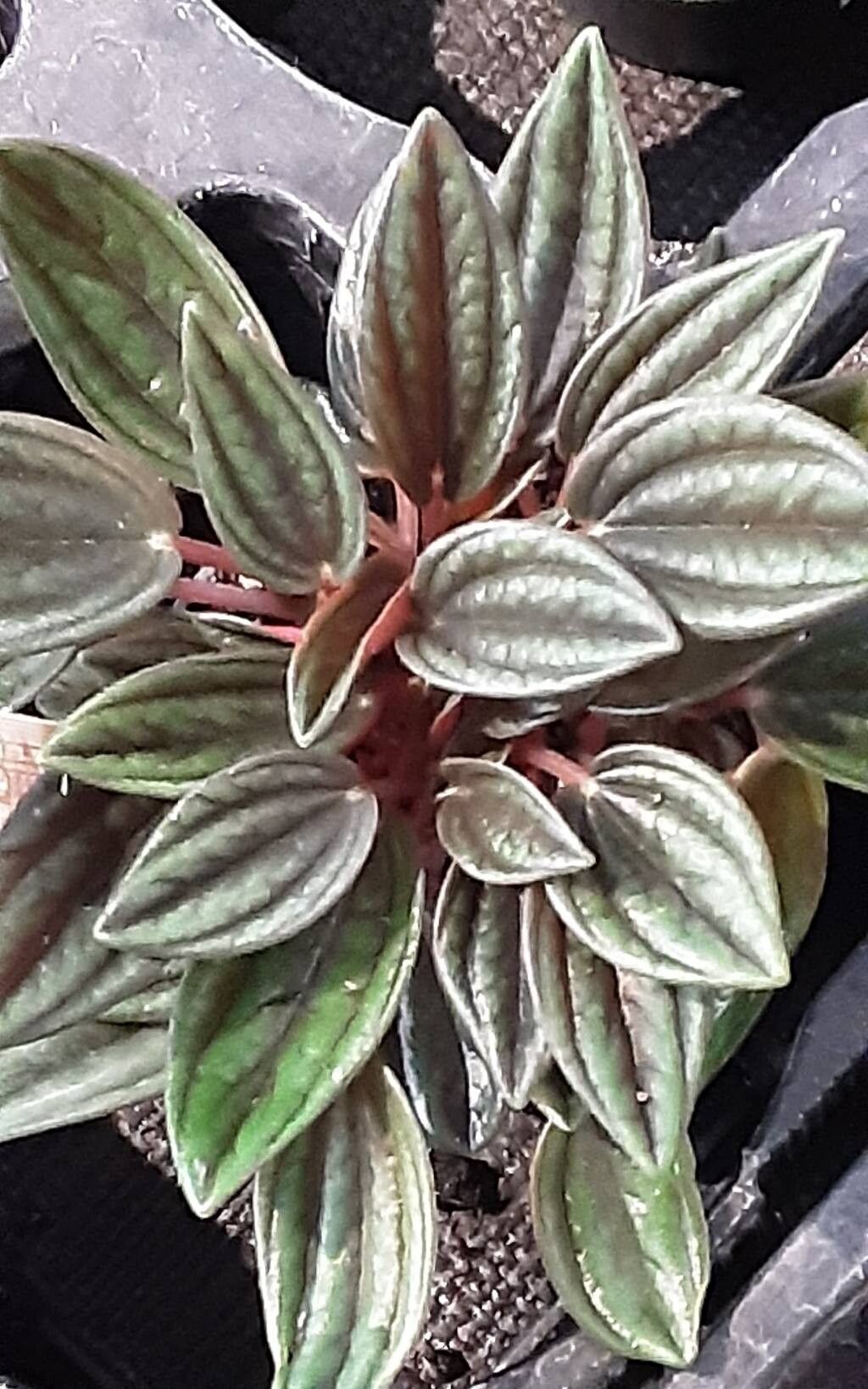
Hey there, fellow plant enthusiasts! If you’ve ever admired the stunning rippled leaves of a Peperomia caperata, you’re not alone. These little beauties, with their deep, velvety textures and architectural charm, are absolute showstoppers. And guess what? Propagating them is a wonderfully rewarding way to multiply that beauty and share it with friends! If you’re wondering if this is a tricky task, I’m happy to tell you that Peperomia caperata is quite forgiving. It’s a great plant for beginners looking to dip their toes into propagation.
The Best Time to Start
Timing is everything, right? For Peperomia caperata, the most opportune time to propagate is during its active growing season. This typically falls in the late spring and through the summer months. When the plant feels robust and energized, it’s more likely to produce healthy cuttings that will root with gusto. You’ll notice new leaves unfurling and overall vigorous growth during this period – that’s your signal!
Supplies You’ll Need
Before we get our hands dirty, let’s gather our tools. Think of this as your propagation toolkit:
- Sharp, clean pruning shears or scissors: A clean cut is crucial to prevent infection.
- Peperomia-friendly potting mix: A well-draining mix is key. I often use a blend of regular potting soil with perlite and a bit of coco coir for aeration.
- Small pots or seedling trays: Whatever you have on hand, as long as they have drainage holes.
- Rooting hormone (optional but helpful): This can give your cuttings a helpful boost.
- Water: For hydration and, in one method, for rooting.
- Clear plastic bag or humidity dome: To create a tiny greenhouse effect.
- Spray bottle: For gentle misting.
Propagation Methods
Here are a couple of reliable ways to bring more Peperomia caperata plants into your life:
Stem Cuttings: A Classic Approach
- Take your cuttings: With your clean shears, snip off a healthy stem that has at least two to three sets of leaves. Make your cut just below a leaf node (where the leaf attaches to the stem). You can even take cuttings that are just a few inches long.
- Prepare the cutting: Gently remove the lower leaves from the bottom inch or so of the stem. This exposes the nodes where roots will emerge. If you’re using rooting hormone, dip the cut end into it now.
- Plant your cuttings: Fill your small pots with your prepared potting mix. Make a small hole in the center with your finger or a pencil. Gently insert the cutting into the hole, ensuring the leaf nodes are below the soil surface. Firm the soil around the stem.
- Water and cover: Water the soil gently until it’s moist but not waterlogged. Then, cover the pot with a clear plastic bag or a humidity dome. This will help keep the humidity high, which is what these cuttings need to thrive. Place it in a bright spot, but away from direct sunlight.
Water Propagation: Watching Roots Appear
- Select and prepare your cuttings: Just like with stem cuttings, choose healthy stems and remove the lower leaves.
- Place in water: Find a small glass or jar and fill it with fresh water. Place the cuttings in the water, making sure that at least one leaf node is submerged. Crucially, ensure no leaves are touching the water surface. Leaves submerged in water tend to rot.
- Find a good spot: Place the jar in a bright location, but out of direct sun.
- Change the water regularly: About once a week, change out the water to keep it fresh and prevent bacteria buildup. You’ll start to see tiny white roots emerging from the nodes within a few weeks. Once the roots are about an inch long, you can transplant them into potting mix as described in the stem cutting method.
The “Secret Sauce” (Pro Tips)
Here are a few little tricks I’ve learned over the years that can make a big difference:
- Don’t overwater your potted cuttings! This is probably the most common mistake. Soggy soil is a fast track to rot. Aim for consistently moist soil, not wet. I like to check the soil moisture by poking my finger in about an inch. If it feels dry, it’s time for a light watering.
- Bottom heat is your friend: If you’re finding your cuttings are taking a while to root, consider placing them on a gentle heat mat. This warmth can really encourage root development, especially if your room temperature is a bit cooler. Just make sure the heat isn’t too intense.
Aftercare & Troubleshooting
Once you see signs of roots – maybe new leaf growth or the cutting is secure when you give it a gentle tug – your little Peperomia is on its way! Gradually acclimate your new plant to normal household humidity by slowly opening the plastic bag or dome over a few days. Continue to water sparingly when the top inch of soil feels dry.
Common signs of failure usually mean something is a bit off with the moisture. If your cutting turns mushy and black, it’s likely due to overwatering and rot. If the leaves start to wilt and dry out, it might be a lack of humidity or insufficient water reaching the roots. Don’t be discouraged if you lose a cutting or two; it happens to all of us! Just learn from it and try again.
A bit of patience goes a long way.
Propagating plants is a journey, and Peperomia caperata is a lovely companion for that adventure. Enjoy the process of watching new life emerge from a simple cutting. Happy propagating!
Resource:
https://identify.plantnet.org/k-world-flora/species/Peperomia%20caperata%20Yunck./data