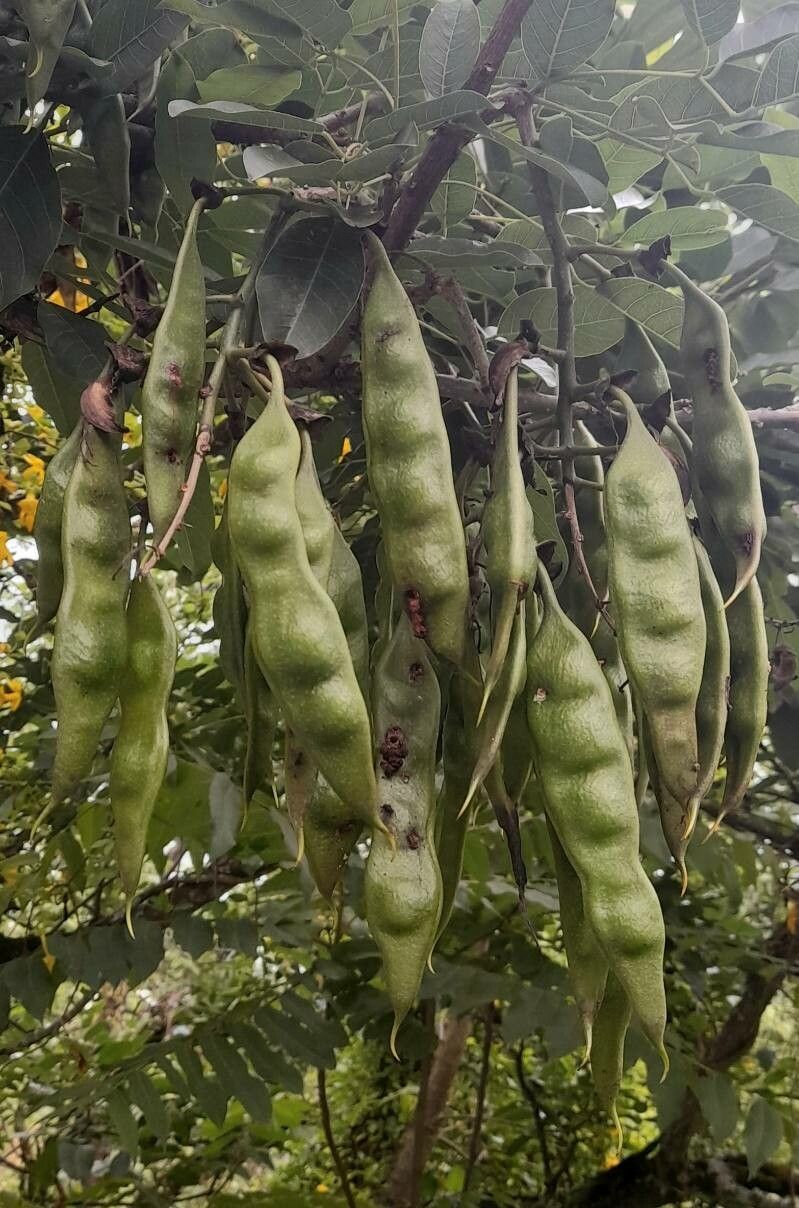
Oh, Erythrina falcata! It’s one of those trees that just stops you in your tracks with its sheer beauty. Those vibrant coral-red blooms cascading down, looking like a fiery waterfall in the garden – it’s truly magnificent. And the best part? You can bring that magic into your own patch by propagating it! It’s an incredibly rewarding experience, watching a tiny cutting or seed transform into a future showstopper. Now, for the good news: while it requires a little attentiveness, propagating Erythrina falcata isn’t an insurmountable challenge, even for those relatively new to the plant propagation game.
The Best Time to Start
For Erythrina falcata, spring is your best friend. As the weather warms up and the plant is just beginning its active growth phase, it has the energy it needs to put out roots and establish itself. Aim to take cuttings when the stems are still relatively supple but have started to firm up a bit – you’re looking for “semi-hardwood” material. This usually means waiting until after the initial flush of very soft new growth has matured slightly.
Supplies You’ll Need
Before you roll up your sleeves, let’s gather our toolkit:
- Sharp, clean pruning shears or a sharp knife: Essential for making clean cuts to prevent disease.
- Rooting hormone powder or gel: This is a significant help in encouraging root formation.
- A well-draining potting mix: I find a blend of equal parts perlite, coarse sand, and good quality potting soil works wonders. You want good aeration.
- Small pots or trays: Clean containers are a must! Yogurt cups with drainage holes poked in the bottom are a surprisingly effective shortcut.
- Plastic bags or a propagator: To create a humid environment.
- Water spray bottle: For keeping things moist.
- Gravel or small stones (optional): For the bottom of pots if drainage is a concern.
Propagation Methods: Stem Cuttings
This is my go-to method for Erythrina falcata, and it’s where you’ll likely see the most success.
- Take Your Cuttings: In spring, select healthy, vigorous stems about pencil thickness. Cut sections that are roughly 6-8 inches long. Make your cut just below a leaf node (where a leaf attaches to the stem) – this is a prime spot for root development.
- Prepare the Cuttings: Remove any leaves from the lower half of the cutting. If the remaining leaves are very large, you can cut them in half to reduce water loss through transpiration.
- Apply Rooting Hormone: Dip the cut end of each stem into your rooting hormone powder or gel. Make sure it’s evenly coated.
- Planting: Fill your pots with the well-draining potting mix. Make a hole in the center with your finger or a pencil. Insert the coated cutting into the hole, ensuring the base is firm in the soil. Gently firm the soil around the cutting.
- Create Humidity: Water the soil gently. Then, cover the pot with a clear plastic bag or place it in a propagator. Make sure the plastic bag doesn’t touch the leaves. Secure it around the rim of the pot to trap moisture.
- Location, Location, Location: Place the pots in a warm, bright spot, but out of direct, harsh sunlight.
The “Secret Sauce” (Pro Tips)
Here are a few tricks I’ve picked up over the years that really give your Erythrina cuttings an edge:
- Don’t let the leaves touch the water: If you’re doing water propagation (which is less successful for this plant, but some try), ensure the leaves are well above the waterline. Rot sets in very quickly if leaves are submerged. For stem cuttings, it’s similar – a leaf sitting on damp soil can invite fungal issues.
- Bottom heat is your friend: If you have a heated propagation mat or can place your pots on a warm surface (like near a sunny window that gets warm), this artificial warmth can significantly speed up root formation. It mimics the ideal conditions for root growth.
- Be patient with the watering: Mist the soil lightly every few days, or whenever it starts to feel dry. You don’t want it soggy, but you also don’t want it bone dry. Checking the soil moisture is key.
Aftercare & Troubleshooting
Once roots have started to form (this can take anywhere from 4-8 weeks, sometimes longer), you’ll see new leaf growth. This is your cue to gradually acclimatize your new plant to normal conditions. Start by opening the plastic bag for a few hours each day, then remove it completely.
The biggest issue you might encounter is rot. If your cutting turns mushy or black, it’s likely succumbed to rot. This usually happens due to overwatering or poor drainage. If you see any signs of this, discard the affected cutting and try again with fresh material and a drier approach. Another sign of trouble is wilting that doesn’t improve with watering; this can also indicate root rot or that the cutting simply didn’t take.
A Encouraging Closing
Propagating plants is a journey, and sometimes it doesn’t work out on the first try. Don’t get discouraged! Each attempt teaches you something new. Be patient, observe your cuttings, and celebrate every little bit of progress. There’s a special joy in nurturing a new plant from such a small beginning. Happy propagating!
Resource:
https://identify.plantnet.org/k-world-flora/species/Erythrina%20falcata%20Benth./data