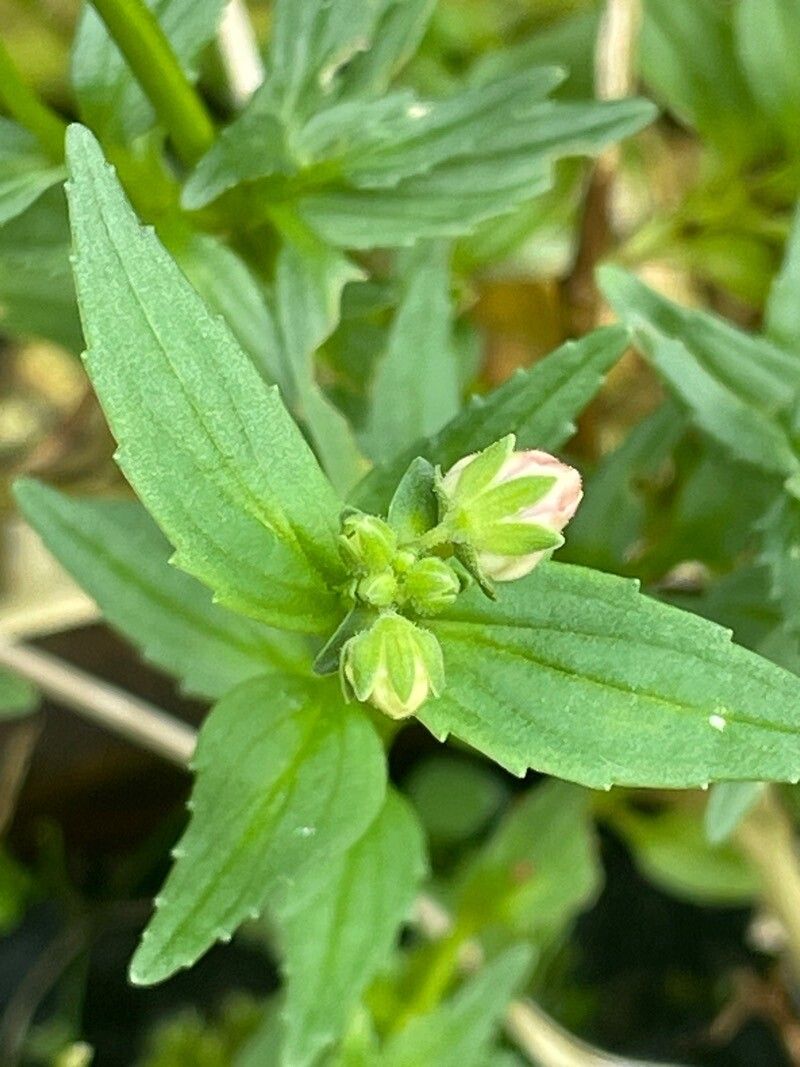
Oh, Nemesia strumosa! If you’ve ever seen those darling little pops of color gracing a garden bed or spilling from a container, you know what I’m talking about. They’re like tiny, cheerful fireworks, aren’t they? With their delicate, often bi-colored blooms and a surprisingly long flowering season, Nemesias bring such a joyful presence to our outdoor spaces. And the best part? Propagating them yourself is a wonderfully rewarding way to multiply that joy without having to buy new plants every year. Don’t worry if you’re new to this; Nemesias are generally a pretty forgiving plant to propagate, making it a great learning experience for beginners.
The Best Time to Start
For the highest success rate, I always aim to take cuttings or start seeds in late spring to early summer. This is when the plant is actively growing and has plenty of healthy, vigorous material to work with. You can also often get a decent start from seed sown directly in the garden after the last frost, but for creating brand new plants that are true to type, cuttings are my go-to.
Supplies You’ll Need
Gathering your supplies ahead of time makes the whole process much smoother. Here’s what I usually have on hand:
- Sharp, clean pruning shears or a sharp knife: Crucial for making clean cuts that heal well.
- Small pots or seed trays: About 3-4 inches in diameter work wonderfully. Make sure they have drainage holes!
- A good quality potting mix: I like a light, well-draining mix. A blend of peat moss, perlite, and a bit of compost works beautifully. Some people swear by a seed-starting mix, which is also a great option.
- Rooting hormone (optional but recommended): This can give your cuttings a significant boost and speed up root development.
- A spray bottle: For misting your cuttings and keeping the humidity up.
- Plastic bags or a propagator: To create a humid environment for your cuttings.
- A shallow tray or containers: If you opt for water propagation.
Propagation Methods
While Nemesias are often grown from seed, propagating from cuttings is a fantastic way to ensure you get more of those specific colors and forms you love.
Stem Cuttings: My Favorite Approach
This is usually my preferred method for Nemesias. It’s efficient and yields robust new plants.
- Select your source plant: Choose a healthy, non-flowering shoot on your mature Nemesia. Look for stems that are somewhat firm but still a little flexible – not woody, but not brand new and floppy either.
- Take the cutting: Using your clean pruners or knife, make a cut just below a leaf node (where a leaf attaches to the stem). Aim for cuttings that are about 3-4 inches long.
- Prepare the cutting: Gently remove the lower leaves. You want to expose a few leaf nodes to encourage root growth. You can leave one or two sets of leaves at the top, but if they are very large, you can trim them in half to reduce water loss.
- Apply rooting hormone (if using): Dip the cut end of the stem into your rooting hormone powder, tapping off any excess.
- Pot them up: Fill your small pots with your prepared potting mix. Make a small hole in the center of the soil with your finger or a pencil. Gently insert the cut end of the Nemesia cutting into the hole, ensuring at least one leaf node is buried in the soil. Firm the soil gently around the base of the cutting.
- Water gently: Water the soil thoroughly but gently, so as not to disturb the cutting.
- Create humidity: Place a clear plastic bag loosely over the pot, or put the pot inside a propagator. This will create a humid environment that helps prevent the cuttings from drying out. You can also mist the leaves lightly with your spray bottle.
- Find a bright spot: Place the pots in a location that receives bright, indirect light. Avoid direct sun, which can scorch the delicate cuttings.
Water Propagation: A Simple Alternative
If you’re curious and want to see the roots develop, water propagation is a fun method.
- Take cuttings: Prepare your cuttings just as you would for stem propagation, making sure to remove the lower leaves.
- Place in water: Put the cuttings into a small glass or jar filled with clean water. Ensure that no leaves are submerged in the water, as this can lead to rot. The leaf nodes that are removed should be the ones that sit just above the water line.
- Change the water: Change the water every few days to keep it fresh and prevent bacterial growth.
- Watch for roots: With a bit of luck and warmth, you should start to see tiny white roots forming from the submerged nodes within a couple of weeks.
- Pot them up: Once the roots are about an inch long, you can carefully pot them up into small pots with your potting mix, treating them like established cuttings.
The “Secret Sauce” (Pro Tips)
Here are a couple of little tricks I’ve picked up over the years that can really help your Nemesia cuttings take off:
- Bottom Heat is Your Friend: If you have a heat mat or can place your pots on top of a warm appliance (like a router or a gently warm windowsill that doesn’t get direct sun), it can significantly speed up root development. Roots love to grow in warmth!
- Don’t Overwater, but Don’t Let Them Dry Out: This is a delicate balance with cuttings. The soil should be consistently moist, but never waterlogged. If you’re unsure, feel the weight of the pot. A light pot means it’s drying out. A heavy pot might be too wet. Err slightly on the side of caution – it’s easier to add a little water than deal with rot.
- Patience is a Virtue (and a Gardener’s Tool): Sometimes, cuttings take longer to root than you expect. Don’t despair if you don’t see roots immediately. Keep them in their bright, humid spot and continue to check the soil moisture. Gently tugging on a cutting is a sign of callousing, not necessarily rootedness. The real test is when you start to see new top growth!
Aftercare & Troubleshooting
Once your Nemesia cuttings have developed a good root system (you’ll often see roots emerging from the drainage holes, or feel a gentle resistance when you lightly tug on the cutting), they are ready for a bit more freedom.
- Gradual Acclimatization: If your cuttings have been under a plastic bag or in a propagator, gradually remove the cover over a few days. This helps them adjust to the drier air.
- Move to Larger Pots: Once they can handle the open air, you can pot them up into slightly larger pots with your regular potting mix if they’ve outgrown their starter pots.
- Regular Watering: Continue to water them regularly, allowing the top inch of soil to dry out between waterings.
- Feed Them: Once they’ve been repotted and are actively growing, you can start feeding them with a diluted liquid fertilizer every few weeks.
Now, what if things go wrong? The most common issue is rot. This usually happens when cuttings are kept too wet and don’t have enough air circulation. You’ll see the stem turn mushy and brown, or the leaves will wilt and blacken despite being in moist soil. If you spot rot, it’s usually best to discard the affected cutting to prevent it from spreading. Often, it’s just one or two that succumb, and the rest will go on to thrive. Another sign of failure is a cutting that simply stays limp and doesn’t show any signs of rooting or new growth after several weeks. This can happen if the cutting wasn’t healthy to begin with, or if conditions weren’t quite right. Don’t be too disheartened! Every gardener loses some cuttings; it’s a learning process.
A Encouraging Closing
Propagating Nemesias is a truly satisfying experience. Watching those tiny cuttings transform into blooming plants, knowing you coaxed them into existence yourself, is such a special feeling. Be patient with the process, enjoy the journey of nurturing these little bits of life, and soon you’ll have a whole garden bursting with your own beautiful Nemesias! Happy propagating!
Resource:
https://identify.plantnet.org/k-world-flora/species/Nemesia%20strumosa%20Benth./data