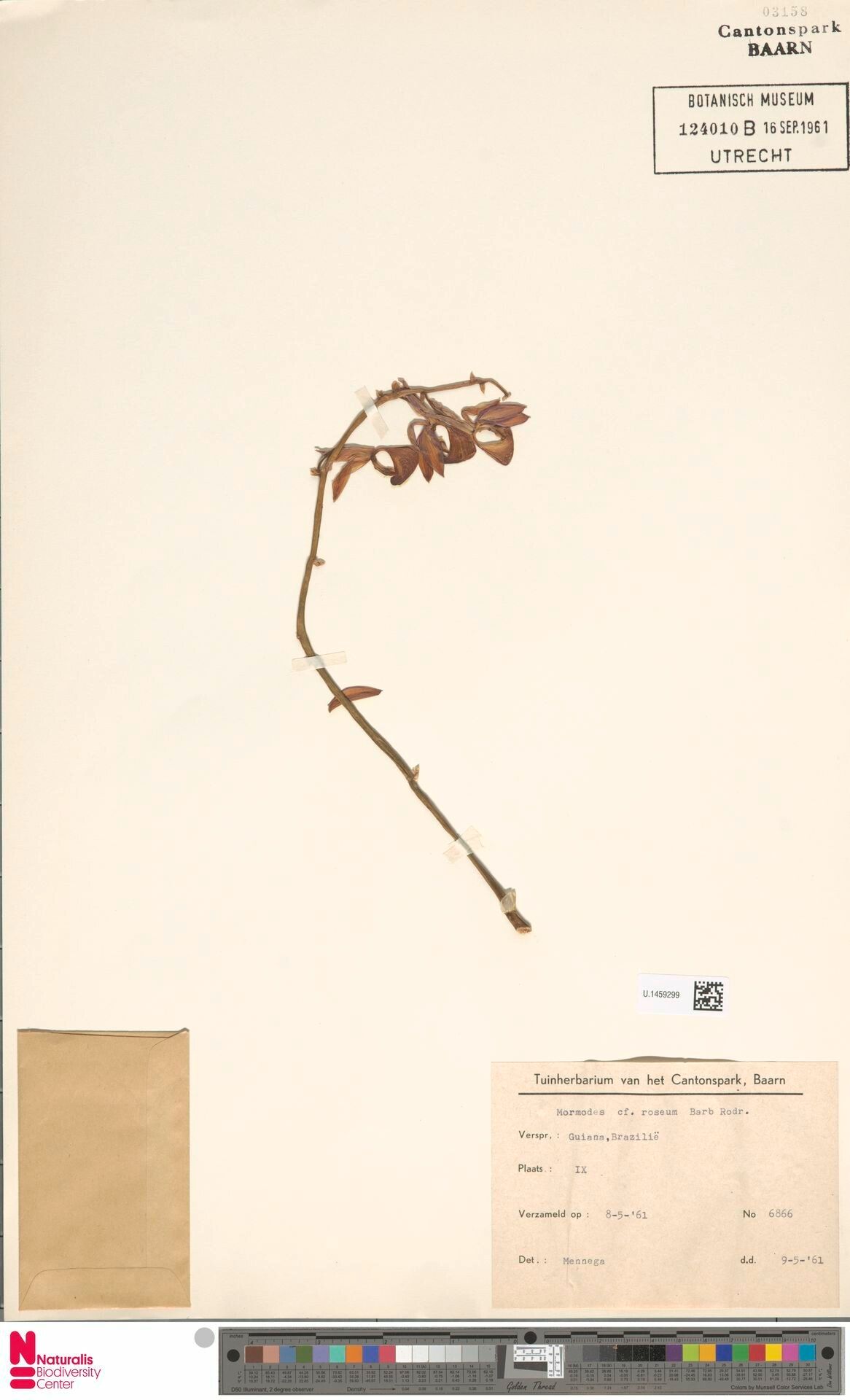
Oh, the Mormodes rosea! If you’ve ever seen one of these beauties in bloom, you know that captivating, almost velvety texture of its flowers and that delightful fragrance that fills the air. It’s truly a showstopper in any orchid collection. And the wonderful thing about propagating orchids like the Mormodes rosea is that you get to extend that joy, creating more of these elegant plants for yourself or to share with fellow garden enthusiasts. While Mormodes can be a bit more of a special undertaking than, say, a pothos, I find them surprisingly rewarding to propagate with a little know-how. Don’t be intimidated; think of it as a delightful challenge!
The Best Time to Start
When it comes to Mormodes rosea, spring is generally your prime time. This is when the plant is typically entering a period of active growth after its rest. You’ll often see new pseudobulbs emerging or the start of new leaf growth. Propagating when the plant is naturally inclined to grow is your best bet for success. You want to work with the plant’s natural rhythm, not against it.
Supplies You’ll Need
To get your Mormodes rosea propagation project off to a good start, gather these essentials:
- Sharp, sterilized pruning shears or a clean knife: Essential for making clean cuts. Sterilize with rubbing alcohol between cuts.
- Orchid bark mix: A well-draining substrate is key. Look for a mix specifically formulated for orchids, or create your own with bark chips, perlite, and a bit of charcoal.
- Horticultural charcoal: Helps keep the potting medium sweet and prevents bacterial growth.
- Sphagnum moss (optional, but helpful): Can retain a bit of moisture without becoming waterlogged.
- Small pots or containers: Clean, with good drainage holes. Terra cotta pots are my personal favorite for orchids.
- Clear plastic bags or a humidity dome (optional): To help maintain humidity around cuttings.
- Rooting hormone (optional): Some growers swear by it, especially for trickier propagations. Look for one formulated for orchids.
- Warm water: For any cleaning or soaking steps.
- Patience! This is a crucial tool for any gardener.
Propagation Methods
Mormodes rosea is most commonly propagated through division when the plant is healthy and has multiple pseudobulbs. This is the most reliable method for home growers.
Division Method:
- Gently remove the plant from its pot. If it’s stuck, you might need to gently tap the sides of the pot or carefully slide a knife around the edge.
- Clean off the old potting mix. You can do this by gently rinsing the root ball under cool water. This helps you see the structure of the plant better and identify where you can make divisions.
- Inspect the pseudobulbs. Look for divisions that have at least two to three healthy pseudobulbs and a good amount of root attachment. You want to ensure each new division has enough stored energy to support itself.
- Make the cut. Using your sterilized pruning shears or knife, make a clean cut between the divisions. Work carefully to avoid damaging the roots as much as possible. The goal is to create separate, viable plants.
- Allow the cuts to callus. This is a critical step for preventing rot! Place the divided sections in a dry, well-ventilated spot for 24-48 hours. You want the cut surfaces to dry and form a protective “scab.”
- Pot the new divisions. Plant each division in its own pot filled with fresh orchid bark mix. Make sure the pseudobulbs are sitting at the surface of the mix, not buried too deeply.
- Water lightly. Don’t drench them. A light watering to settle the mix is all that’s needed initially.
The “Secret Sauce” (Pro Tips)
Here are a couple of things I’ve learned over the years that can really give your Mormodes propagation a boost:
- Don’t be afraid of a little bit of old root. While we want to clean off the old mix, sometimes leaving a small amount of healthy, old root attached to a division can provide a bit of an anchor and help the plant establish itself faster. It’s like giving it a little head start.
- Consider “top watering” only for the first few weeks. Especially with newly divided plants, overwatering is a quick way to invite rot. I find that gently watering from the top, allowing excess to drain immediately, gives me more control over moisture levels. Only water when the potting mix is starting to feel dry.
Aftercare & Troubleshooting
Once your Mormodes rosea divisions are potted, give them a spot with bright, indirect light and good air circulation. Avoid direct sunlight, as it can scorch their leaves. Initially, you might mist the leaves occasionally to keep them hydrated, but focus on letting the potting mix dry out between waterings.
The biggest challenge you’ll encounter is rot. If you see mushy, blackening pseudobulbs or roots, it’s usually a sign of too much moisture. In this case, you may need to unpot the division, cut away the rotted parts with your sterilized tool, and repot in fresh, dry mix. Sometimes, it’s a tough lesson, but it’s all part of the learning process! If you see new root nubs appearing, that’s a fantastic sign your division is happy and settling in.
A Encouraging Closing
Propagating Mormodes rosea is a journey, and like all good gardening endeavors, it requires a bit of patience. Don’t get discouraged if your first attempt isn’t a runaway success. Each plant and each situation is a little different. Celebrate the small victories – a new leaf, a developing root. Enjoy the process of nurturing these beautiful orchids into new life. Happy growing!
Resource:
https://identify.plantnet.org/k-world-flora/species/Mormodes%20rosea%20Barb.Rodr./data