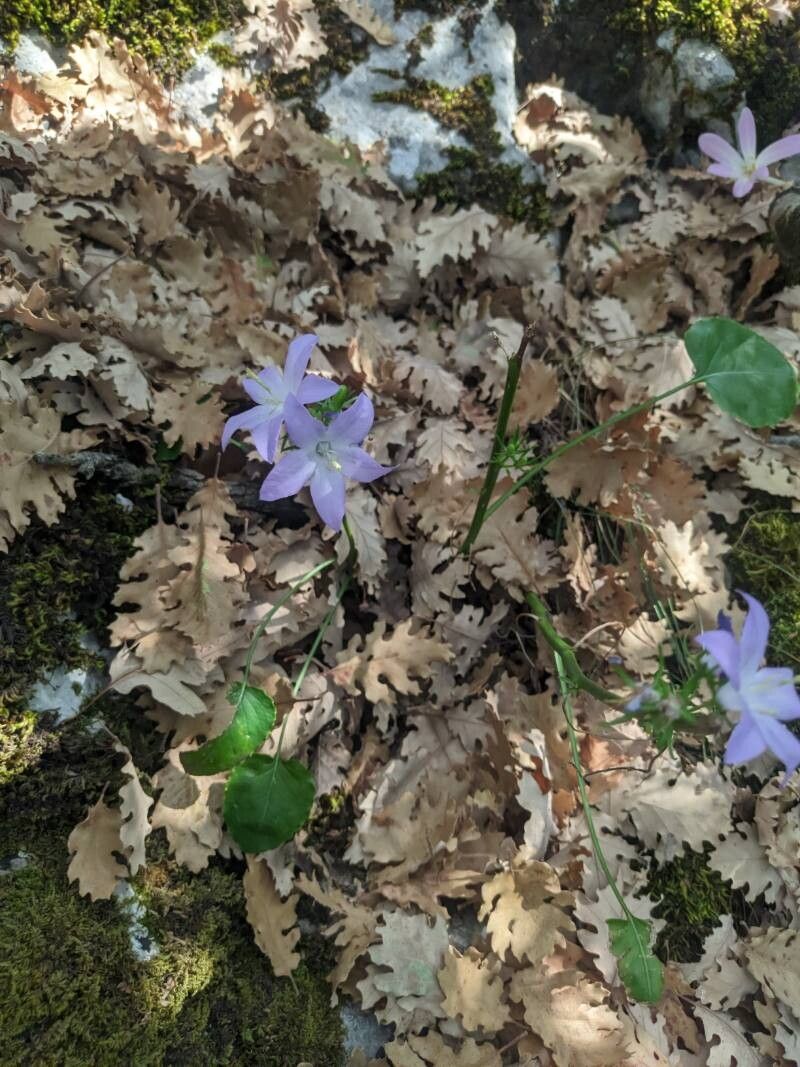
Oh, hello there! It’s so lovely to have you join me. Today, we’re diving into the wonderful world of Campanula austroadriatica, or as I affectionately call them in my garden, those delightful little bellflowers. If you’ve ever been captivated by their delicate, cascading blooms and wondered how to get more of them, you’re in the right place! Propagating these beauties is not only a fantastic way to expand your collection (or share with friends – a true gardener’s joy!), but it also gives you a real sense of accomplishment. While they might seem a touch finicky, with a little know-how, you’ll find propagating Campanula austroadriatica to be quite achievable, even for those of you still building your confidence in the garden.
The Best Time to Start
Timing truly is everything when it comes to coaxing new life from your plants. For Campanula austroadriatica, the sweet spot is usually late spring to early summer. My personal preference is right after they’ve finished their initial flush of blooming. This is when the plant is actively growing and has plenty of energy to put into developing new roots. Waiting until this point helps ensure you’re taking cuttings from healthy, vigorous stems.
Supplies You’ll Need
Don’t let a long list scare you! Most of these are garden staples:
- Sharp pruning shears or a clean utility knife: For making precise cuts.
- Rooting hormone (powder or gel): This is optional but highly recommended for an extra boost.
- A well-draining potting mix: A blend of peat moss, perlite, and a bit of sand works beautifully. You can also use a good seed-starting mix.
- Small pots or trays: Clean containers are key to preventing disease.
- A plastic bag or propagator lid: To create a humid environment.
- Watering can or spray bottle: For gentle moisture.
- Labels: To remember what you planted and when!
Propagation Methods
Let’s get our hands dirty! I find stem cuttings to be the most reliable method for Campanula austroadriatica, though division can also work if you have an established clump.
Stem Cuttings:
- Select your stems: Gently examine your plant and select healthy, non-flowering stems that are about 4-6 inches long. Look for stems that are firm but not woody.
- Make the cut: Using your clean shears or knife, make a clean cut just below a leaf node. A leaf node is where a leaf attaches to the stem – this is where roots are most likely to form.
- Prepare the cutting: Carefully remove the lower leaves from the cutting, leaving just 2-3 sets of leaves at the top. This prevents them from rotting once planted.
- Apply rooting hormone (optional but recommended): Dip the cut end into your rooting hormone, tapping off any excess.
- Plant your cuttings: Fill your small pots with your prepared potting mix. Make a small hole with your finger or a pencil, and gently insert the cutting. Firm the soil gently around the base to ensure good contact.
- Water and cover: Water thoroughly but gently. Then, cover the pot with a clear plastic bag or a propagator lid to maintain high humidity. This is crucial!
Division (for established plants):
If you have a larger, mature clump, division is a great option.
- Gently lift the plant: In early spring or fall when the plant is dormant, carefully dig around the base of the clump and lift it out of the ground.
- Separate the sections: Gently shake off excess soil. You should be able to see natural divisions with roots and shoots. Carefully pull or cut apart these sections with your hands or a clean knife.
- Replant: Plant each division into its new spot or pot with fresh, well-draining soil. Water well.
The “Secret Sauce”
Here are a couple of little tricks I’ve learned over the years that make a big difference:
- Bottom heat is your friend: If you have the option, placing your potted cuttings on a heated propagator mat can significantly speed up root development. Those little roots just love a bit of warmth from below!
- Don’t overcrowd the light: When you’ve covered your cuttings, make sure the plastic bag or lid doesn’t press directly on the leaves. Good air circulation around the foliage helps prevent fungal issues. I often prop up the bag with a small stick or two.
Aftercare & Troubleshooting
Once your cuttings are planted, think of them as little newborns needing consistent care.
- Humidity is key: Keep that plastic bag or propagator lid on, and check the moisture daily. The soil should feel consistently moist but not waterlogged. Gently mist if the surface looks dry.
- Light: Place your pots in a bright location, but out of direct, harsh sunlight. A bright window or under grow lights is ideal.
- Rooting time: Be patient! It can take anywhere from 3-6 weeks for roots to form. You’ll know they’re ready when you can feel a gentle tug when you try to pull on a cutting, or if you see new leaf growth appearing.
- Troubleshooting: The most common issue is rot. If you see stems turning soft and mushy, or leaves wilting and turning black, it’s usually a sign of too much moisture and not enough air circulation. Sometimes, you can salvage a cutting by trimming away the rotted part and replanting it in fresh, drier mix, but often it’s best to start again with healthier cuttings.
A Cheerful Closing
Seeing those tiny roots emerge is one of the most satisfying moments in gardening, wouldn’t you agree? Don’t be discouraged if your first attempts aren’t perfect. Each season offers new lessons, and with a bit of patience and practice, you’ll be coaxing those beautiful bellflowers into existence in no time. Enjoy the journey, and happy propagating!
Resource: