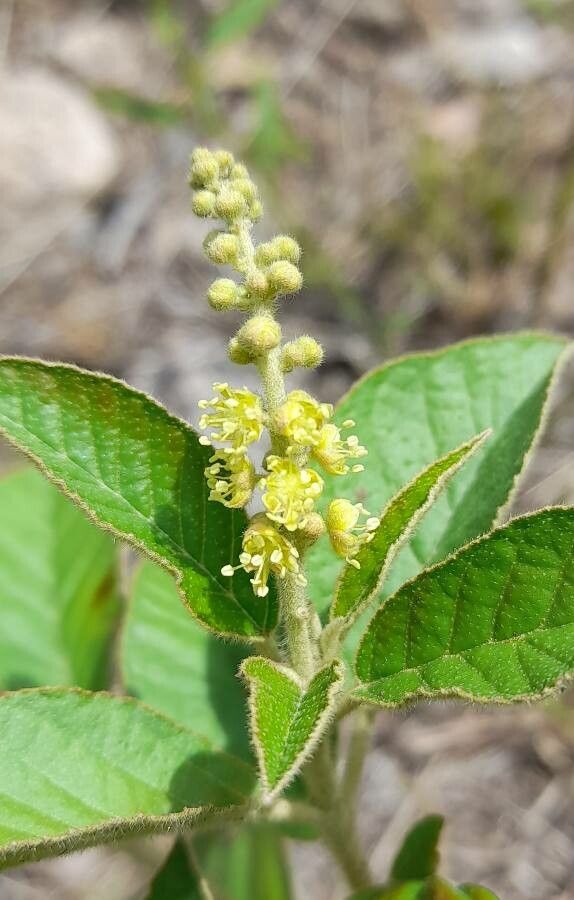
Well hello there, fellow plant enthusiast! It’s so lovely to chat with you today from my little patch of green. If you’re anything like me, you’ve probably fallen head-over-heels for the vibrant, almost painterly foliage of Croton fulvus. Those fiery reds, sunset oranges, and sunny yellows splashed across their leaves are just stunning, aren’t they? And the best part? You can easily fill your home, or your friends’ homes, with these beauties by propagating them yourself!
Now, some people say Crotons can be a tad fussy, and I won’t lie, they can be a little particular. But don’t let that deter you! Propagating them is absolutely rewarding. It’s like watching magic happen right before your eyes, and knowing you brought a new life into this world from a single cutting? Priceless. For beginners, it might present a little challenge, but with a few pointers, I’m confident you’ll do wonderfully.
The Best Time to Start
Honestly, the spring and early summer months are your golden ticket for propagating Croton fulvus. This is when the plant is in its most vigorous growth phase. New shoots are bursting, sap is flowing strong, and cuttings taken during this time have the best chance of rooting quickly and successfully. Think of it as their prime time for growth and regeneration – they’re just bursting with energy!
Supplies You’ll Need
Gathering your supplies beforehand makes the whole process so much smoother. Here’s what I always have on hand:
- Sharp, clean pruning shears or a knife: Essential for making clean cuts that heal well.
- Rooting hormone powder (optional, but recommended): Helps to encourage faster and stronger root development. Look for one that’s formulated for cuttings.
- Well-draining potting mix: A good quality indoor plant mix is fine, but I often add extra perlite or coarse sand for even better drainage. Some gardeners swear by a mix of peat moss, perlite, and sand.
- Small pots or propagation trays: Clean pots are key to preventing disease. Small ones work perfectly for cuttings.
- A watering can with a fine rose or a spray bottle: For gentle watering and misting.
- Clear plastic bags or a propagation dome: To create a humid microclimate for your cuttings.
- A warm location: Cuttings love a little warmth to get their roots going.
- Activated charcoal (optional): A tiny pinch in the bottom of your pots can help keep things fresh and prevent rot.
Propagation Methods
My absolute favorite and most successful method for Croton fulvus is taking stem cuttings. It’s straightforward and yields great results.
Stem Cuttings:
- Select your stem: Look for a healthy, semi-hardwood stem. This means it’s not brand new and floppy, but also not old and woody. Aim for a stem that’s about 4-6 inches long.
- Make the cut: Using your sharp, clean pruning shears or knife, make a clean cut just below a leaf node (the point where a leaf attaches to the stem). This is where new roots are most likely to form. Discard the very tip of the growth if it’s very soft.
- Prepare the cutting: Gently remove the lower leaves, leaving just a few at the top. If the remaining leaves are very large, you can cut them in half. This reduces water loss from the leaves while the cutting is trying to root.
- Apply rooting hormone (if using): Dip the cut end of the stem into the rooting hormone powder, tapping off any excess.
- Plant the cutting: Fill your small pot with your well-draining potting mix. Make a small hole with your finger or a pencil and gently insert the cutting, ensuring at least one leaf node is buried in the soil. Firm the soil gently around the stem.
- Water and cover: Water the soil gently until it’s evenly moist, but not waterlogged. Then, cover the pot with a clear plastic bag or place it in a propagation dome. This creates that essential humid environment. You can secure the bag with a rubber band around the rim of the pot.
The “Secret Sauce” (Pro Tips)
Here are a few things I’ve learned over the years that can really make a difference:
- The sap is sticky! Croton fulvus produces a milky sap when you cut it. Wash your hands and tools immediately after handling, as this sap can be an irritant to some people and can make a mess. Some gardeners even lightly rinse the cut end under cool water for a minute to stop the sap from oozing so much before applying hormone and planting.
- Bottom heat is your friend. Crotons are tropical plants at heart. Placing your pots on a heat mat designed for seedlings can significantly speed up root formation. It’s not strictly necessary, but it gives them that extra boost!
- Don’t let those leaves touch the soil or water. If you’re trying water propagation (though I find stem cuttings more reliable for Crotons), make sure none of the leaves are submerged. They will rot very quickly and potentially take your cutting down with them.
Aftercare & Troubleshooting
Once your cutting is planted, place it in a warm spot with bright, indirect light. Avoid direct sunlight, which can scorch those delicate new leaves.
Watering is key: Keep the soil consistently moist but never soggy. Check the soil moisture daily by poking your finger down an inch. Mist the leaves occasionally if you’re not using a full dome, just to keep humidity up.
You’ll know your cutting is rooting when you see new leaf growth or it resists gently when tugged. This can take anywhere from 4-8 weeks, so patience is a virtue here! Once you see good root development – you might even see roots peeking out the bottom of the pot – you can gradually remove the plastic covering over a few days to acclimate it to normal room humidity. Then, you can pot it up into a slightly larger pot with fresh potting mix.
Troubleshooting: The most common issue you’ll face is rot. If your cutting looks mushy or black at the base, or the leaves are yellowing and falling off rapidly and uniformly, it’s likely rotting. This is usually due to overwatering or poor drainage. If you suspect rot, pull the cutting out, examine the base. If it’s mushy, it’s usually a goner. You might be able to save a portion if the rot hasn’t spread too far up the stem.
A Encouraging Closing
Propagating plants, especially those with such spectacular good looks as Croton fulvus, is one of the purest joys of gardening. It’s a testament to the resilience and wonder of nature. Don’t be discouraged if your first attempt isn’t perfect. Each cutting is a learning experience. Just keep trying, enjoy the process, and before you know it, you’ll be surrounded by your own vibrant Croton creations! Happy propagating!
Resource:
https://identify.plantnet.org/k-world-flora/species/Croton%20fulvus%20Mart./data