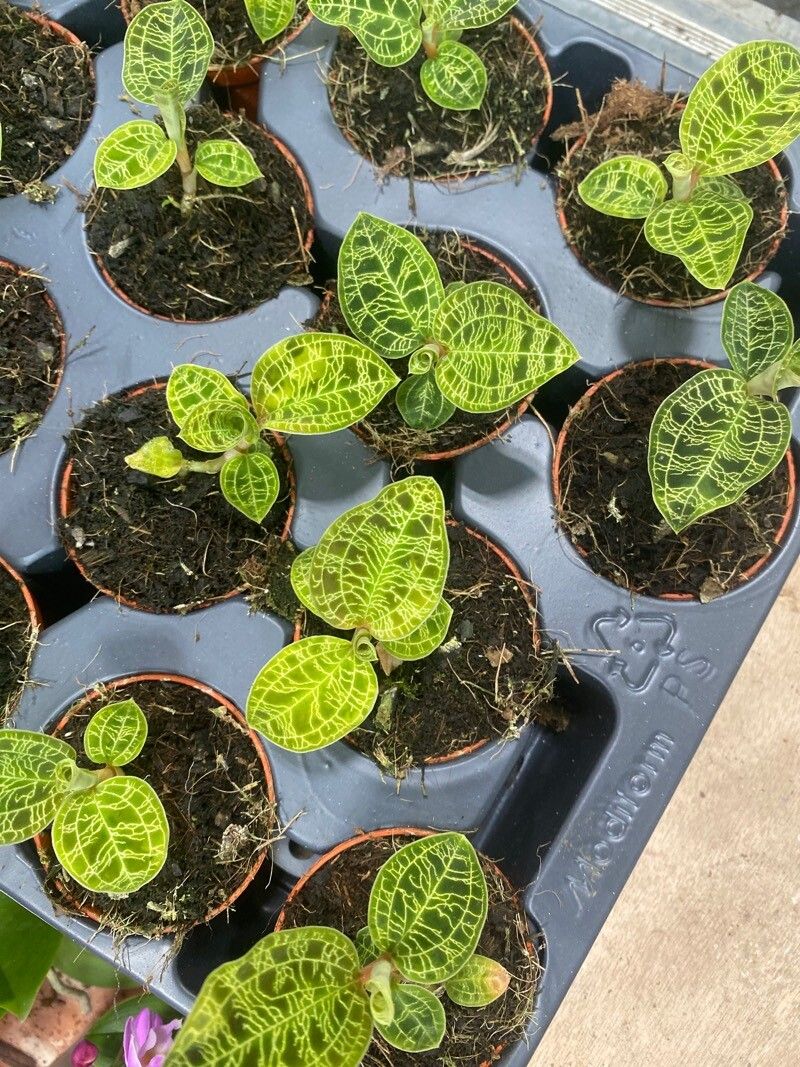
Hello, fellow plant enthusiasts! Today, I want to talk about a truly special plant, one that brings a little bit of magic into any home: Macodes petola, or as many of us affectionately call it, the Jewel Orchid. Its velvety leaves, crisscrossed with veins that gleam like molten gold, are simply mesmerizing. And the best part? You can easily make more of these beauties yourself! Propagating Macodes petola is a wonderfully rewarding experience, and while it has a reputation for being a little fussy, I promise you, with a few gentle pointers, it’s very achievable. Don’t let any mystique surrounding it deter you.
The Best Time to Start
My top recommendation for when to propagate Macodes petola is during its active growing season. For most of us, this means late spring through summer. You’ll notice your plant is putting out new growth, its leaves look plump and vibrant, and it’s generally feeling energetic. This is when it has the most reserves to dedicate to growing new roots. Trying to propagate when the plant is dormant will be a much slower, and often less successful, endeavor.
Supplies You’ll Need
Before you get your hands dirty, gather these essentials:
- Sharp, clean pruning shears or a razor blade: To make clean cuts, which are crucial.
- Well-draining potting mix: I love a blend of peat moss or coco coir, perlite, and a bit of orchid bark. You want something airy that dries out nicely.
- Small pots or propagation trays: Clean ones are a must to prevent disease.
- Rooting hormone (optional but recommended): A powder or liquid can give your cuttings a helpful boost.
- Clear plastic bag or propagation dome: This will create a humid microclimate for your cuttings.
- Sphagnum moss or perlite: For creating a humid environment if you’re not using soil.
- Spray bottle: For keeping things moist.
Propagation Methods
Macodes petola is most commonly and successfully propagated through stem cuttings or by dividing the plant.
Stem Cuttings: A Budding Success
This is my go-to method. It’s relatively straightforward and yields good results.
- Find a healthy stem: Look for a healthy, mature stem on your Macodes petola that has at least two or three leaf nodes. These are the points on the stem where leaves grow.
- Make the cut: Using your sharp shears or razor blade, cut the stem just below a leaf node. Aim for a cutting that’s about 3-4 inches long. Discard the very tip if it looks soft or underdeveloped.
- Prepare the cutting: Gently remove the bottom-most leaf. This is important because if it wilts and decays while buried, it can lead to rot. If you’re using rooting hormone, dip the cut end of the stem into the powder or liquid, tapping off any excess.
- Plant your cutting: You have a couple of options here.
- In soil: Fill your small pot with your well-draining mix. Make a hole with your finger or a pencil and insert the cut end of the stem, ensuring at least one leaf node is buried. Firm the soil gently around the stem.
- In moss/perlite: Moisten sphagnum moss or perlite thoroughly until it’s damp but not dripping. Place the cut end of the stem into the moss or perlite, again ensuring a node is in contact.
- Create a humid environment: Water your medium lightly if you chose soil. Then, tent a clear plastic bag over the pot or place it under a propagation dome. This traps moisture and creates the humid conditions Jewel Orchids adore. You can also just mist the cuttings regularly if you don’t have these.
Division: Sharing the Wealth
If your Macodes petola has become a bit crowded or you spot new shoots emerging from its base, division is a great way to get more plants and refresh your original one.
- Gently remove the plant: Carefully take your Macodes petola out of its pot.
- Inspect the roots: Turn the root ball over and gently tease away some of the old soil. You’re looking for natural division points where you can see separate crown or root systems.
- Separate the divisions: Using your fingers or clean pruning shears, gently pull or cut apart the plant into smaller sections. Each division should have healthy roots and at least one or two leafy shoots. Remove any damaged or mushy parts.
- Pot them up: Pot each division into its own small pot filled with your well-draining mix, treating them like established plants. Water them in well.
The “Secret Sauce” (Pro Tips)
Here are a couple of things I’ve learned over the years that make a big difference:
- Don’t let the leaves touch the water: If you’re opting for water propagation (less common for Macodes but possible for pieces with rhizomes), this is key. Any leaf submerged will rot. I tend to stick to soil or moss for Macodes; it feels more natural for them.
- Bottom heat is your friend: Jewel orchids really appreciate a little warmth from below, especially when rooting. Placing your propagation pots on a seedling heat mat set to a low temperature (around 70-75°F) can significantly speed up root development.
Aftercare & Troubleshooting
Once your cuttings have roots (you can gently tug on them to feel resistance, or if you’re lucky, you might see them through the drainage holes!), you can ease them out of their humid enclosure a bit. Gradually reduce the humidity over a week or two to acclimatize them to normal room conditions. Continue to keep their soil consistently moist but not waterlogged.
The most common problem you’ll encounter is rot. This usually happens when the cuttings are kept too wet without enough air circulation, or if a leaf decays on the soil. If you see a cutting turning brown and mushy, it’s usually a sign of rot, and sadly, it’s best to discard it. Don’t get discouraged; it’s a learning process. Another sign something isn’t quite right is if the leaves start to wilt and yellow without any signs of new growth. This could indicate insufficient humidity or a lack of roots.
A Gentle Encouragement
Propagating Macodes petola is a journey of patience and observation. Don’t be disheartened if your first attempt isn’t a runaway success. Each cutting, each division, is a chance to learn a little more about what these exquisite plants need. Enjoy the process, celebrate every tiny root that emerges, and soon you’ll have a whole collection of these golden-veined wonders to share! Happy gardening!
Resource:
https://identify.plantnet.org/k-world-flora/species/Macodes%20petola%20(Blume)%20Lindl./data