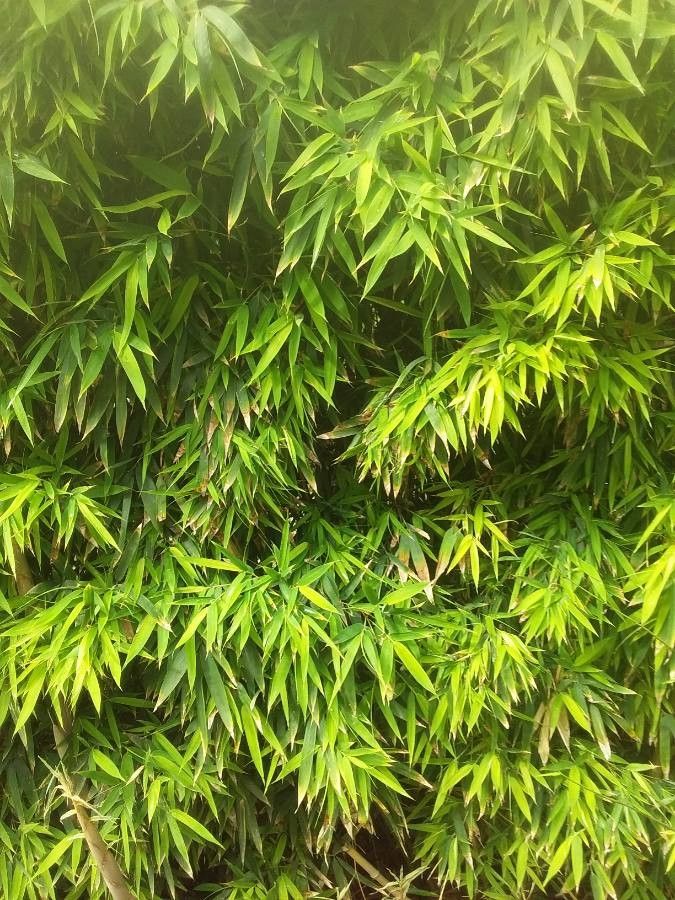
Oh, hello there! Come on in, grab a mug. I’m so glad you’re interested in Bambusa arundinacea, or as I affectionately call her, “Alex.” This gorgeous bamboo can add such a stunning architectural element to any garden. Her large, elegant leaves and upright growth habit are just incredibly charismatic. Plus, there’s something incredibly satisfying about taking one beautiful plant and growing several more from it. It feels like unlocking a little garden magic, doesn’t it? Now, Alex can be a little bit fussy for absolute beginners, but with a few pointers, you’ll be well on your way. Don’t let that deter you – it’s a wonderful learning opportunity!
The Best Time to Start
For Bambusa arundinacea, the sweet spot for propagation is definitely during the active growing season. I find late spring or early summer to be absolutely perfect. The plant is bursting with energy, and whatever cuttings or divisions you take will be eager to establish themselves. You want to catch it when it’s putting on new shoots, not when it’s looking a bit tired at the end of the season.
Supplies You’ll Need
We don’t need a ton of fancy gear, just a few essentials.
- Sharp Pruning Shears: Cleanliness is key here to prevent diseases.
- A Small Shovel or Trowel: For dividing rhizomes.
- Well-Draining Potting Mix: I like a blend of equal parts peat moss, perlite, and a good quality potting soil. Or, some coco coir works beautifully too.
- Rooting Hormone (Optional but Recommended): A powder or gel will give your cuttings a good head start.
- Clear Plastic Bag or Propagator: To create a humid environment.
- Small Pots or Seedling Trays: For your new babies.
- Watering Can with a Fine Rose: To water gently.
Propagation Methods
Alex can be propagated in a couple of ways, but division is generally the most straightforward and successful for this particular bamboo.
Division (My Go-To Method)
This is like giving your mature plant a little haircut and gifting the trimmings.
- Prepare Your Mother Plant: Gently water your Bambusa arundinacea a day or two before you plan to divide it. This helps prevent shock.
- Carefully Excavate: Using your shovel or trowel, carefully dig around the edges of the pot or the planting bed. You want to lift the entire root ball out without damaging it too much.
- Identify Budding Points: Look for strong, healthy rhizomes (the underground stems) that have visible buds on them. These buds are where new shoots will emerge.
- Gently Separate: You can often gently pull sections apart with your hands. If it’s a bit stubborn, use your clean pruning shears or even a sharp spade to cut through the rhizomes. Aim to get sections that have at least one or two healthy buds and a good portion of root attached.
- Plant Your Divisions: Pot up each division into its own container filled with your well-draining potting mix. Make sure the top of the rhizome is just barely covered with soil.
- Water Thoroughly: Water the newly potted divisions well.
Stem Cuttings (A Bit More Advanced)
This method is achievable, but it requires a bit more patience and the right conditions.
- Select a Healthy Stem: Choose a young, green stem that is at least a few feet long. Look for stems that have visible nodes (where leaves emerge).
- Make Your Cuttings: Using your sharp shears, cut sections of the stem, each about 6-12 inches long. Make your cuts just below a node.
- Prepare the Cuttings: Remove all but the top one or two leaves from each cutting. This reduces water loss. If your leaves are very large, you can even cut them in half horizontally.
- Apply Rooting Hormone (Optional): Dip the cut end of each stem into your rooting hormone, tapping off any excess.
- Plant the Cuttings: Insert the cut end of each stem into pots filled with your moistened, well-draining potting mix. Bury the node you made the cut below.
- Mist Regularly: Keep the soil consistently moist but not waterlogged.
The “Secret Sauce” (Pro Tips)
Here are a couple of little tricks I’ve learned over the years that make a big difference.
- When dividing, don’t be afraid to get your hands dirty! Sometimes those rhizomes are tightly bound. Gently wiggling and separating is often more effective than brute force.
- For stem cuttings, creating a mini greenhouse effect is crucial. Pop the pot into a clear plastic bag, sealing it loosely with a twist tie. This traps humidity, which is vital for those cuttings to root. Keep it out of direct, scorching sun.
- If you’re doing stem cuttings and you have the setup, a little bottom heat can work wonders. Placing your pots on a seedling heat mat will encourage root development much faster. Just make sure it’s not too hot – cozy, not scorching, is the goal.
Aftercare & Troubleshooting
Once your divisions are planted or your cuttings show signs of life (new shoots!), you’re on the home stretch.
- Keep them Moist: Continue to water regularly, ensuring the soil stays evenly moist. Avoid letting them dry out completely, especially in the first few months.
- Gradual Acclimation: If you used a plastic bag for cuttings, gradually start opening it up over a week or two to let them get used to normal humidity levels before removing it entirely.
- Watch for Rot: The biggest enemy is overwatering leading to rot. If you see mushy, black stems or rhizomes, it’s usually a sign the cutting or division is too wet and not getting enough air circulation. Sadly, sometimes these are lost causes.
- Patience is Key: Bambusa arundinacea can be a plant of its own pace. Don’t get discouraged if you don’t see rapid growth immediately. Keep providing good care, and they will reward you.
There you have it! Growing more of these beautiful bamboos is such a rewarding endeavor. Remember to be patient with yourself and your new plant babies. Enjoy the process, and before you know it, you’ll have multiple Alexes gracing your garden. Happy propagating!
Resource:
https://identify.plantnet.org/k-world-flora/species/Bambusa%20alemtemshii%20H.B.Naithani/data