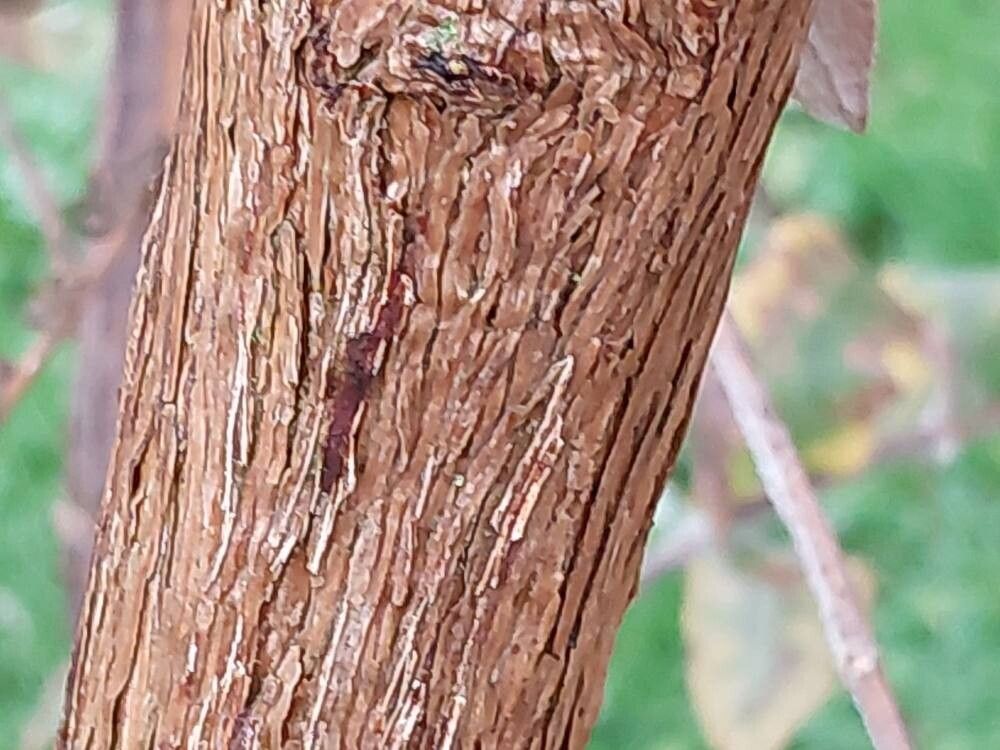
Oh, hello there! Come on in, pull up a chair. I’ve got a fresh pot of coffee brewing, and I hear you’re curious about multiplying your beautiful Buddleja myriantha. You’ve chosen a winner! This plant, with its delicate, fragrant blooms, is an absolute magnet for butterflies and a joy to have in the garden. And the best part? Propagating it is wonderfully rewarding, and I’m happy to say, quite accessible even for those just dipping their toes into the world of plant propagation.
The Best Time to Start
For Buddleja myriantha, late spring to early summer is your golden ticket. This is when the plant is actively growing, but the stems have started to mature just enough to be a good candidate for cuttings. Think of it as catching them at that sweet spot between soft and woody. Trying to propagate too early might mean the stems are too soft and prone to rot, while waiting too late in the season might not give them enough time to establish before cooler weather arrives.
Supplies You’ll Need
Gathering your supplies beforehand makes the whole process so much smoother. Here’s what I usually have on hand:
- Sharp, clean pruning shears or a sharp knife: Crucial for clean cuts that heal well.
- Rooting hormone (optional, but recommended): Especially helpful for encouraging faster and more robust root development. I like to use a powder or gel.
- Small pots or trays: Clean ones, please! About 4-inch pots are a good size.
- A good quality potting mix: I usually use a well-draining blend, often a mix of peat moss or coir, perlite, and a bit of compost. You want something that won’t hold too much moisture.
- Plastic bags or a propagation dome: To create that humid environment baby plants love.
- Watering can or mister: For gentle watering.
- Labeling tags: Trust me, you’ll thank yourself later!
Propagation Methods
I find that stem cuttings are hands-down the most reliable and easiest way to propagate Buddleja myriantha.
Here’s how I do it:
- Take Your Cuttings: In late spring or early summer, select healthy, non-flowering shoots from your established plant. Using your sharp shears, take 4-6 inch cuttings. Make the cut just below a leaf node (where a leaf attaches to the stem). This is where the magic of root development often starts.
- Prepare the Cuttings: Gently remove the lower leaves, leaving just a few at the very top. This prevents them from rotting in the soil and reduces water loss. If you’re using rooting hormone, dip the cut end of each stem into the powder or gel, tapping off any excess.
- Pot Them Up: Fill your clean pots with your prepared potting mix. Make a small hole in the center of each pot with a pencil or your finger. Insert the cut end of a Buddleja cutting into the hole, ensuring the leaf nodes are below the soil surface. Gently firm the soil around the stem.
- Water and Cover: Water the soil gently after potting. You want it moist but not soggy. Then, cover the pots with a plastic bag, propping it up with a few stakes so it doesn’t touch the leaves. Alternatively, use a propagation dome. This creates that all-important humid microclimate.
The “Secret Sauce” (Pro Tips)
Now, for those little tricks I’ve picked up over the years.
- The “Heel” Trick: Sometimes, I’ll try to take cuttings that include a tiny sliver of the older, woody stem attached – almost like pulling a small branch off with a bit of its parent. This “heel” can sometimes provide an extra boost for rooting. Don’t force it, though; just be gentle when you’re selecting your stems.
- Bottom Heat is Your Friend: If you have one, placing your pots on a heated propagation mat can significantly speed up root formation. It mimics the warmth of spring and gives those roots a real incentive to grow. I’ve found it makes a noticeable difference, especially for woodier cuttings.
- Patience with Hydration: When you water, don’t drown them. Aim for consistently moist, not waterlogged. Overwatering is the quickest way to invite fungal problems and rot. If the soil starts to look dry, a gentle misting or a shallow watering from the bottom is often best.
Aftercare & Troubleshooting
Once your cuttings are potted, place them in a bright spot that receives indirect sunlight. Avoid harsh, direct sun, which can scorch those delicate new leaves. Keep that plastic bag or dome on until you start to see new growth – tiny leaves unfurling or the tops looking perkier. This usually takes anywhere from 3 to 6 weeks.
You’ll know they’ve rooted when you gently tug on a cutting and feel resistance. At this point, you can gradually acclimate them to normal humidity by opening the bag or dome for increasing periods over a few days. Then, it’s time for a bit more light.
The most common issue you might encounter is rot. If a cutting turns black or mushy, or the leaves are wilting despite the soil being moist, it’s likely a sign of too much moisture and possibly a fungal infection. Sadly, those aren’t salvageable. Just remove them and check your watering habits for the remaining cuttings.
A Warm Encouragement
Watching those tiny Buddleja cuttings develop roots and new leaves is one of the most satisfying gardening experiences. It’s a little bit of magic in your hands. Don’t be discouraged if your first attempts aren’t perfect. Every gardener has had their share of failures – it’s all part of the learning journey. Just keep at it, be patient, and enjoy the process of bringing new life into your garden. Happy propagating!
Resource:
https://identify.plantnet.org/k-world-flora/species/Buddleja%20myriantha%20Diels/data