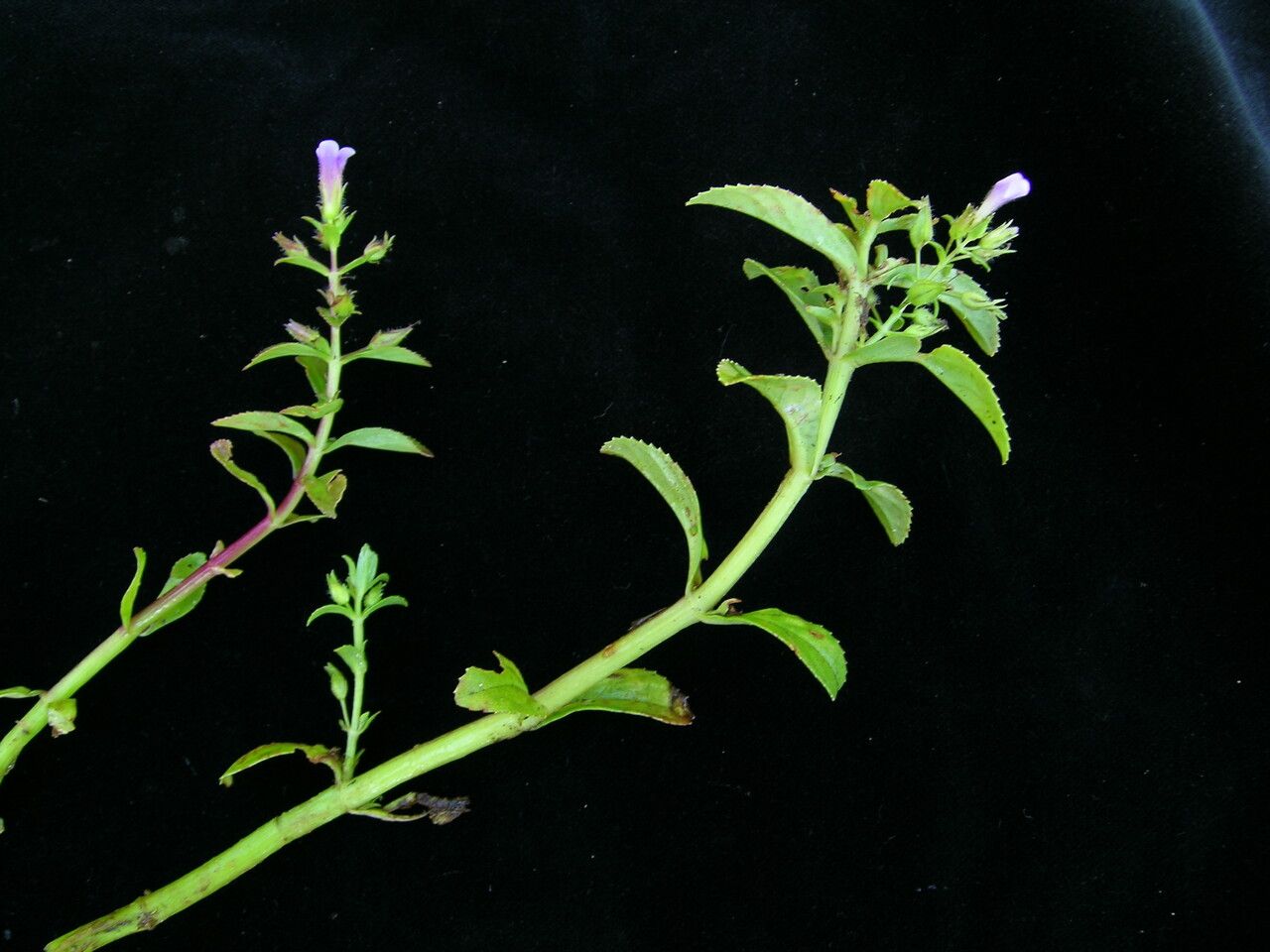
Hello there, fellow plant enthusiasts! It’s wonderful to connect with you today. I’m so excited to dive into a plant that has brought me countless moments of quiet satisfaction: Limnophila repens.
If you’re dreaming of a lush, vibrant green carpet in your aquarium, or even just enjoy the satisfaction of multiplying your green friends, Limnophila repens is a fantastic choice. It’s a wonderfully adaptable little plant, and propagating it is a journey that’s remarkably accessible. Even if you’re just starting out on your plant journey, don’t shy away. I consider it quite amiable for beginners, which is always a good sign, isn’t it?
The Best Time to Start
The beauty of Limnophila repens is its nearly year-round propagation potential, especially if you’re keeping it in a stable aquarium environment. However, I find the spring and summer months, when plant growth is naturally at its peak, often yield the quickest and most robust results. Think of it as giving your cuttings the longest, warmest growing season possible.
Supplies You’ll Need
Gathering your tools is half the fun, I always think! Here’s what I recommend having on hand:
- Sharp pruning shears or scissors: A clean cut is crucial for successful propagation.
- A small container or jar: For water propagation.
- Substrate: This can be your usual aquarium substrate, or a fine gravel.
- Rooting hormone (optional but helpful): A little boost can speed things up.
- Spray bottle: For misting if you’re using a more terrestrial method.
- Patience! This is the most important tool, really.
Propagation Methods
Limnophila repens is wonderfully versatile, and my favorite way to multiply it is through stem cuttings. It’s straightforward, and the results are usually quite speedy.
Method 1: Stem Cuttings in Water
This is my go-to for Limnophila repens. It’s so visually rewarding to watch the roots develop!
- Select a healthy stem: Look for a mature, healthy plant. You want a stem that’s not too old and woody, but has good vigor.
- Make the cut: Using your sharp shears, snip off a piece of stem that is at least 3-4 inches long. Make the cut just below a leaf node – that’s the point where leaves emerge from the stem.
- Remove lower leaves: Gently pluck off the leaves from the bottom inch or two of the cutting. This is important to prevent them from rotting once submerged.
- Place in water: Fill a small jar or container with fresh, dechlorinated water. Submerge the cut end of the stem, ensuring the leaf nodes you stripped are underwater.
- Find a good spot: Place your jar in a location that receives bright, indirect light. Avoid direct sun, as this can scorch the delicate cuttings.
- Watch and wait: You should start to see tiny white roots emerging from the submerged leaf nodes within a week or two.
Method 2: Planting Directly into Substrate
Once you have a little more confidence, you can also try planting cuttings directly into your aquarium substrate. This method is slightly more hands-off, but success can depend more on your substrate and water parameters.
- Prepare your cutting: Follow steps 1-3 from the water propagation method.
- Plant the cutting: Gently insert the stripped end of the cutting half an inch to an inch deep into your aquarium substrate. Make sure the leaf nodes are covered.
- Maintain conditions: Keep your aquarium parameters stable, with good lighting. The plant will root into the substrate over time.
The “Secret Sauce” (Pro Tips)
Here are a couple of little pointers I’ve picked up over the years that can make a big difference:
- Don’t let the leaves touch the water! This is a big one for stem cuttings. If the leaves below the waterline rot, they can foul the water and potentially harm your cutting. Pluck them off, as I mentioned, and ensure they’re above the water line of your jar or container.
- Consider bottom heat: If you’re trying this method outside of a stable aquarium (perhaps in pots for a terrarium), a seedling heat mat can provide gentle warmth and encourage root development. It mimics the cozy conditions plants love.
- Use a light rooting hormone dip: If you choose to use rooting hormone, just a quick dip is all that’s needed. Too much can actually inhibit rooting.
Aftercare & Troubleshooting
Once those beautiful little roots start appearing, you’ve got a brand new Limnophila repens on your hands!
- For water cuttings: Once the roots are about an inch long, you can gently transplant them into your aquarium substrate or wherever you plan to grow them. Bury the roots gently, ensuring the leaves are above the substrate.
- For substrate cuttings: Continue to provide good lighting and stable water parameters. You’ll see new leaf growth appearing at the top of the stem as it establishes.
Now, what if things don’t go as planned? The most common issue is rotting. This usually happens if the leaves are submerged, the water is stagnant, or the temperature is too low. You might also see the leaves turn yellow and mushy. Don’t be discouraged! Just remove the affected cutting, clean your container, and try again with fresh water and a new cutting. Sometimes a cutting just doesn’t take, and that’s okay. It’s part of the learning process.
A Little Encouragement
Propagating plants is like cultivating patience and hope. With Limnophila repens, the rewards are so immediate and so lovely. Be patient with your cuttings, observe them closely, and enjoy the simple magic of watching life multiply. Happy planting!
Resource:
https://identify.plantnet.org/k-world-flora/species/Limnophila%20repens%20(Benth.)%20Benth./data