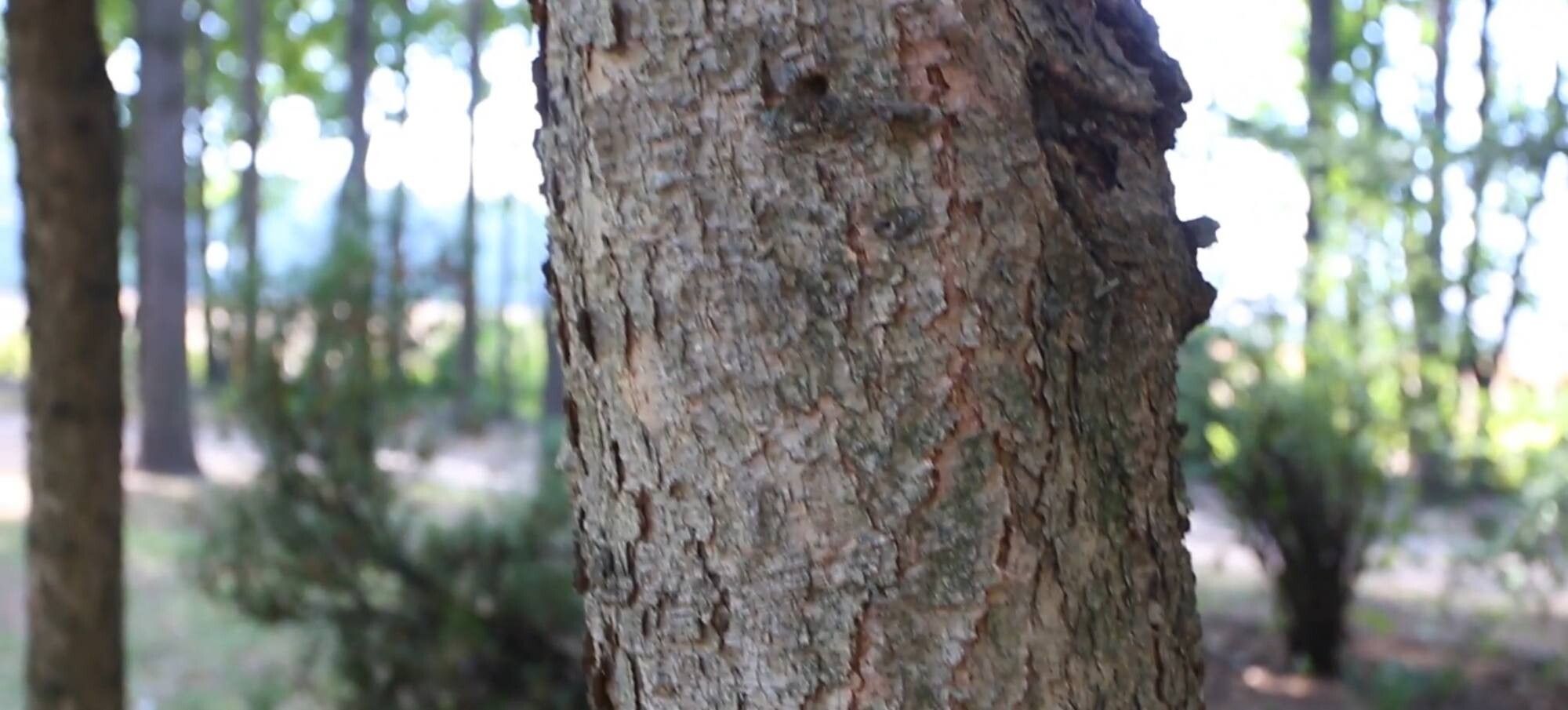
Oh, hello there! Pull up a chair. I’m so glad you’re curious about propagating Abies holophylla, the Korean Fir. This tree is an absolute gem for any garden. With its dense, dark green needles and stately pyramidal shape, it brings a touch of evergreen elegance that’s just stunning year-round. Plus, there’s a special kind of joy in nurturing a brand-new tree from a tiny bit of a parent plant. It’s like watching a little miracle unfold right in your own hands. Now, if you’re new to propagating conifers like this, I’ll be honest, it can be a bit of a challenge. It’s not quite as foolproof as, say, a succulent, but don’t let that scare you! With a little patience and the right approach, you can absolutely succeed.
The Best Time to Start
For Abies holophylla, the sweet spot for taking cuttings is in late spring to early summer. This is when the plant is actively growing, and the new shoots have started to harden off just a little. These are often called “semi-hardwood” cuttings. You want to avoid taking cuttings when the wood is still very soft and flexible (too much sap, prone to rot) or when it’s completely mature and woody (harder to root). Look for those shoots that snap cleanly when bent, rather than just bending.
Supplies You’ll Need
Here’s what you’ll want to have on hand before you get started:
- Sharp, sterile pruning shears or a clean, sharp knife: For making clean cuts. Sterilize them with rubbing alcohol or a bleach solution.
- Rooting hormone powder or gel: This isn’t strictly essential for all conifers, but it significantly increases your chances with tougher ones like firs. Look for one formulated for woody cuttings.
- Clean pots or trays: Small to medium-sized pots (4-6 inch) work well. Make sure they have drainage holes.
- A good propagation mix: This is crucial. You need something that drains very well to prevent rot. A mix of equal parts perlite and peat moss, or equal parts coarse sand and peat moss is a classic. Some gardeners also add a bit of fine bark.
- A plastic bag or a clear plastic dome: To create a humid environment.
- Bottom heat (optional but highly recommended): A seedling heat mat can speed things up considerably.
- Watering can or spray bottle: For gentle watering.
- Labels and a marker: To keep track of what you’ve planted!
Propagation Methods: Stem Cuttings
This is generally the most successful method for Abies holophylla.
- Select Your Cuttings: On a healthy, mature Korean Fir, look for those semi-hardwood shoots about 4 to 6 inches long. Gently twist or cut them from the parent plant.
- Prepare the Cuttings: Remove the needles from the lower 2-3 inches of each cutting. This is where the roots will form, and you don’t want these needles submerged in soil or water.
- Apply Rooting Hormone: Dip the cut end of each prepared cutting into the rooting hormone. Tap off any excess.
- Insert Cuttings: Make a hole in your propagation mix with a pencil or your finger. Gently insert the cutting, ensuring the hormone-coated part is fully in the soil. Firm the mix gently around the base.
- Water Gently: Water the mix thoroughly but gently. You want it moist, not soggy.
- Create Humidity: Place the pots in a plastic bag or cover with a clear dome. Make sure the leaves do not touch the plastic, as this can encourage rot. If using a bag, you might need to stake it up a bit.
- Find a Bright Spot: Place the pots in a location that gets bright, indirect light. Avoid strong, direct sun, which can scorch the cuttings and overheat the enclosed environment.
The “Secret Sauce” (Pro Tips)
Here are a couple of things I’ve learned over the years that make a difference:
- Cleanliness is King: Seriously, do not skimp on sterilizing your tools. Fungal diseases are the enemy of cuttings, and a dirty cut can introduce all sorts of woes. A quick wipe with rubbing alcohol between each cut is a small effort for huge rewards.
- Bottom Heat is Your Friend: Even if you don’t have a dedicated heat mat, placing your pots on top of a gently warming appliance (like a router or even near a slightly warm computer monitor) can make a noticeable difference in rooting speed and success rate for woody cuttings. It encourages root development without cooking the foliage.
Aftercare & Troubleshooting
Once your cuttings are planted, the waiting game begins. Keep the soil consistently moist but not waterlogged. Check the moisture level by gently pressing the soil. If it feels dry to the touch, give it a gentle watering. You can also mist the leaves occasionally, especially if you notice them wilting a bit.
Look for new growth as a sign of success – tiny buds or needles might start to emerge. Rooting can take anywhere from a couple of months to six months or even longer for conifers, so patience is key!
The most common problem you’ll encounter is rot. If a cutting turns black and mushy, it’s likely rotted. Remove it immediately to prevent it from spreading. Other signs of failure include the needles turning brown and falling off, or the cutting remaining limp and unresponsive for an extended period. Often, rot is caused by too much moisture and poor drainage, or a lack of air circulation within the humid environment.
A Encouraging Closing
Propagating Abies holophylla can feel like a labor of love, and there’s no shame if your first attempt isn’t a resounding success. Every gardener learns by doing, and each experience teaches us something new. So, gather your supplies, find a lovely specimen, and give it a try. Enjoy the quiet anticipation, the little green shoots that appear, and the incredible satisfaction of growing your own beautiful Korean Fir. Happy gardening!
Resource:
https://identify.plantnet.org/k-world-flora/species/Abies%20holophylla%20Maxim./data