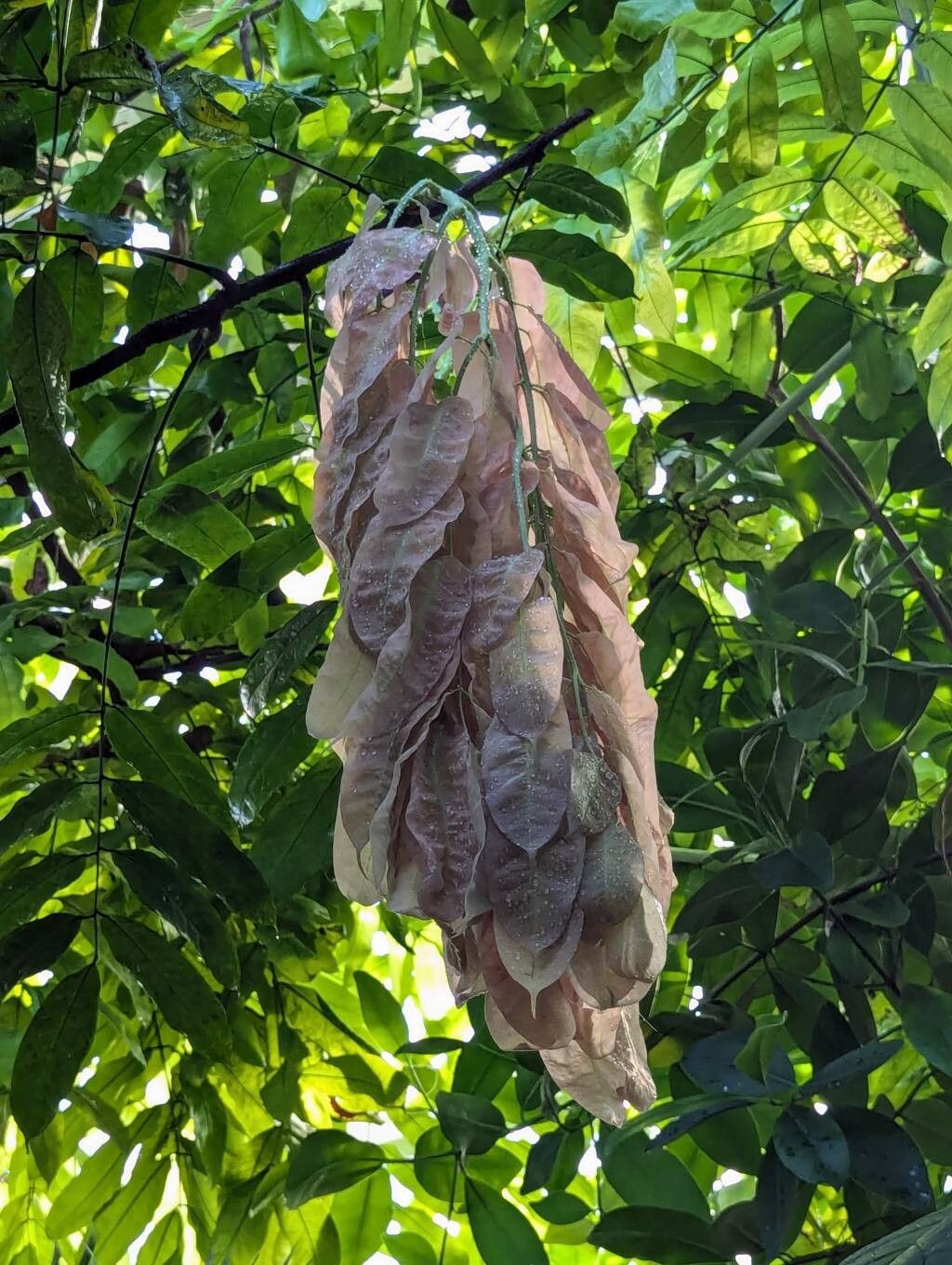
Hey there, fellow plant lovers! I’m practically buzzing with excitement to talk about one of my absolute favorite tropical treasures: Brownea coccinea, also known affectionately as the Scarlet Flame. If you’ve ever seen one of these beauties in full bloom, you know exactly why I’m so smitten. Those dramatic, crimson flower heads cascading down are simply breathtaking.
If you’ve been eyeing this stunner for your own collection, or even if you’ve just started to fall for its charm, you might be wondering about bringing more of them into your life. Propagating Brownea coccinea is wonderfully rewarding, like nurturing little versions of that magnificent mother plant. Now, I’ll be honest, it’s not the absolute easiest plant to propagate – it can be a tad diva-ish at times. But with a little know-how and patience, it’s absolutely achievable, even for the budding enthusiast.
When the Magic Happens: The Best Time to Start
For Brownea coccinea, timing is everything. We want to work with the plant when it’s feeling its most vibrant and ready to grow. That typically means during its active growing season, which in most tropical and subtropical climates is during the warm, humid months, often from late spring through early fall. Avoid trying to propagate when the plant is stressed, perhaps from cold weather or drought. Look for new, healthy growth on your mother plant.
Your Gardener’s Toolkit: Supplies You’ll Need
Gathering your supplies beforehand makes the whole process much smoother. Here’s what I always have on hand:
- Sharp, Clean Pruning Shears or a Knife: Essential for making clean cuts to prevent disease.
- Rooting Hormone: This isn’t strictly mandatory for Brownea, but it can definitely give those new cuttings a helpful boost. A powdered or gel form works well.
- Well-Draining Potting Mix: I love a mix that includes perlite and orchid bark for excellent aeration and drainage. Something like a 50/50 blend of peat moss and perlite, or a good quality potting soil amended with perlite and a bit of orchid bark, is perfect.
- Small Pots or Seedling Trays: Clean pots are a must! Small ones are better for starting out.
- Clear Plastic Bags or a Propagator Lid: To maintain high humidity around your cuttings.
- Spray Bottle: For misting the cuttings.
- Gloves (Optional): Some people prefer to wear gloves when working with rooting hormones.
Crafting New Life: Propagation Methods
While you might encounter other methods, what I’ve found most reliable for Brownea coccinea is stem cuttings. It’s a classic for a reason!
Stem Cuttings:
- Select Your Cuttings: Look for healthy, semi-hardwood stems that are at least 4-6 inches long. You want a stem that’s not brand new and floppy, but also not old and woody. A slight bend in the stem is a good indicator of the right stage.
- Make the Cut: Using your sterilized shears or knife, take a clean cut just below a leaf node. A leaf node is where a leaf attaches to the stem – this is where roots are most likely to form.
- Prepare the Cutting: Remove the lower leaves from the cutting, leaving only the top couple of leaves. If the remaining leaves are very large, you can gently trim them in half to reduce water loss while still allowing for photosynthesis.
- Apply Rooting Hormone: Dip the cut end of the stem into your rooting hormone, tapping off any excess.
- Plant Your Cutting: Fill your chosen pot with your well-draining potting mix. Make a small hole in the center with your finger or a pencil. Insert the cut end of the Brownea cutting into the hole, making sure the nodes where you removed leaves are below the soil surface. Gently firm the soil around the cutting.
- Provide Humidity: Water the potting mix lightly. Then, cover the pot with a clear plastic bag or place it under a propagator lid. This creates a mini-greenhouse effect, keeping the humidity high around your cutting, which is crucial for Brownea.
The “Secret Sauce”: My Insider Tips
After years of trial and error, I’ve picked up a few things that can really make a difference:
- The Cleanliness Crusade: Seriously, sterilize everything. Your shears, your pots, your hands – anything that touches the plant or its cuttings. Fungus and bacteria are the enemies of new propagation, and Brownea can be susceptible. A quick wipe-down with rubbing alcohol is your best friend.
- A Little Warmth Goes a Long Way: Brownea is a tropical plant, and it loves a bit of warmth from below. Placing your pots on a heat mat specifically designed for seedlings can significantly speed up root development. Check the heat mat’s temperature to ensure it’s not too hot; a gentle warmth that feels pleasant to the touch is perfect.
- Whispers, Not Drenchings: When watering, err on the side of caution. You want the soil to be consistently moist, not soggy. Overwatering is a sure way to invite rot. I like to give my cuttings a gentle misting with the spray bottle every couple of days, and only water the soil when the top layer starts to feel dry.
Nurturing the Tiny Sprouts: Aftercare & Troubleshooting
Once you see signs of new growth – like tiny leaves emerging from the top or a gentle tug on the cutting from the roots – you’re on the right track!
- Gradual Acclimation: Slowly introduce your new plant to less humid conditions. Start by opening up the plastic bag or propagator lid for a few hours each day. Over a week or two, you can remove the cover entirely.
- Light and Love: Place your newly rooted Brownea in bright, indirect light. Avoid direct sun, which can scorch those delicate new leaves.
- The Dreaded Rot: The most common sign of failure is rot. Your cutting might turn black and mushy, or the leaves will yellow and fall off rapidly. This is usually a sign of too much moisture and not enough air circulation. If you see this, it’s best to discard the cutting and try again, focusing on those tips about sharp tools and well-draining soil. Another sign to watch for is wilting that doesn’t improve with misting, which can indicate the cutting isn’t taking up water either due to no roots or rot setting in.
Keep Growing!
Propagating Brownea coccinea might take a bit of patience, and you might not have success with every single cutting. But the joy of nurturing a new plant from a small piece of the original is truly immense. So don’t get discouraged! Keep experimenting, keep observing, and most importantly, enjoy the journey of bringing more of that Scarlet Flame into your world. Happy gardening!
Resource:
https://identify.plantnet.org/k-world-flora/species/Brownea%20coccinea%20Jacq./data