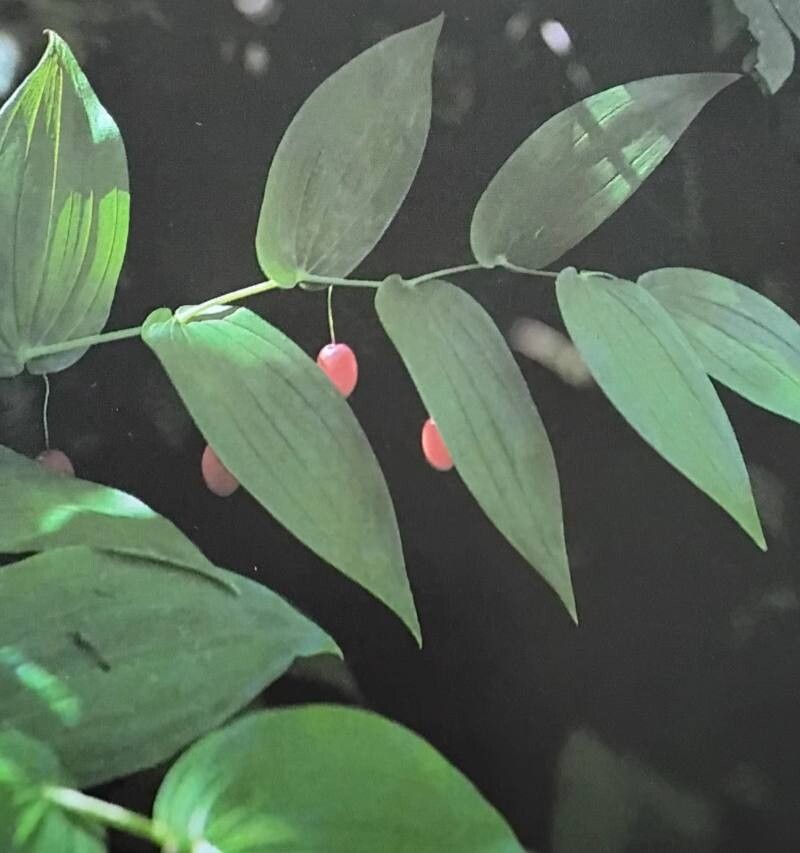
Hello fellow plant lovers! If you’re anything like me, you’ve fallen head over heels for the charming beauty of Streptopus amplexifolius, also known as the Twisted-stalk or Clasping Twisted-stalk. Its nodding, bell-shaped white flowers and attractive foliage make it a woodland gem. And the joy of watching a little bit of this magic grow into a whole new plant? Pure garden bliss! Now, you might be wondering if this is a tricky plant to get started with. Honestly, for those new to propagating, it can be a little bit of a learning curve, but with a bit of patience and these tips, you’ll be well on your way.
The Best Time to Start
The absolute sweet spot for propagating Streptopus amplexifolius is during its active growing season, usually late spring to early summer. This is when the plant is brimming with energy, and new growth is tender enough to root. You’re looking for stems that are neither too woody nor too soft – that perfect stage in between.
Supplies You’ll Need
Here’s a little kit to get you started:
- Sharp Pruning Shears or a Clean Knife: For making clean cuts.
- Rooting Hormone: Optional, but it does give your cuttings a helpful boost. I like to use a powder for this.
- Well-Draining Potting Mix: A blend of equal parts peat moss or coco coir, perlite, and a bit of compost works wonderfully. Or, a good quality seed-starting mix is also a great option.
- Small Pots or Trays: With drainage holes, of course!
- Plastic Bag or Clear Cloche: To create a humid environment.
- Spray Bottle: For misting.
- Labels: To keep track of what you’ve planted and when!
Propagation Methods
For Streptopus amplexifolius, division is often the most reliable and straightforward method.
Division
This is best done in early spring, just as the plant is waking up, or in fall, after the leaves have started to yellow.
- Gently Excavate: Carefully dig around the base of your established plant. You want to lift the whole clump, trying to disturb the roots as little as possible.
- Clean and Inspect: Gently shake off excess soil so you can see the rhizomes (these are the underground stems). Look for natural divisions where the plant is already splitting.
- Divide with Care: Using your hands or a clean, sharp knife, carefully separate the clumps. Each division should have at least a few healthy stems and a good bit of root attached. It’s okay if some smaller roots break.
- Prepare for Planting: Remove any old, dead foliage. You can dip the cut ends into a dilute fungicide if you’re concerned about rot, though this isn’t usually necessary if your soil is good.
- Repot: Plant each division in its own pot or back into a prepared spot in the garden, ensuring the rhizomes are just at or slightly below the soil surface. Water them in thoroughly.
The “Secret Sauce” (Pro Tips)
Here are a couple of things I’ve learned over the years that make a big difference:
- Don’t Force It: When dividing, always work with the natural separation points of the rhizome. Forcing it can damage the plant and reduce your success rate. If it’s tough to pull apart, re-examine it to find a cleaner split.
- Mimic the Woodland Floor: These plants love consistent moisture, but they hate sitting in soggy soil. The well-draining mix is crucial, as is avoiding overwatering once they’re planted. Think dappled shade and cool, damp earth for their new homes.
Aftercare & Troubleshooting
Once your divided clumps are planted, keep the soil consistently moist but not waterlogged. For the first few weeks, provide a bit of shade if your climate is particularly sunny. You’ll know they’re happy when you see new leaf growth emerging.
The most common issue you might encounter is rot, usually caused by overwatering or poor drainage. If you see stems turning mushy or black at the soil line, it’s a sign of trouble. If caught early, you might be able to salvage the healthy parts. Otherwise, it’s a gentle reminder to adjust your watering habits.
A Encouraging Closing
Nurturing new life from existing plants is one of the most rewarding aspects of gardening. Don’t be discouraged if your first attempt isn’t perfect. Be patient, observe your new divisions, and enjoy the process of giving your beloved Streptopus amplexifolius a chance to proliferate. Happy planting!
Resource:
https://identify.plantnet.org/k-world-flora/species/Streptopus%20amplexifolius%20(L.)%20DC./data