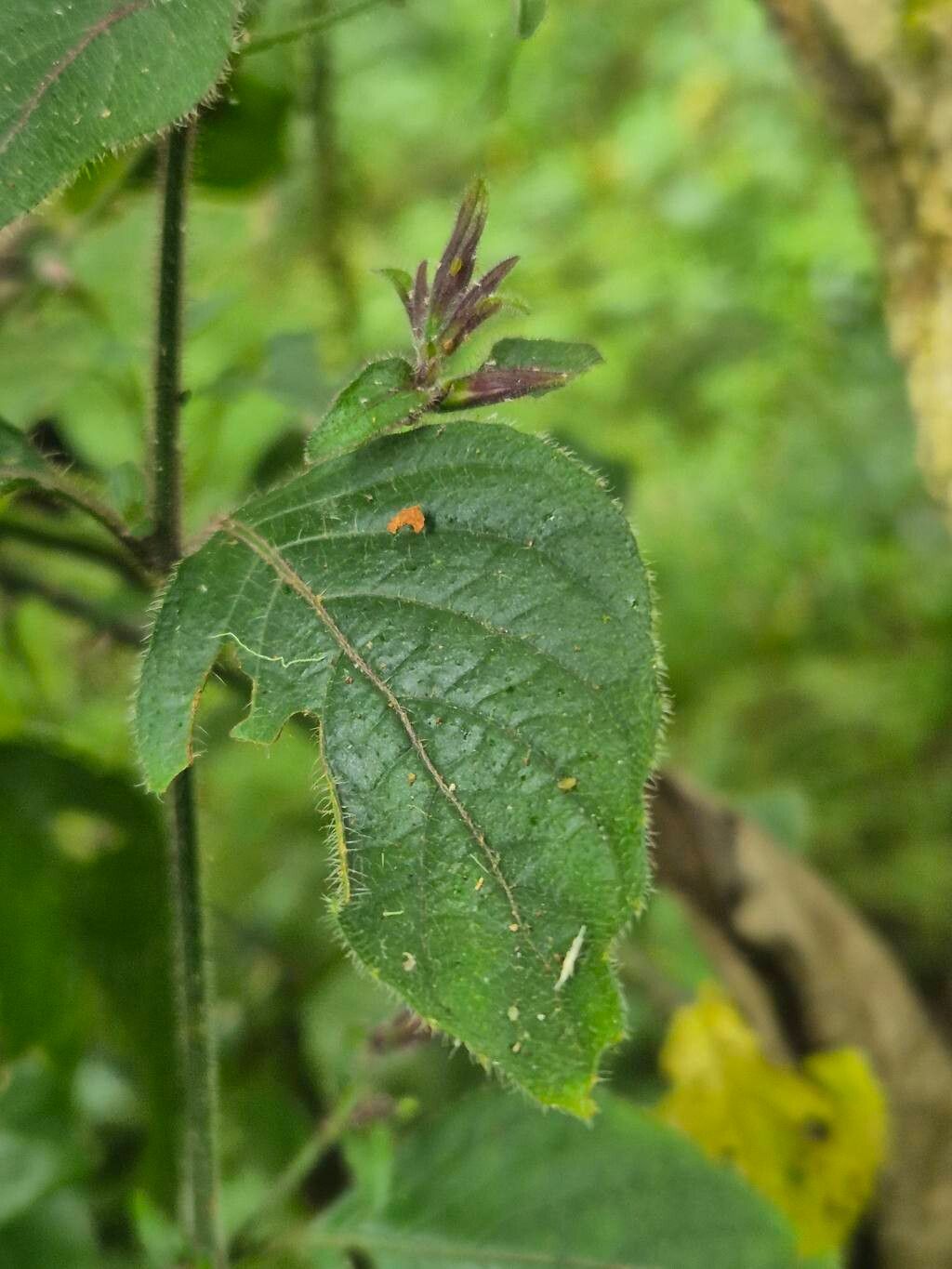
Hello, fellow garden enthusiasts! I’m so excited to chat with you today about a plant that brings such a jolt of cheerful color into any space: Hypoestes triflora, or as many of us affectionately call it, “Polka Dot Plant.” Its splashed leaves, often in shades of pink, red, or white against green, are just utterly captivating. And the best part? It’s wonderfully rewarding to propagate! If you’re new to this hobby, don’t worry. I find Hypoestes to be a fantastic plant for beginners looking to dip their toes into the world of plant propagation. It’s quite forgiving, which makes the entire process even more enjoyable.
The Best Time to Start
For the highest success rate with your Hypoestes triflora, I always recommend starting in the late spring or early summer. This is when the plant is in its most vigorous growth phase. The longer daylight hours and warmer temperatures provide the energy it needs to root quickly. You can also propagate it in the fall, but you might find it takes a little longer to see those roots develop. Basically, aim for when your plant is actively putting out new growth.
Supplies You’ll Need
Let’s get our little propagation station ready! Here’s what I usually have on hand:
- Sharp Pruning Shears or Scissors: Cleanliness is key!
- Small Pots or Reusable Propagation Trays: Whatever you have that can hold a bit of soil.
- Well-Draining Potting Mix: A blend of peat moss, perlite, and a little bit of regular potting soil works wonders. You can also buy a “seed starting mix.”
- Rooting Hormone (Optional but Recommended): Especially for stem cuttings, this gives them a helpful boost.
- Watering Can or Spray Bottle: For gentle hydration.
- Clear Plastic Bag or Dome: To create a humid environment.
- Small Pebbles or Gravel (for water propagation): To anchor the cuttings.
Propagation Methods
There are a couple of fantastic ways to get more of these beauties. I’ll walk you through two of my favorites.
Stem Cuttings: My Go-To Method
This is usually my preferred method because it’s so straightforward.
- Take a Cutting: Find a healthy, non-flowering stem on your mature Hypoestes. Using your clean shears, cut a piece about 4-6 inches long, making your cut just below a leaf node (where a leaf attaches to the stem).
- Prepare the Cutting: Gently remove the leaves from the bottom half of the stem. You want to expose a few nodes. If you have any flower buds, pluck them off now.
- Apply Rooting Hormone (if using): Dip the cut end into the rooting hormone, tapping off any excess.
- Plant the Cutting: Fill your pot or tray with your well-draining mix. Make a small hole with your finger or a pencil and gently insert the prepared cutting, ensuring at least one or two leaf nodes are buried beneath the soil.
- Water Gently: Moisten the soil thoroughly but avoid making it soggy. A good watering can with a fine rose or a spray bottle works best.
- Create Humidity: Cover your pot or tray with a clear plastic bag or a propagation dome. This creates a mini-greenhouse effect, keeping the humidity high, which is crucial for propagation. Make sure the leaves aren’t touching the sides of the bag too much.
Water Propagation: Watching Roots Grow
This method is just mesmerizing if you love seeing what’s happening underground!
- Take and Prepare Your Cutting: Follow steps 1 and 2 from the stem cutting method above.
- Place in Water: Fill a clean jar or glass with lukewarm water. Place your Hypoestes cutting into the water, making sure at least one leaf node is submerged. I like to add a few small pebbles to the bottom of the jar to help support the cutting if it’s a bit wobbly.
- Change the Water: Change the water every 2-3 days to keep it fresh and prevent rot. You’ll notice tiny white roots starting to emerge from the nodes.
- Transplant When Ready: Once your roots are about an inch long, it’s time to transplant them into their own pot with soil following the planting instructions for stem cuttings.
The “Secret Sauce” (Pro Tips)
Here are a couple of little tricks I’ve picked up over the years that really make a difference:
- Don’t Let the Leaves Touch the Water (in water propagation): This is a common mistake. If the leaves are submerged, they’re more likely to rot and can take the whole cutting down with them. Keep only the nodes and the bare stem in the water.
- Apply Bottom Heat (for stem cuttings): Think of it as giving your cuttings a warm little foot rub! Using a seedling heat mat underneath your pots or trays can significantly speed up root development. It mimics the warmer soil temperatures of spring and makes the process so much more efficient.
- Pinch Off Flowers Relentlessly: Those pretty little flowers on Hypoestes are energy drains! For propagation, you want all the plant’s energy to go into root production, not seed or flower development. So, as soon as you see a bud forming on your cutting or parent plant, pinch it off.
Aftercare & Troubleshooting
Once you see those lovely roots developing, your job isn’t quite finished! Continue to keep the soil consistently moist but not waterlogged. For cuttings in humidity domes, you can start to gradually acclimatize them to lower humidity by opening the dome for a few hours each day before removing it completely.
The most common issue you might face is rot. This usually happens due to overwatering or poor air circulation. If you see your cutting looking mushy or turning brown and black from the base, it’s likely succumbed to rot. Don’t be discouraged! It happens to all of us. Just toss the mushy ones and try again. The key is to find that sweet spot between moist and soggy.
A Little Patience Goes a Long Way
And there you have it – your guide to propagating Hypoestes triflora! Remember, gardening is all about observation and patience. Some cuttings will take off right away, while others might take a bit longer. Enjoy the process, watch your little plant babies grow, and soon you’ll have an abundance of cheerful polka dots to share or keep all to yourself. Happy propagating!
Resource: