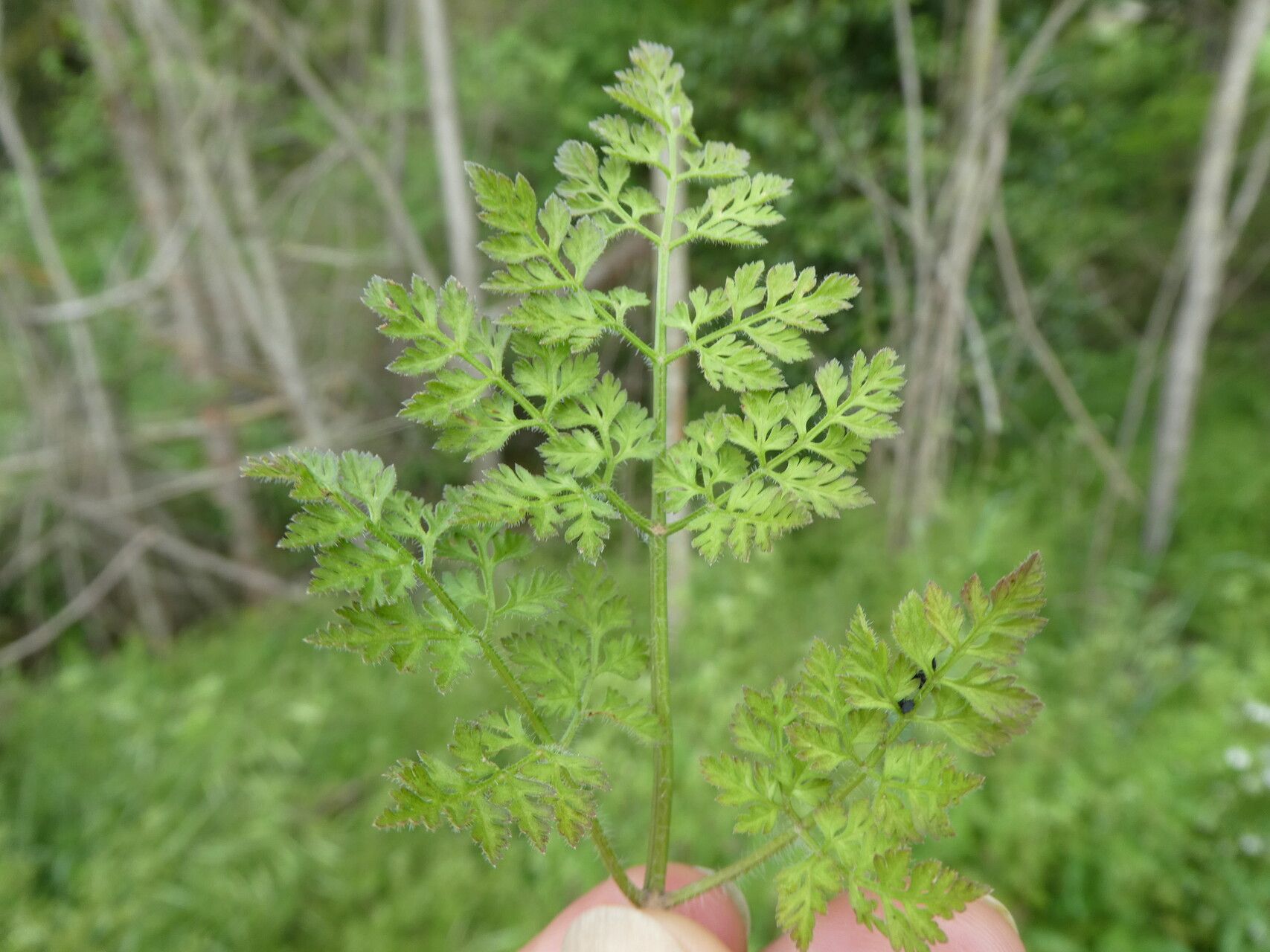
Oh, hello there! Come on in, grab a mug. Let’s chat about Anthriscus caucalis, or as we often lovingly call it, wild chervil. I’ve always had a soft spot for this delicate beauty. Its lacy foliage and charming little white flowers bring such a touch of ephemeral elegance to the garden, especially in those transitional spring and early summer months. And the best part? It seeds so readily, making propagation a joy and a fantastic way to fill your garden beds – or even share with fellow plant enthusiasts. For beginners? Absolutely! This is a plant that truly wants to live and multiply, so you’ll likely have a lot of success.
The Best Time to Start
For Anthriscus caucalis, timing is key to getting the best results. I find that early spring, just as the soil begins to warm up and new growth is appearing, is the absolute sweet spot for sowing seeds directly outdoors. If you’re looking to propagate from existing plants, late spring to early summer, after the plant has flowered but before it goes too dormant in the heat, is a great time to try taking cuttings or dividing clumps.
Supplies You’ll Need
You won’t need a fancy arsenal for this. Here’s what I usually have on hand:
- Small pots or seed trays: Whatever you have that can hold soil and allow for good drainage.
- Seed starting mix or a light potting mix: Something airy is best.
- Watering can with a fine rose attachment: To water gently without disturbing seeds or delicate seedlings.
- Sharp pruning shears or a clean knife: For taking cuttings.
- Labels and a marker: Essential for keeping track of what you’ve planted!
- Optional: Rooting hormone: While Anthriscus caucalis usually roots easily, it can give an extra boost to cuttings.
Propagation Methods
Let’s get our hands dirty! There are a couple of wonderfully simple ways to multiply your wild chervil.
Sowing Seeds Directly
This is the most straightforward method, and honestly, it’s how the plant spreads itself so well in nature.
- Prepare the bed: Choose a spot that gets at least partial sun. Loosen the soil to a depth of about 6 inches.
- Sow the seeds: Scatter the seeds thinly over the prepared area. You want them to have room to grow.
- Cover lightly: Gently rake the soil over the seeds, covering them to about ¼ inch deep.
- Water gently: Use your fine-rose watering can to moisten the soil thoroughly. Keep it consistently damp, but not waterlogged.
- Be patient: You should see germination within a couple of weeks, depending on the temperature. Thin the seedlings if they are too crowded, leaving about 6-8 inches between plants.
Taking Stem Cuttings
This method is great if you want to clone a particularly lovely plant or if you’ve missed the window for sowing seeds.
- Select healthy stems: Look for young, non-flowering stems that are about 4-6 inches long.
- Make the cut: Using your sharp shears or knife, make a clean cut just below a leaf node (where a leaf attaches to the stem).
- Prepare the cutting: Remove the lower leaves, leaving just a few at the top. If the cutting is particularly long, you can even cut it in half horizontally, using the top portion.
- Optional: Apply rooting hormone: Dip the cut end of the stem into rooting hormone, tapping off any excess.
- Plant the cutting: Fill a small pot with your seed starting mix. Make a small hole with a pencil or your finger and insert the cutting, firming the soil around it.
- Water and cover: Water gently. You can cover the pot with a clear plastic bag or a propagator lid to create a mini-greenhouse effect, which helps maintain humidity. Keep it out of direct sunlight.
The “Secret Sauce” (Pro Tips)
Here are a few little tricks I’ve picked up over the years that really help:
- Don’t overwater cuttings: While consistent moisture is key, soggy soil is the quickest way to rot cuttings. Ensure your pots have good drainage. I often tip out any excess water that collects in a saucer after watering.
- Fresh seeds are best: Anthriscus caucalis seeds can lose viability fairly quickly. Try to source them from a reputable supplier or collect them from your own plants when they’re fresh.
- Chilling can help: If you’re finding that your seeds aren’t germinating well, try a bit of cold stratification. Sow them in pots, cover them, and then place the pots in the refrigerator for 3-4 weeks before bringing them back to room temperature to germinate.
Aftercare & Troubleshooting
Once your seeds have germinated or your cuttings have rooted (you’ll see new growth, or you can gently tug on a cutting to feel resistance), it’s time for the next stage.
- Growing on: Gradually introduce your new seedlings or rooted cuttings to more ambient conditions if you’ve been using a propagator. Water them regularly but allow the surface of the soil to dry slightly between waterings.
- Transplanting: Once they are large enough to handle and the weather is suitable, you can transplant them into their permanent garden spot or larger pots.
- Common issues: The most common problem you might encounter is rot, usually due to overwatering or poor drainage. If you see yellowing leaves or a mushy stem, it’s often a sign of too much moisture. On the flip side, if seedlings are leggy and weak, they might need a bit more light or a slightly more nutritious soil.
A Warm Encouragement
Propagating plants is such a rewarding journey. It connects you to the rhythm of nature and brings the satisfaction of nurturing life. Be patient with your Anthriscus caucalis, embrace the process, and don’t be afraid to experiment. Soon enough, you’ll have a beautiful cascade of this lovely plant filling your garden space. Happy gardening!
Resource:
https://identify.plantnet.org/k-world-flora/species/Anthriscus%20caucalis%20M.Bieb./data