Hey there, fellow garden enthusiasts!
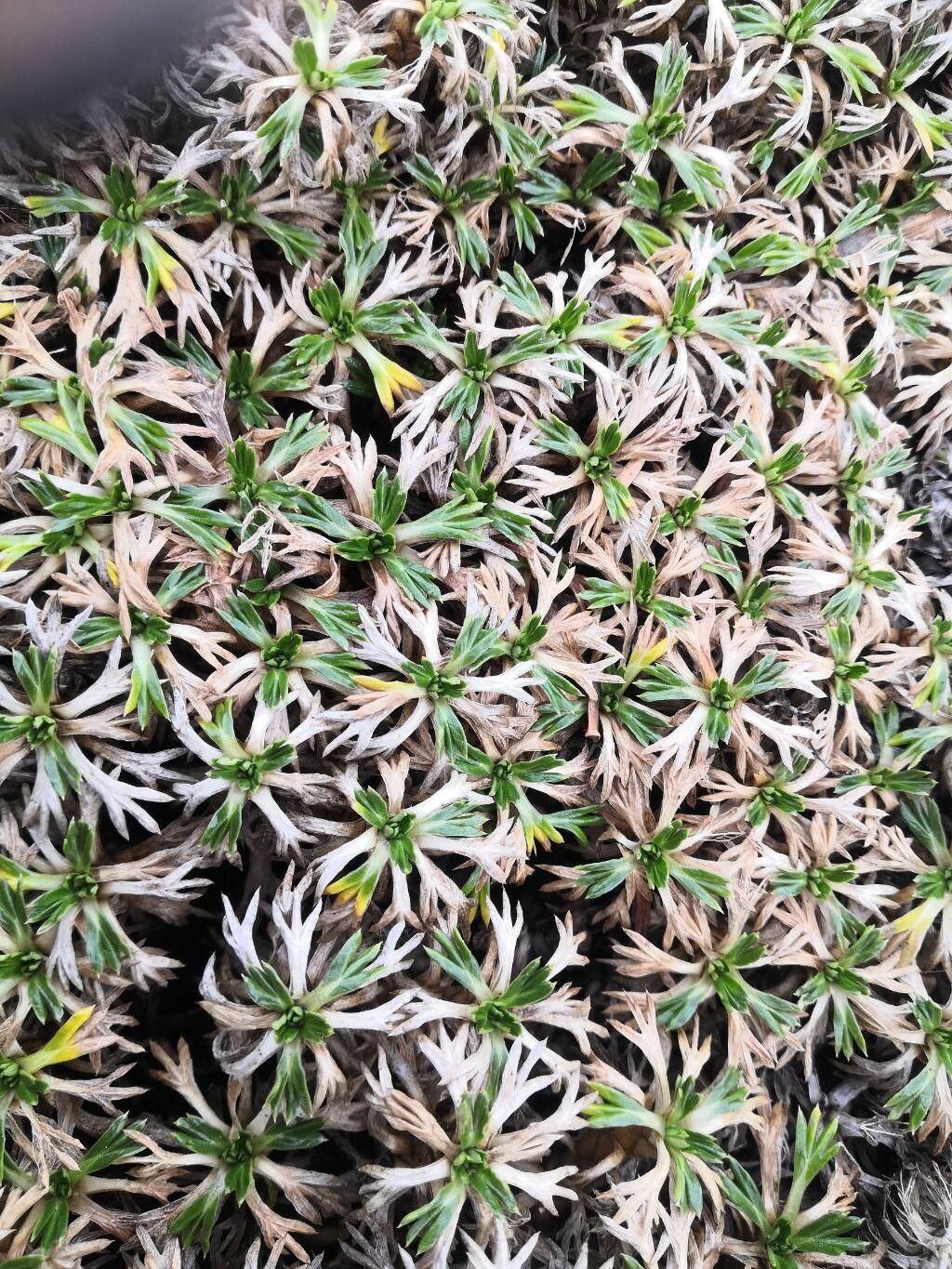
Today, we’re diving into the wonderful world of Azorella trifurcata, also known as Wedge Leaf. If you’ve ever seen this charming, low-growing plant forming dense, mossy cushions of intriguing foliage, you know its appeal. It’s a fantastic groundcover for rock gardens, alpine beds, or even spilling over the edges of pots. And the best part? Successfully propagating it is a truly rewarding experience, bringing you more of that captivating greenery to share or enjoy throughout your garden. Don’t let its unique appearance fool you; Azorella trifurcata is often surprisingly forgiving when it comes to propagation, making it a great project for both seasoned gardeners and those just getting their hands dirty.
The Best Time to Start
For the highest success rate, I always find that late spring to early summer is your sweet spot. This is when the plant is actively growing and has plenty of energy to put into developing new roots. You want to start with healthy, vigorous shoots that aren’t flowering. Waiting until after the main bloom period has passed is ideal.
Supplies You’ll Need
Gathering your supplies beforehand makes the whole process smoother. Here’s what I usually have on hand:
- Sharp pruning shears or a clean knife: For making neat cuts.
- Rooting hormone (optional but recommended): A little helps boost root development.
- Appropriate potting mix: A well-draining mix is crucial. I often use a blend of equal parts perlite, coarse sand, and a good quality potting soil. For Azorella, I lean even more towards the gritty components.
- Small pots or trays: Clean containers with drainage holes are a must.
- Plastic bags or a propagator: To create a humid environment.
- Small labels: To keep track of your cuttings.
- Watering can or spray bottle: For gentle watering.
Propagation Methods
There are a couple of ways to get more Wedge Leaf plants, and I find division is often the easiest for this particular species.
Division: My Go-To Method
Azorella trifurcata tends to form clumps that expand outwards. This makes division a natural and highly effective propagation technique.
- Gently excavate the plant. Carefully dig around the base of your Azorella using a trowel or garden fork, lifting the entire plant from its spot.
- Inspect the root ball. Loosen the soil gently. You’ll likely see distinct sections or “modules” within the clump, each with its own healthy root system.
- Separate the divisions. Use your hands, a trowel, or even a sharp knife to gently pull or cut apart these sections. Aim for divisions that have at least a few shoots and a good portion of roots. Don’t worry about separating every single tiny bit – larger, established sections are more reliable.
- Prepare the new pots. Fill your clean pots with your well-draining potting mix.
- Plant your divisions. Make a small well in the soil and place a division in it, ensuring the roots are spread out. Gently firm the soil around it.
- Water thoroughly. Give each newly potted division a good watering to settle the soil.
Stem Cuttings (A Little More Patience Required)
While division is my favorite, you can try stem cuttings.
- Take your cuttings. In late spring or early summer, select healthy, current-season shoots that are about 3-4 inches long. Make a clean cut just below a leaf node.
- Prepare the cuttings. Gently remove the lower leaves from the cutting, leaving just a few at the top. If you’re using rooting hormone, dip the cut end into it now.
- Plant the cuttings. Fill small pots with your well-draining mix. Make a small hole with a pencil or your finger and insert the cutting, ensuring the leaf nodes are buried. Firm the soil gently around the base.
- Create a humid environment. Lightly water the soil. Then, cover the pots with a clear plastic bag or place them inside a propagator. This traps humidity, which is vital for cuttings to develop roots.
The “Secret Sauce” (Pro Tips)
Here are a few little tricks I’ve picked up along the way that can really make a difference:
- “Dry Dusting” for Divisions: When you divide a larger clump, especially if it’s been disturbed, I like to let the cut surfaces of the divisions air dry for an hour or two before replanting. This helps to callus over any cut roots and can prevent potential rot issues, particularly if the soil is a bit damp.
- Bottom Heat is Your Friend (for Cuttings): If you’re attempting stem cuttings, placing the pots on a heated propagation mat can significantly speed up root formation. The warmth encourages root development from below.
- Azorella Loves a Tiny Bit of Squeeze: When planting your propagated divisions or cuttings, tuck them in snugly. They don’t like to sit in loose, airy soil. They thrive in a fairly compact environment from the get-go.
Aftercare & Troubleshooting
Once your divisions or cuttings are planted, the real work (and the joy!) begins.
- Watering: Keep the soil consistently moist but not waterlogged. For cuttings in propagators, misting the leaves occasionally can help keep them turgid. For divisions, water when the top inch of soil feels dry.
- Light: Place your newly propagated plants in a bright location with indirect light. Avoid direct, scorching sun, which can dehydrate delicate new growth.
- Patience is Key: For divisions, you should see signs of active growth within a few weeks. For cuttings, it can take longer – anywhere from 4-8 weeks, sometimes more, to develop a decent root system. You can gently tug on a cutting; if there’s resistance, you have roots!
- Troubleshooting Rot: The most common issue is rot, usually caused by overwatering or poor drainage. If you see wilting, yellowing leaves, or a mushy stem base, it’s a sign of trouble. Remove any affected plant material immediately and try to let the remaining soil dry out a bit. Ensure your potting mix is indeed well-draining.
Happy Propagating!
There you have it! Propagating Azorella trifurcata is a wonderful way to multiply this unique plant. Remember to be patient, observe your plants, and don’t be discouraged if every single attempt doesn’t work out perfectly. That’s all part of the gardening journey. Enjoy the process, and soon you’ll have even more beautiful cushions of Wedge Leaf gracing your garden!
Resource:
https://identify.plantnet.org/k-world-flora/species/Azorella%20trifurcata%20(Gaertn.)%20Pers./data