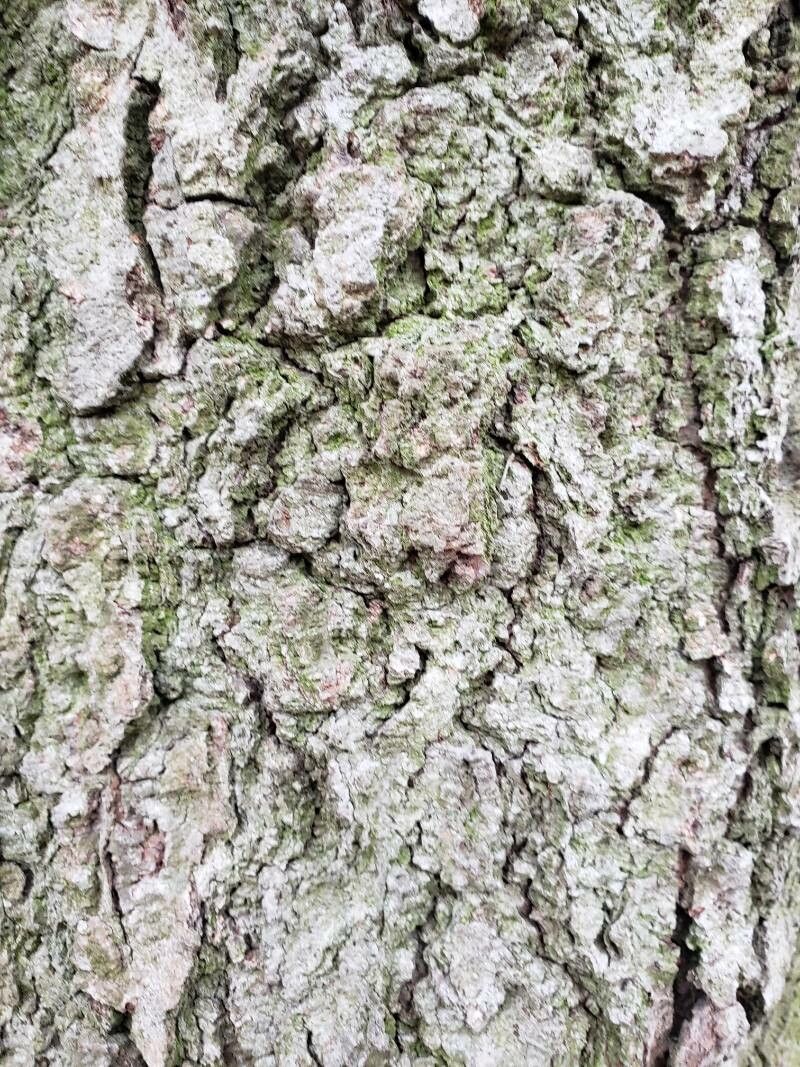
Let’s talk about Fagus grandifolia, or more commonly, American Beech. Oh, this tree is a stunner, isn’t it? Its smooth, silvery-grey bark can be a real focal point, especially in winter when its structure is so elegantly displayed. And those leaves! They turn the most magnificent shades of yellow, orange, and russet in the fall – a true woodland spectacle. Propagating these beauties can feel a bit like unlocking a special secret, and the reward of growing a new tree from a tiny piece is just immense. Now, I’ll be honest, Fagus grandifolia isn’t the absolute easiest plant for a brand-new gardener to propagate. It requires a bit of patience and the right approach, but don’t let that deter you! With a good understanding of what it needs, you can absolutely have success.
The Best Time to Start
Timing is everything, as we old gardeners say. For American Beech, the ideal time to propagate is usually in early summer, right after the new growth has started to harden off a bit. You’re looking for those semi-hardwood cuttings. This gives the stems enough maturity to have some stored energy, but they’re still flexible enough to root. Trying too early with incredibly soft, new growth can lead to rot, and waiting too late might mean the wood is too hard to root easily.
Supplies You’ll Need
Gathering your tools before you start makes the whole process smoother. Here’s what I always have on hand:
- Sharp, clean pruning shears or a sharp knife: Cleanliness is key to preventing disease.
- Rooting hormone: I prefer a powder or gel that contains IBA (indole-3-butyric acid).
- Well-draining potting mix: A good blend for me is about 50% peat moss and 50% perlite or coarse sand. This ensures good aeration and prevents waterlogging.
- Small pots or propagation trays: You want something that will hold moisture but also allow for drainage.
- Plastic bags or a propagation dome: This will create a humid environment.
- Watering can or spray bottle: For gentle watering.
Propagation Methods
While Fagus grandifolia can be a bit tricky, stem cuttings are generally our most reliable method from a piece of parent plant.
Stem Cuttings:
- Take your cuttings: In early summer, select healthy, vigorous shoots that have begun to grow but aren’t yet fully woody. You want pieces that are about 4-6 inches long. Make your cut just below a leaf node. This is where the plant has the most potential to form roots.
- Prepare the cutting: Gently remove the leaves from the lower half of the stem. You can leave two or three leaves at the top to help with photosynthesis. If the remaining leaves are very large, I often cut them in half to reduce water loss through transpiration.
- Apply rooting hormone: Dip the cut end of the stem into your rooting hormone, tapping off any excess. Ensure the hormone coats the node where you made your cut.
- Plant your cutting: Make a hole in your prepared potting mix with a pencil or your finger. Gently insert the cutting into the hole, making sure the rooting hormone stays in place and the base of the cutting is firmly in contact with the soil.
- Water gently: Water the potting mix thoroughly but gently. You don’t want to disturb the cutting.
- Create a humid environment: Place the pot inside a clear plastic bag, sealing it loosely, or cover it with a propagation dome. This will trap moisture and create the humid environment cuttings need. Place the pot in a bright spot, but out of direct sunlight.
The “Secret Sauce” (Pro Tips)
Here are a few things I’ve learned over the years that can really boost your success with Fagus:
- Bottom Heat is a Game Changer: A seedling heat mat placed under your propagation tray can significantly speed up root development. This warmth encourages root formation while keeping the top slightly cooler, which is exactly what beech cuttings love.
- Don’t Drown Your Hopes: While humidity is important, avoid letting the leaves of your cuttings sit directly in any pooled water within the pot or tray. This is a fast track to rot. If you see condensation dripping excessively, you can briefly open the bag or dome to let some air circulate.
- Patience is a Virtue (and a Necessity): Beech cuttings can take a while to show signs of rooting. Don’t be discouraged if you don’t see new growth for several weeks, or even a couple of months. Keep the medium consistently moist but not soggy, and maintain that humidity.
Aftercare & Troubleshooting
Once you see signs of new growth – a tiny leaf unfurling or a slight resistance when you gently tug on the cutting – it’s a good indication that roots have formed. Resist the urge to pull it out to check! Instead, gradually acclimate your new plant to less humid conditions by opening the bag or dome a little more each day over a week or two.
The most common problem you’ll encounter is rot. If your cutting turns black and mushy, it’s a sign of too much moisture and poor air circulation. Unfortunately, in this case, it’s usually best to discard it and start again, learning from what happened. Yellowing leaves with no sign of new growth might mean it’s not getting enough light or the medium is staying too wet for too long.
A Encouraging Closing
Propagating Fagus grandifolia is a journey, and like all good gardening endeavors, it’s one where you learn from every attempt. Be patient with yourself and with your cuttings. Celebrate the small victories, like good initial rooting, and don’t be too disheartened by setbacks. The satisfaction of nurturing a young beech tree from a snippet of a parent is truly special. Happy propagating!
Resource:
https://identify.plantnet.org/k-world-flora/species/Fagus%20grandifolia%20Ehrh./data