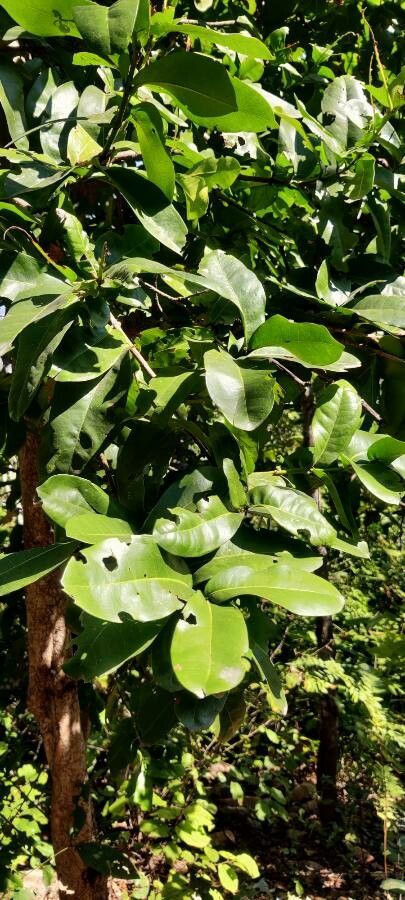
Hello, fellow plant lovers! Today, we’re diving into the wonderful world of propagating Ixora pavetta, often known as the “Nok Phayap” or “Jungle Geranium.” If you adore those vibrant clusters of star-shaped flowers that just scream tropical paradise, you’re in for a treat. Growing your own Ixoras from cuttings is incredibly rewarding. It’s a fantastic way to multiply your garden beauties, share them with friends, or simply fill your space with more of their cheerful blooms. While it might seem a little daunting at first, with a few pointers, you’ll be well on your way toIxora success.
The Best Time to Start
For the highest success rate, I always recommend starting your Ixora propagation during the active growing season. This is typically from late spring through early fall. You’re looking for nice, healthy, new growth on your parent plant. Think of it as taking cuttings when the plant is full of energy and ready to bounce back – and create new life! Avoid taking cuttings during extreme heat or when the plant is dormant in winter.
Supplies You’ll Need
Gathering your supplies beforehand makes the whole process so much smoother. Here’s what I usually have on hand:
- Sharp pruning shears or a clean knife: For making clean cuts.
- Rooting hormone (optional but recommended): This really gives your cuttings a boost.
- Small pots or seed trays: Clean ones are a must!
- Well-draining potting mix: A 50/50 blend of perlite and peat moss or coco coir works wonderfully. Some fine-milled bark can be good too.
- Plastic bags or a propagation dome: To create a humid environment.
- Water spray bottle: For keeping foliage moist.
- Labels: To remember what you’ve planted and when!
Propagation Methods: Taking Stem Cuttings
This is my go-to method for Ixora, and it’s quite reliable.
- Select Your Cuttings: Look for healthy, non-flowering stems that are about 4-6 inches long. You want pieces that have started to harden off slightly, but aren’t woody. A good indicator is a stem that bends a bit when you gently try to snap it.
- Make the Cut: Using your clean shears or knife, make a cut just below a leaf node (where a leaf attaches to the stem). This is where the highest concentration of rooting hormones is.
- Prepare the Cutting: Gently remove the leaves from the bottom two-thirds of the stem. You want to expose at least two or three nodes. If the remaining leaves are very large, you can cut them in half to reduce water loss.
- Apply Rooting Hormone: Dip the cut end of the stem into your rooting hormone powder or liquid. Tap off any excess.
- Pot Them Up: Fill your small pots with your prepared potting mix. Make a hole in the center with your finger or a pencil, and gently insert the cutting. Firm the soil around the base so it stands upright.
- Create Humidity: Water the soil lightly. Then, cover the pot with a clear plastic bag, propping it up with stakes so it doesn’t touch the leaves, or place it under a propagation dome.
- Find a Cozy Spot: Place your pots in a bright location with indirect sunlight. Avoid direct sun, as it can scorch the delicate cuttings.
The “Secret Sauce” (Pro Tips)
You’re not alone if you’ve tried before and had a few hiccups. Here are a couple of things I’ve learned over the years that really make a difference:
- Don’t Let Greenery Get Soggy: If you’re doing water propagation (which is less common for Ixora but can work for some) or using a humidity dome, ensure no leaves are submerged in water or sitting directly on constantly wet soil. This is a fast track to rot, and we want happy roots, not mushy stems!
- Bottom Heat is Your Friend: For stem cuttings, placing the pots on a gentle heat mat can significantly speed up root development. It mimics the warmth of the soil in summer and really encourages those roots to get going. Just make sure the heat isn’t too intense.
Aftercare & Troubleshooting
Once your cuttings are potted and covered, check them regularly. You’ll want to mist the foliage daily to keep them from drying out, especially if you don’t have a dome. After about 4-8 weeks, you should start to see signs of rooting. You can gently tug on a cutting – if there’s resistance, roots have formed!
The most common sign of failure is rot. Your cuttings will turn black and mushy. This is usually due to too much moisture and not enough air circulation. If you see this, remove the affected cutting immediately. Another sign is wilting that doesn’t perk up. This can also be from not enough humidity or the cutting hasn’t taken.
Once your Ixora cuttings have a good root system (you’ll see new leaf growth), you can gradually acclimate them to normal room conditions by removing the plastic bag or dome for longer periods each day. Then, you can repot them into slightly larger containers.
A Little Patience Goes a Long Way
Growing new plants is a magical process, and there’s such a thrill in seeing those tiny roots emerge. Don’t get discouraged if not every cutting takes. Gardening is all about learning and experimenting! So, gather your supplies, pick out some healthy stems, and give it a go. Enjoy the journey, and soon you’ll be surrounded by even more of those beautiful Ixora blooms! Happy propagating!
Resource:
https://identify.plantnet.org/k-world-flora/species/Ixora%20pavetta%20Andrews/data