Hello, fellow plant enthusiasts!
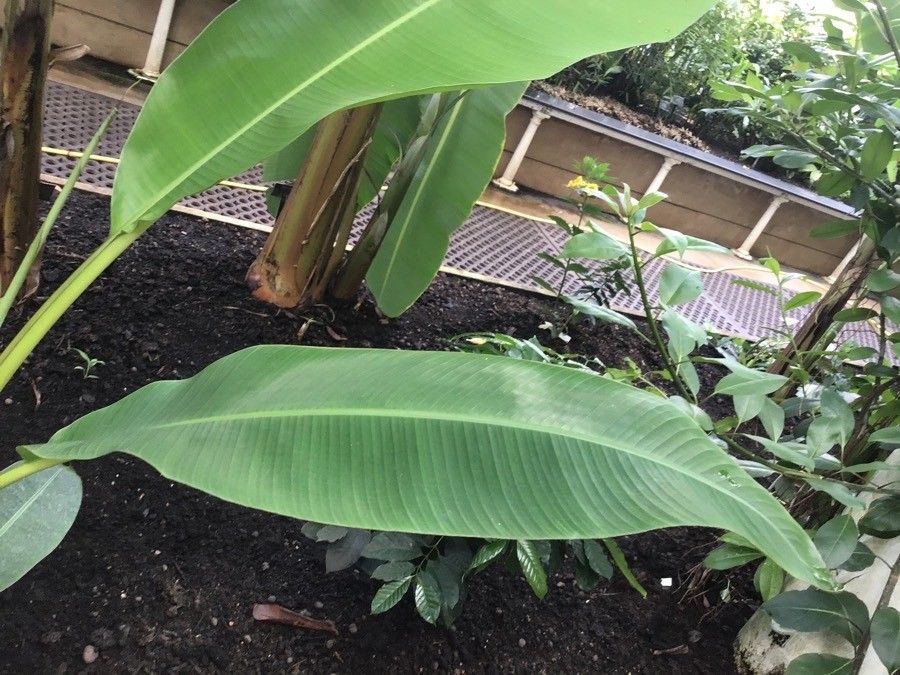
There’s something truly magical about coaxing new life from an existing plant. It’s a connection to nature’s cycles, a way to multiply your green joys, and for me, it’s become one of the most satisfying parts of gardening. Today, we’re diving into the wonderful world of propagating Musa campestris, that delightful member of the banana family. These gorgeous plants, with their elegant leaves, bring such a tropical flair to any space. And the best part? Creating more of them is a deeply rewarding journey. Now, is it a slam dunk for absolute beginners? I’d say it’s moderately straightforward, requiring a little attention to detail but nothing that should scare you off!
The Best Time to Start
My experience tells me the sweet spot for propagating Musa campestris is during its active growth phase. Think late spring through summer. This is when the plant is naturally energized and has the reserves to put into developing new roots. Starting a new offshoot when the parent plant is robust and happy will give your new baby the best chance to thrive. Avoid propagating during the plant’s dormant period, usually in cooler months; you’ll likely see slower progress or even a lack of success.
Supplies You’ll Need
To set yourself up for success, gather these essentials:
- Sharp, clean pruning shears or a sterile knife: Cleanliness is paramount to prevent disease.
- Well-draining potting mix: I usually go for a blend of peat moss, perlite, and a bit of compost. Something airy is key.
- Rooting hormone powder (optional but recommended): This can give your cuttings a helpful boost. Look for one specifically for encouraging root development.
- Small pots or propagation trays: Ensure they have drainage holes!
- Watering can with a fine rose or a spray bottle: Gentle watering is important.
- Plastic bags or propagation domes: These help maintain humidity.
- Labels and a marker: Keep track of what you’ve propagated and when!
Propagation Methods
Musa campestris typically propagates through division, which is my go-to method for this plant.
Division of Suckers
Musa campestris plants readily produce suckers or pups – these are baby plants that emerge from the base of the mother plant. They are essentially mini versions of the parent, complete with their own root system.
- Inspect Your Mother Plant: Look for healthy, established suckers. A good sucker will have its own visible leaves and be at least a foot tall. It’s best to wait until the sucker is a decent size, as it will have a better chance of survival on its own.
- Prepare Your Tools: Make sure your pruning shears or knife are sparkling clean. This is really important to avoid introducing any nasties.
- Carefully Separate the Sucker: Gently dig around the base of the sucker you wish to remove. You’re trying to expose the point where it connects to the mother rhizome. Using your clean tool, make a clean cut to sever the sucker from the mother plant. Try to get as much of its root system as possible. If it’s a very small sucker and doesn’t have many roots yet, that’s okay, but it might take a bit longer to establish.
- Allow to Callus (Optional but helpful): If you’ve taken a larger piece or if the cut looks a bit “wet,” let it sit out of soil in a dry, bright spot for a few hours, or even overnight. This allows the cut surface to dry and form a protective callus, which can help prevent rot.
- Pot Up Your New Plant: Fill a small pot with your well-draining potting mix. Make a hole in the center and plant the sucker. Gently firm the soil around its base, ensuring it’s stable. You want the top of the rhizome (where the roots are) to be just at or slightly below the soil surface.
- Water Gently: Water thoroughly but gently. You don’t want to dislodge the new plant.
- Provide Humidity: Now, help your new plant feel right at home. You can either cover the pot with a clear plastic bag (making sure the leaves don’t touch the inside of the bag, if possible) or place it in a propagation tray with a lid. The goal is to maintain high humidity around the cutting.
The “Secret Sauce” (Pro Tips)
Here are a couple of things I’ve learned along the way that can really make a difference:
- Don’t let any part of the leaves touch standing water if you’re trying to root in water (though division is better for Musa campestris). When I propagate by division and place the potted sucker under a humidity dome, I make sure the foliage is well above the soil line and not in direct contact with any condensation that might build up. This greatly reduces the risk of leaf rot.
- Bottom heat is your friend. If you have a greenhouse or a warm spot indoors, placing your newly potted suckers on a gentle heating mat can significantly speed up root development. Bananas love warmth to get their roots going, and that extra boost from below really helps.
Aftercare & Troubleshooting
Once your Musa campestris sucker is potted up, keep it in a bright, indirect light location. Avoid direct, harsh sun which can scorch its new leaves. Keep the soil consistently moist but not waterlogged. Think of it like a wrung-out sponge.
The first sign of success will be new leaf growth. It might take a few weeks to a couple of months, so patience is key!
Now, what can go wrong?
- Rot: This is the most common issue, especially if the soil stays too wet or if the cut wasn’t allowed to callus. You might see the base of the plant turn mushy and brown, and the leaves might yellow and wilt. If you suspect rot, gently remove the plant from the pot and trim away any affected mushy parts with your sterile tool. Let it air dry for a day or two before repotting in fresh, well-draining soil.
- Wilting: Some initial wilting is normal as the plant adjusts and works on its roots. However, if it’s severe and persistent, it could indicate insufficient humidity or root problems. Ensure the humidity is high and check the soil moisture.
- No Growth: This often means the roots haven’t developed yet, or conditions aren’t ideal. Ensure it’s warm enough and has bright, indirect light. Sometimes, they just take their sweet time!
A Encouraging Closing
Propagating Musa campestris is a journey of nurturing and observation. Don’t be discouraged if your first attempt isn’t a runaway success. Every plant is a learning experience, and the joy of watching that tiny sucker unfurl its first new leaf under your care is an unparalleled reward. So, grab your tools, embrace the process, and get ready to multiply your tropical delight! Happy propagating!
Resource:
https://identify.plantnet.org/k-world-flora/species/Musa%20campestris%20Becc./data