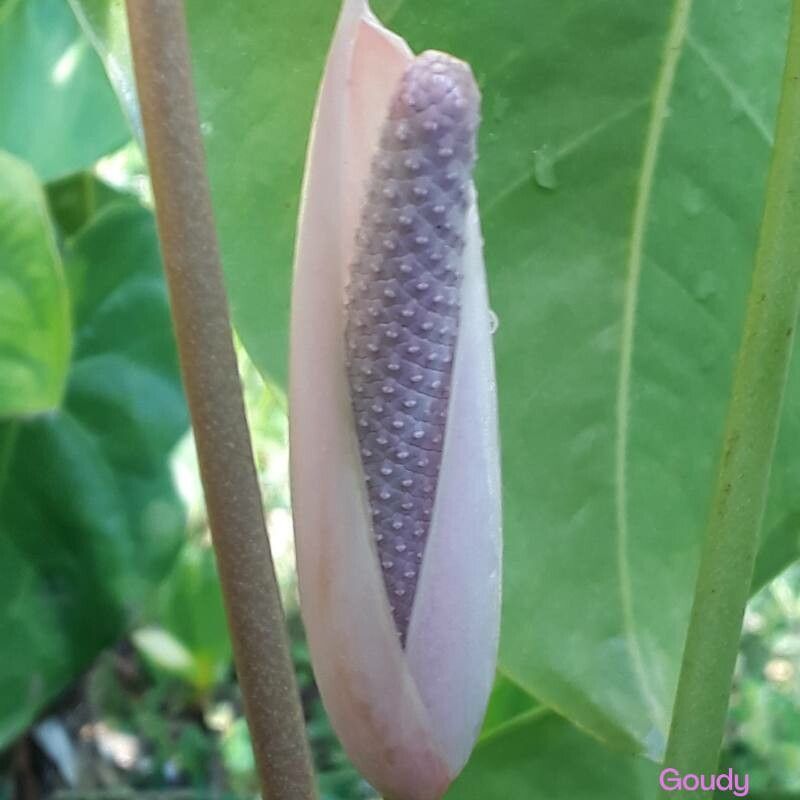
Hey there, fellow plant lovers! It’s so lovely to be sharing some garden wisdom with you today. If you’ve ever admired the glossy, heart-shaped leaves of an Anthurium formosum, you know exactly why it’s such a showstopper. These beauties bring a touch of the tropics right into our homes, and there’s nothing quite as satisfying as creating new life from an existing plant.
Propagating Anthurium formosum can be a tad more involved than, say, a pothos, but it’s absolutely doable! While it might not be the super beginner-friendly plant for your very first propagation foray, with a little care and attention, you’ll be rewarded with your own little baby anthuriums. Think of it as a delightful challenge that blooms into success.
The Best Time to Start
I find the best time to get your propagation underway is during the active growing season. For most of us, this means spring and early summer. The plant is bursting with energy, and new growth is readily available. You’re more likely to see successful rooting when the days are longer and warmer, and the plant is naturally inclined to push out new roots.
Supplies You’ll Need
Gathering your tools before you begin makes the whole process smoother. Here’s what I usually have on hand for propagating anthuriums:
- Sharp, clean pruning shears or a knife: Essential for making clean cuts.
- Rooting hormone powder or gel: While not strictly mandatory, it really gives your cuttings a boost.
- Well-draining potting mix: A blend of peat moss, perlite, and orchid bark is fantastic. You want something airy that won’t hold too much moisture.
- Small pots or propagation trays: Choose pots with drainage holes.
- Clear plastic bag or a propagation dome: To create a humid microclimate.
- Water: For watering your cuttings.
- Optional: Bottom heat mat: This can significantly speed up rooting.
Propagation Methods
Anthurium formosum can be propagated successfully through a couple of methods. Division is my go-to when the plant is mature enough, but stem cuttings are also a great option.
Division
This is often the easiest and most successful method for Anthurium formosum, especially for more mature plants that have started to form pups or offsets at their base.
- Gently remove the mother plant from its pot. You might need to loosen the soil around the edges.
- Inspect the root ball. Look for smaller plantlets or pups that have emerged from the base of the main plant. These usually have their own roots.
- Carefully separate the pups from the main plant. Use your fingers to gently tease them apart. If they are tightly attached, you may need to use a clean knife or shears to make a cut, ensuring each pup has some roots attached.
- Pot up the separated pups into their own small pots filled with your well-draining potting mix.
- Water lightly and place the new pots in a bright, indirect light location.
Stem Cuttings
This method works well if you have a healthy stem with at least one node (where a leaf or aerial root attaches).
- Select a healthy stem that has at least one node. Using your clean pruning shears, make a cut just below a node. Aim for a cutting that’s a few inches long and has at least one or two healthy leaves.
- Remove any lower leaves that might rot if they touch the soil or water.
- Dip the cut end of the stem into rooting hormone powder or gel, tapping off any excess.
- Pot the cutting into your well-draining potting mix. Make a small hole with your finger and insert the cut end, firming the soil gently around it. Ensure at least one node is buried beneath the soil surface.
- Water thoroughly until water drains from the bottom.
- Create a humid environment by covering the pot with a clear plastic bag or placing it under a propagation dome. Make sure the leaves aren’t touching the inside of the bag once it’s sealed.
- Place in bright, indirect light.
The “Secret Sauce” (Pro Tips)
After years of coaxing new plants to life, I’ve picked up a few tricks. These little things can make a big difference!
- Don’t let the leaves touch the water (if water propagating): If you choose to try water propagation (though division and soil are generally more reliable for anthuriums), make sure the leaves aren’t submerged. Only the cut stem should be in the water. Rot is a quick way to say goodbye to your cutting.
- Bottom heat is your best friend: Especially for stem cuttings in soil, placing the pot on a gentle bottom heat mat will often dramatically speed up root development. It mimics the warmth of the soil surface that new roots naturally seek.
- Patience is key with nodes: For stem cuttings, the node is where the magic happens. New roots and even shoots will emerge from it. Make sure you have at least one node buried in the soil to give yourself the best chance.
Aftercare & Troubleshooting
Once your cuttings have rooted (you’ll know when you see new leaf growth or when they resist a gentle tug), it’s time to ease them into regular care.
- Gradually acclimate: If you’ve been using a humidity dome, slowly remove it over a week or two to prevent shock.
- Watering: Water when the top inch of soil feels dry. Avoid overwatering, as this is the most common cause of root rot.
- Light: Continue to provide bright, indirect light.
- Troubleshooting: The most common issue is rot. If you notice your cutting turning mushy or black, it’s likely succumbed to rot. This is usually due to too much moisture and not enough air circulation. If you catch it early, you might be able to cut away the rotted part and try again, but often, it’s a sign to start over. Yellowing leaves before rooting can indicate too much or too little water, or insufficient light.
A Little Encouragement
Propagating plants is such a rewarding journey. There will be moments of triumph and perhaps a few that don’t quite make it, and that’s all part of learning. Be patient with yourself and your little anthuriums. Enjoy the process of nurturing new life, and soon you’ll have even more of those stunning glossy leaves to admire! Happy propagating!
Resource:
https://identify.plantnet.org/k-world-flora/species/Anthurium%20formosum%20Schott/data