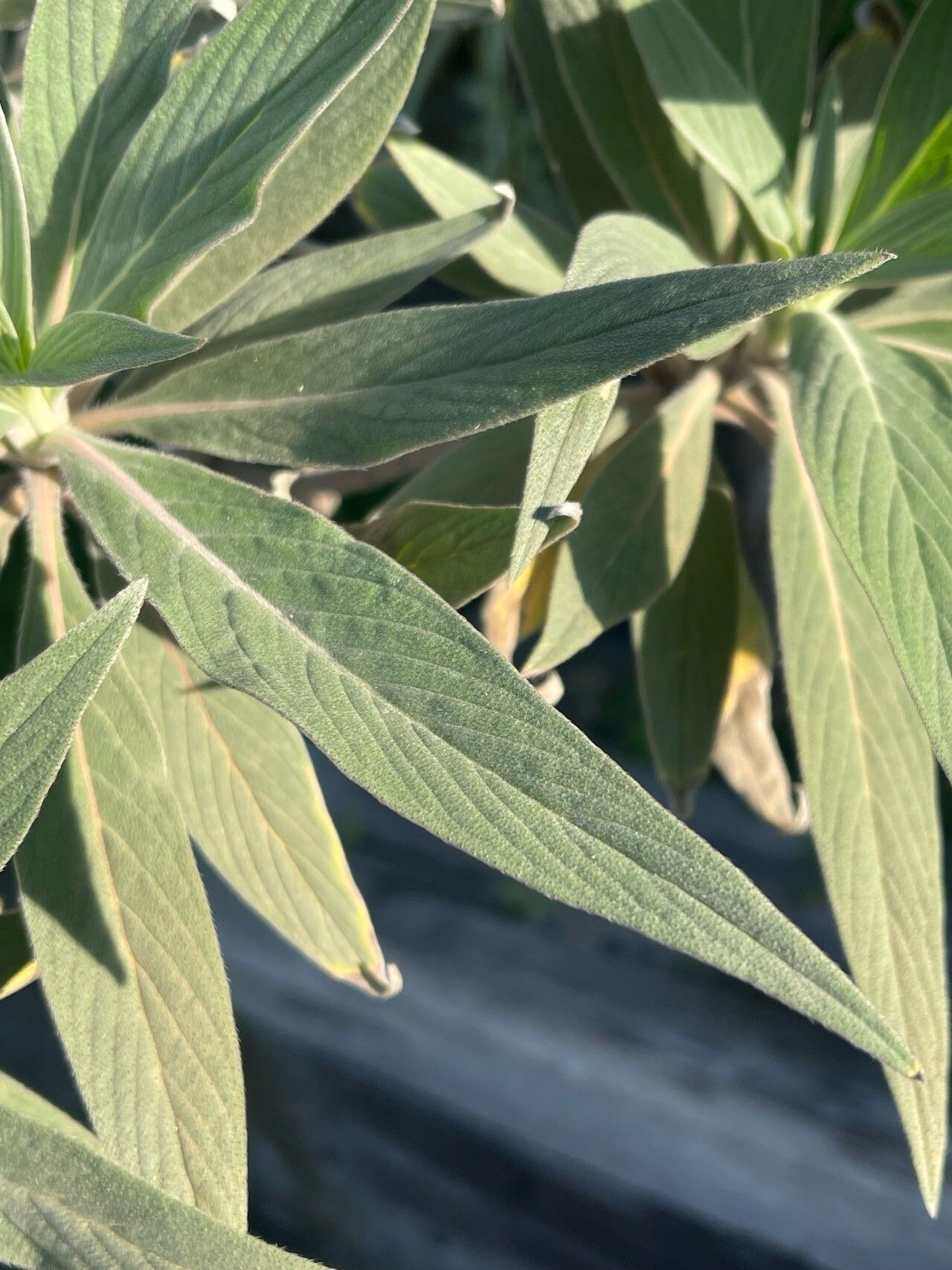
Oh, those magnificent Echiums! If you’ve ever seen a Echium candicans, or Pride of Madeira, gracing a garden, you know what I mean. They’re like living sculptures, with their dramatic spires of electric blue flowers that just buzz with bees. Growing them from scratch? It’s incredibly satisfying. You get to witness that tiny piece of potential transform into something truly spectacular. Now, some people might tell you it’s fiddly, but honestly, with a few tips, I find it’s quite manageable, even for those just starting out.
The Best Time to Start
For the most success with Echium candicans, I like to get started in the late spring or early summer, right after they’ve finished their spectacular flowering display. The plant itself is actively growing, and the stems are firm but not too woody. This is the sweet spot. You can absolutely try in early autumn, but you might find the cuttings take a bit longer to root, and there’s a slightly higher risk of rot in cooler, wetter conditions.
Supplies You’ll Need
Here’s what you should have on hand:
- Sharp, clean pruning shears or a good knife: Sterilize them with rubbing alcohol before you begin.
- Rooting hormone: I prefer a powder form, but a gel works well too.
- Well-draining potting mix: A succulent or cactus mix is perfect, or you can mix your own with equal parts potting soil, perlite, and coarse sand.
- Small pots or propagation trays: Make sure they have drainage holes.
- A watering can with a fine rose attachment or a spray bottle.
- Plastic bags or a clear propagation dome: We’ll use these to create a humid environment.
- (Optional) A heated propagator or heat mat: This can speed things up considerably.
Propagation Methods
My go-to method for Echium candicans is stem cuttings. It’s reliable and gives you a strong start.
Taking Stem Cuttings:
- Find a healthy parent plant. Look for a stem that’s not currently flowering and has made some good new growth.
- Make your cut. Using your sterilized shears, take a cutting that’s about 4-6 inches long. Cut just below a leaf node – that’s where the roots will emerge from. Try to include a few sets of leaves.
- Prepare the cutting. Gently remove the lower leaves, leaving about 2-3 sets of leaves at the top. This helps prevent rot and exposes the nodes for rooting. You can even cut some of the remaining leaves in half if they’re very large, to reduce water loss through transpiration.
- Dip in rooting hormone. Lightly moisten the cut end of the stem, then dip it into your rooting hormone powder or gel. Tap off any excess.
- Plant the cutting. Fill your small pots with the well-draining mix. Make a small hole with your finger or a pencil, and carefully insert the cutting. Firm the soil gently around the base.
- Water gently. Water the potting mix until it’s moist but not waterlogged.
Water Propagation (A slightly more experimental but fun option!):
While I generally prefer soil for echiums, you can try water.
- Take your cuttings as described above. Remove all but the top few leaves.
- Place the cuttings in a jar or glass of clean water. Make sure no leaves are submerged – this is critical to prevent rot. Just the cut stem should be in the water.
- Keep in bright, indirect light. Change the water every few days. You should start to see tiny white roots forming after a few weeks.
- Once roots are about an inch long, carefully pot them into well-draining soil. Treat them as you would any other new cutting.
The “Secret Sauce” (Pro Tips)
- Bottom Heat is Your Friend: If you have a heated propagator or a seedling heat mat, use it! A consistent temperature of around 70-75°F (21-24°C) really encourages faster and more reliable rooting. It’s like a warm hug for those developing roots.
- Don’t Over-Water, Ever! This is probably the most common mistake. Echiums are succulents at heart and hate soggy feet. Let the top inch of soil dry out slightly between waterings. The plastic bag or dome will help keep the humidity high, so you won’t need to water as much as you think.
- Patience with the Hormone: Rooting hormone is a helper, not a magic wand. Some cuttings will root quickly, others take their sweet time. Don’t get discouraged if you don’t see progress immediately.
Aftercare & Troubleshooting
Once your cuttings have rooted – you’ll know because you’ll see new leaf growth, or a gentle tug will meet resistance – it’s time for a slightly different routine.
Gradually introduce them to more light over a week or two. If you were using a plastic bag, start by opening it for a few hours a day, then leave it off completely. Continue to water only when the soil starts to feel dry to the touch. You can give them a very diluted liquid feed once they’re established, maybe once a month during the growing season.
Common issues to watch out for:
- Rot: If your cutting turns black and mushy at the base, it’s rotted. This is almost always due to overwatering or poor drainage. There’s no saving a rotted cutting, unfortunately. Keep the soil on the drier side to prevent this in the future.
- Wilting: This can be a sign of too little water, but also of the cutting not rooting yet and losing moisture. If the soil is moist and it’s still wilting, it’s likely struggling to establish roots.
- No Growth: Sometimes, a cutting just doesn’t take. That’s gardening for you! Don’t take it personally.
A Little Bit of Patience Goes a Long Way
So there you have it! Propagating Echium candicans is a rewarding journey. Be observant, trust your instincts, and remember that even with the best intentions, not every cutting will make it. But the ones that do… oh, they are treasures. Enjoy the process of nurturing these wonderful plants. Happy gardening!
Resource:
https://identify.plantnet.org/k-world-flora/species/Echium%20candicans%20L.f./data