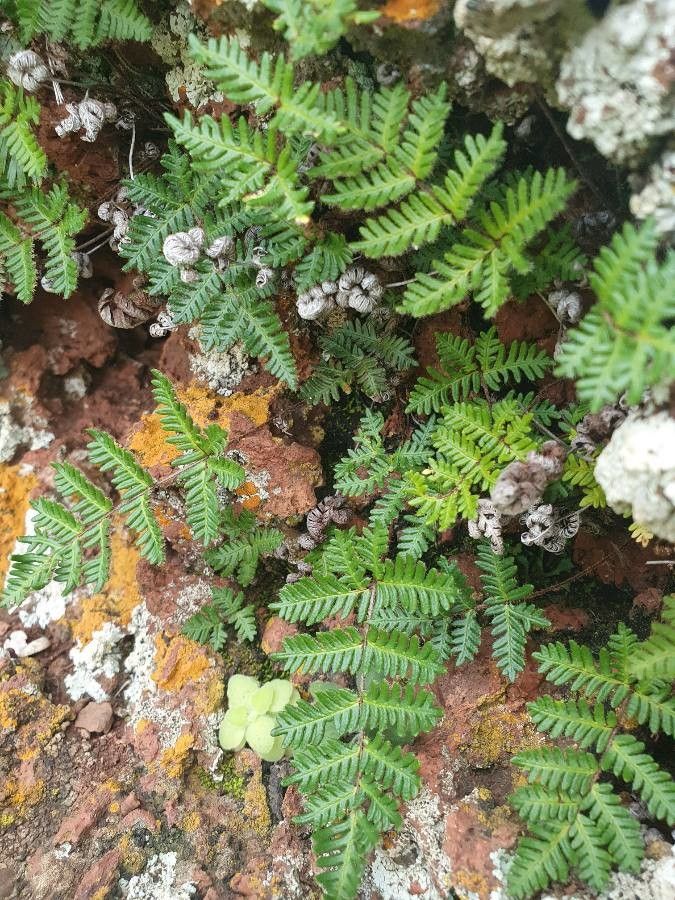
Ah, Asplenium cordatum! You know, the Heartleaf Spleenwort. There’s something so special about these ferns. Their glossy, heart-shaped fronds bring such a lovely, almost architectural grace to any shady corner or terrarium. They’re not as commonly seen as some of the more ubiquitous ferns, which makes them feel a bit like a special treasure when you have one. And the best part? You can easily multiply that treasure! For those of you just starting your fern journey, I’d say Asplenium cordatum is a fairly straightforward fern to propagate. It’s a rewarding plant to grow, and even more rewarding to share.
The Best Time to Start
The sweet spot for propagating most ferns, including our Asplenium cordatum, is during their active growing season. Think late spring through summer. This is when the plant has the most energy reserves and is busy putting out new growth, making it more receptive to the propagation process. Trying to do it during a dormant period might, well, just lead to disappointment.
Supplies You’ll Need
Gathering your supplies beforehand makes the whole process so much smoother. Here’s what I usually have on hand:
- Sharp Pruning Shears or a Clean Knife: For making clean cuts.
- Well-Draining Potting Mix: A good blend for ferns often includes peat moss, perlite, and a bit of orchid bark. You want it to hold moisture but not get waterlogged.
- Small Pots or Containers: Yogurt cups with drainage holes punched in the bottom work surprisingly well!
- Watering Can with a Fine Rose: For gentle watering.
- Plastic Bags or a Propagator Lid: To create a humid dome.
- Optional: Rooting Hormone Powder (for division): Not always strictly necessary for Asplenium cordatum, but can give an extra boost.
- Optional: Heating Mat: For a little extra warmth.
Propagation Methods
There are a couple of ways to get new Asplenium cordatum plants, but my favorite for this particular fern is division. It’s the most direct and usually the most successful.
Division
This method relies on the fact that ferns naturally grow from a central rhizome, which will eventually produce multiple crowns.
- Gently Remove the Fern from its Pot: Carefully tip the pot and slide the plant out. If it’s a bit stuck, you can run a clean knife around the edge of the pot.
- Examine the Rhizome: You’ll see the fleshy, underground stem (the rhizome). Look for natural divisions where new fronds are emerging from separate points. You might even see small, established plantlets attached to the main rhizome.
- Make the Cut: Using your sharp pruning shears or knife, carefully separate the rhizome. You want to divide it into sections, ensuring each section has at least one healthy frond and a good portion of the rhizome with roots attached. Don’t be afraid to make clean cuts; a jagged tear can invite problems.
- Pot Up Your Divisions: Plant each division into its own small pot filled with your well-draining fern mix. Bury the rhizome just slightly below the surface, so the base of the fronds are at soil level.
- Water Gently: Water thoroughly but gently, making sure not to disturb the roots.
The “Secret Sauce” (Pro Tips)
Here are a few little tricks that have made a big difference in my own propagation successes:
- Humidity is King: After potting up your divisions, create a mini-greenhouse effect. You can do this by placing the pots inside a clear plastic bag, sealing it loosely, or covering them with a propagator lid. This keeps the humidity high, which is crucial for ferns. Just remember to open it for a little bit of air circulation every few days to prevent fungal issues.
- Don’t Overwater, But Keep ‘Em Damp: The goal is consistently moist, not waterlogged. Overwatering is the quickest way to invite root rot, which is a fern’s nemesis. If you can gently press the soil and it springs back, it’s likely good.
- Warmth Helps: While they don’t need blazing heat, a little consistent warmth from below can really speed things up. If you have a heating mat used for seedlings, place your pots on it. It provides that gentle encouragement for root development.
Aftercare & Troubleshooting
Once your divisions are potted up, treat them like you would a mature Asplenium cordatum, just with a bit more delicacy. Keep them in a bright, indirect light location, away from harsh sun. Continue to maintain that high humidity.
You’ll know things are going well when you start to see new frond growth appearing within a few weeks to a couple of months. Don’t panic if it takes a little while; ferns can be patient growers!
The most common problem you might encounter is rot. If you see the fronds turning yellow, mushy, or developing black spots, it’s usually a sign of too much moisture. If you catch it early, you can try to gently remove the affected parts and let the soil dry out a little more. Sometimes, unfortunately, if the rot is extensive, it’s best to discard the division to prevent it from spreading to healthier plants. Brown, crispy fronds, on the other hand, usually indicate the air is too dry.
A Encouraging Closing
Propagating plants like Asplenium cordatum is such a fulfilling part of gardening. It’s about patience, understanding the plant’s needs, and a little bit of trial and error. Don’t get discouraged if your first attempt isn’t perfect. Each new plant you nurture is a little victory, and soon you’ll have more of these beautiful ferns to enjoy and share. Happy propagating!
Resource:
https://identify.plantnet.org/k-world-flora/species/Asplenium%20cordatum%20(Thunb.)%20Sw./data