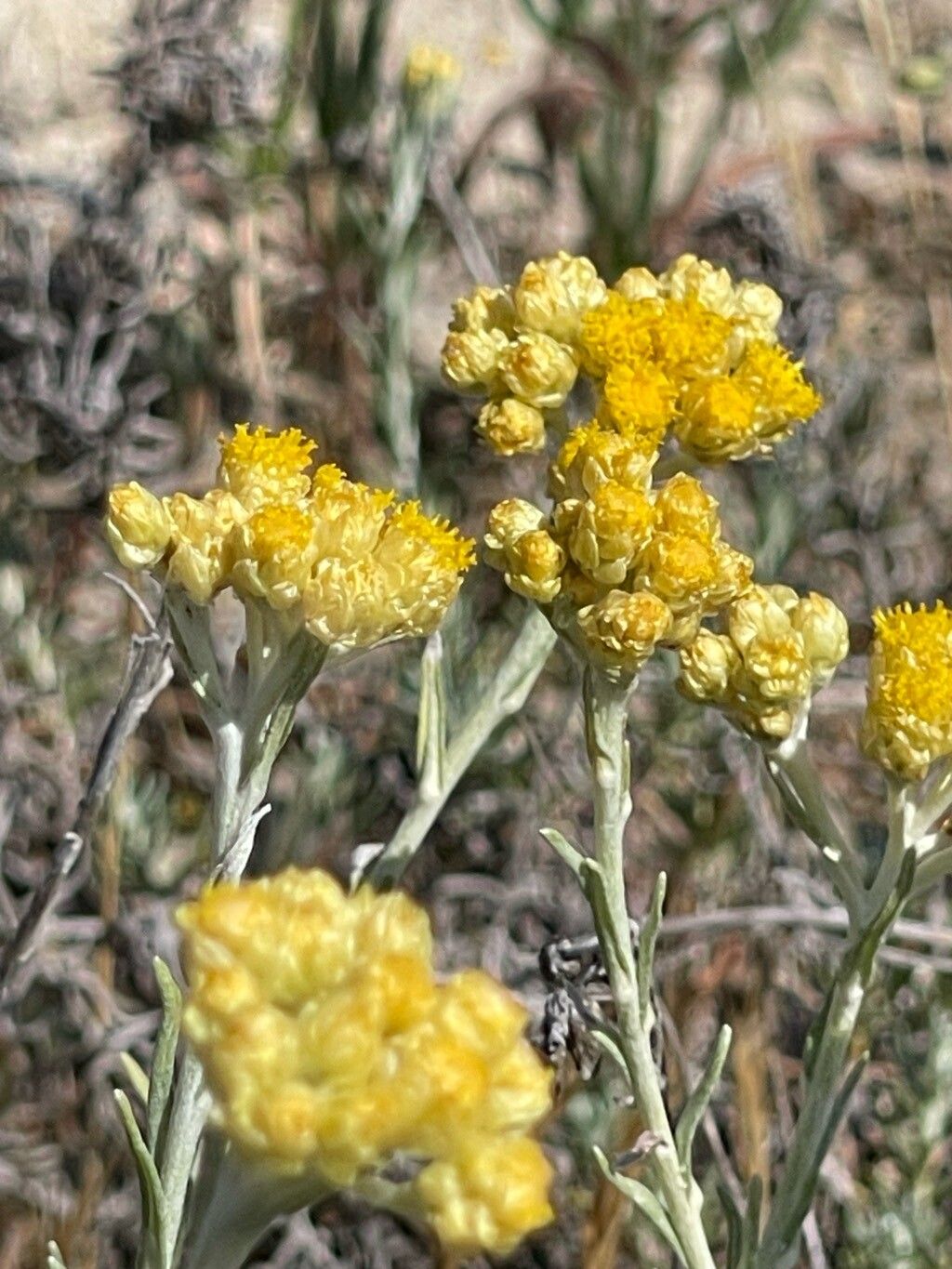
Hey there, fellow garden enthusiasts! You know, there’s something truly special about Helichrysum arenarium, also known as dwarf everlastings or curry plant. That unique, silvery foliage and the subtle, lingering aroma – it just adds a touch of something different to the garden, doesn’t it? And the best part? Getting more of these beauties for yourself is absolutely doable, and incredibly rewarding. I’ve found propagating this little charmer to be quite forgiving, even for those just starting to dip their toes into the wonderful world of plant propagation.
The Best Time to Start
For Helichrysum arenarium, I find the late spring to early summer is absolutely prime time. Think of it as when the plant is really hitting its stride, growing vigorously after the chill of winter has passed. Taking cuttings from this actively growing, yet not overly woody, material gives them the best shot at rooting successfully. You want young, flexible stems, not the stiff, mature ones from the end of the season.
Supplies You’ll Need
Before we dive in, let’s gather our tools. It’s always good to have everything ready!
- Sharp pruning shears or a clean knife: For making neat cuts.
- Rooing hormone (optional but recommended): Helps speed things up.
- Small pots or trays: With good drainage holes!
- Well-draining potting mix: A 50/50 blend of perlite and peat moss or coir works wonders. You can also use a cactus/succulent mix.
- A clear plastic bag or propagator lid: To create a humid environment.
- Watering can with a fine rose: For gentle watering.
- Labels: So you don’t forget what you planted!
Propagation Methods
Let’s get our hands dirty! Stem cuttings are my go-to for Helichrysum arenarium.
- Taking the Cuttings: In late spring or early summer, select healthy, non-flowering stems from your mature plant. Using your clean pruning shears, cut stems that are about 3-4 inches long. Make the cut just below a leaf node (where a leaf attaches to the stem).
- Preparing the Cuttings: Gently remove the lower leaves from the cutting, leaving just the top few. This prevents them from rotting once planted. If you’re using rooting hormone, dip the cut end of each stem into it, tapping off any excess.
- Planting the Cuttings: Fill your small pots or trays with your well-draining potting mix. Make a small hole with your finger or a pencil. Insert the cut end of each Helichrysum cutting into the hole, ensuring the leaf nodes are buried. Gently firm the soil around the base of each cutting.
- Creating Humidity: Water the soil gently until it’s moist but not soggy. Then, cover the pots with a clear plastic bag or a propagator lid. This traps humidity, which is crucial for successful rooting. You can pop the pots into a larger clear bag as well.
- Placement: Place the pots in a bright spot with indirect sunlight. Avoid direct sun, as it can scorch the delicate cuttings.
The “Secret Sauce” (Pro Tips)
Here are a couple of my little tricks that often make a big difference:
- Don’t let those lower leaves touch the soil! I know I mentioned it, but seriously, it’s a common culprit for rot. If a leaf is too close to the soil surface, trim it off.
- Bottom heat is a game-changer. If you have a heat mat designed for seedlings, placing your pots on it can significantly speed up root development. It mimics the warmth of spring soil and encourages those roots to get going.
Aftercare & Troubleshooting
Once your cuttings are planted, the waiting game begins. Keep the soil consistently moist but never waterlogged. Feel the top of the soil; if it feels dry an inch down, it’s time to water gently. You should start to see new growth or feel a bit of resistance when you gently tug on the cutting – that’s a good sign of roots forming! This can take anywhere from 3 to 6 weeks.
The most common issue you might encounter is rot. If a cutting turns black and mushy, it’s usually a sign of overwatering or poor drainage. Don’t be discouraged if a few don’t make it; it’s all part of the learning process! Just remove them and keep an eye on the others.
A Encouraging Closing
And there you have it! Propagating Helichrysum arenarium is a really satisfying endeavour. Be patient with your new little plants. Watching those tiny roots develop and then seeing new foliage emerge is such a joy. Enjoy the process, and soon you’ll have even more of that lovely, silvery foliage to enjoy in your garden or a vase. Happy propagating!
Resource:
https://identify.plantnet.org/k-world-flora/species/Helichrysum%20arenarium%20(L.)%20Moench/data