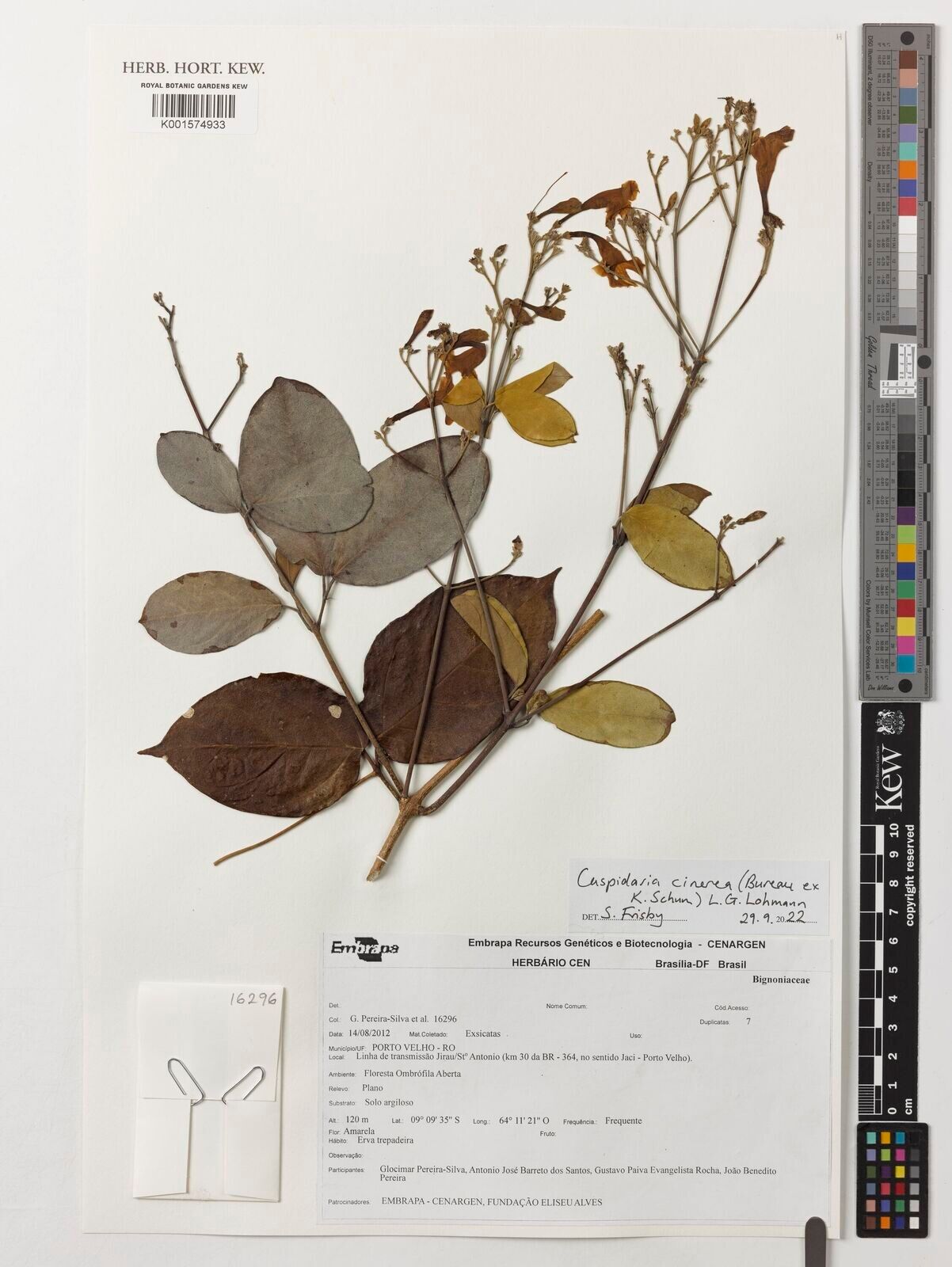
Ah, Cuspidaria cinerea! If you’ve ever been mesmerized by its delicate, trumpet-shaped blooms and that whisper of a scent that drifts on a warm evening, you’re not alone. This vine is a real charmer, bringing a touch of effortless elegance to any garden space. And the joy of growing more of these beauties from your own efforts? Well, that’s a special kind of gardening reward. I’ve found Cuspidaria cinerea to be moderately easy to propagate, which means even if you’re just starting out, you’ll likely have success with a little patience.
The Best Time to Start
For propagating Cuspidaria cinerea, I’ve found late spring or early summer to be the sweet spot. This is when the plant is actively growing, and the new shoots are plump and full of life. You’re trying to capture that vibrant energy. Aim for softwood or semi-hardwood cuttings – not the brand new, flimsy growth, but also not the old, woody stems.
Supplies You’ll Need
Here’s what I always have on hand when I’m ready to multiply my vines:
- Sharp, clean pruning shears or a sharp knife: Absolutely crucial for making clean cuts.
- Rooting hormone (optional, but recommended): A powder or gel can give your cuttings a real boost.
- A well-draining potting mix: I like a blend of equal parts peat moss or coco coir and perlite or coarse sand. Good aeration is key.
- Small pots or propagation trays: Clean ones, of course!
- Plastic bags or a propagation dome: To create a humid environment.
- Water: For, well, watering!
- Labels: Trust me, you’ll thank yourself later.
Propagation Methods
I’ve had the most success with stem cuttings for Cuspidaria cinerea. It’s pretty straightforward.
Stem Cuttings:
- Take your cuttings: During the active growing season, select healthy stems. Use your sharp shears to take cuttings about 4-6 inches long. Make the cut just below a leaf node (where a leaf attaches to the stem).
- Prepare the cuttings: Gently remove the lower leaves, leaving just a few at the very top. If your leaves are quite large, you can even cut them in half horizontally to reduce water loss.
- Apply rooting hormone: Dip the cut end of the stem into your rooting hormone powder or gel, tapping off any excess.
- Plant the cuttings: Fill your small pots with your prepared potting mix, dampen it thoroughly, and then use a pencil or your finger to make a small hole. Insert the cuttings into the holes, ensuring the nodes where you removed the leaves are buried. Gently firm the soil around the base.
- Create humidity: Water gently. Cover the pots with a clear plastic bag or place them under a propagation dome. This creates a mini-greenhouse effect, keeping the humidity high, which is vital for cuttings that haven’t developed roots yet.
The “Secret Sauce” (Pro Tips)
Here are a couple of things I’ve learned over the years that make a big difference:
- Don’t let the leaves touch the water: If you decide to try water propagation (which I find a bit trickier for this particular vine as it can lead to rot), make absolutely sure that no leaves are submerged. They’ll just turn slimy and encourage disease. For cuttings in soil, this means keeping the soil level below the leaves.
- Bottom heat is your friend: If you have a heat mat for seedlings, placing your propagation pots on it can significantly speed up root development. It mimics the warmth of spring soil and gives those little root cells a real kick-start.
- Hygiene is paramount: I can’t stress this enough. Always use clean tools and clean pots. A bit of bleach or horticultural soap diluted in water works wonders to sterilize everything. This prevents fungal diseases from taking hold of your tender new cuttings.
Aftercare & Troubleshooting
Once your cuttings have rooted – you’ll see new leaf growth or feel resistance when you give them a gentle tug – it’s time for a bit more care.
Transitioning: Gradually acclimatize them to normal room conditions by opening the plastic bag or propagator for increasing periods over a few days. Then, you can remove the cover entirely. Continue to water them just as you would any young plant, keeping the soil consistently moist but not waterlogged.
Troubleshooting: The most common issue you’ll encounter is rot. If a cutting turns mushy, black, or just wilts without any sign of new growth, it’s likely succumbed to rot. This usually happens due to overwatering or poor air circulation. If you see this happening, remove the affected cutting immediately to prevent it from spreading. Another sign of struggle is if the leaves start to yellow and drop, which can indicate too much light, not enough humidity, or a lack of rooting.
A Encouraging Closing
Propagating Cuspidaria cinerea is a journey, and like any good journey, it’s about the process as much as the destination. Be patient with your cuttings. Some will take off beautifully, while others might take a little longer. Don’t get discouraged if you don’t get it perfect the first time around. Each attempt teaches you something new. So, grab your shears, get your hands in the soil, and enjoy the magic of coaxing new life from your favorite vine!
Resource: