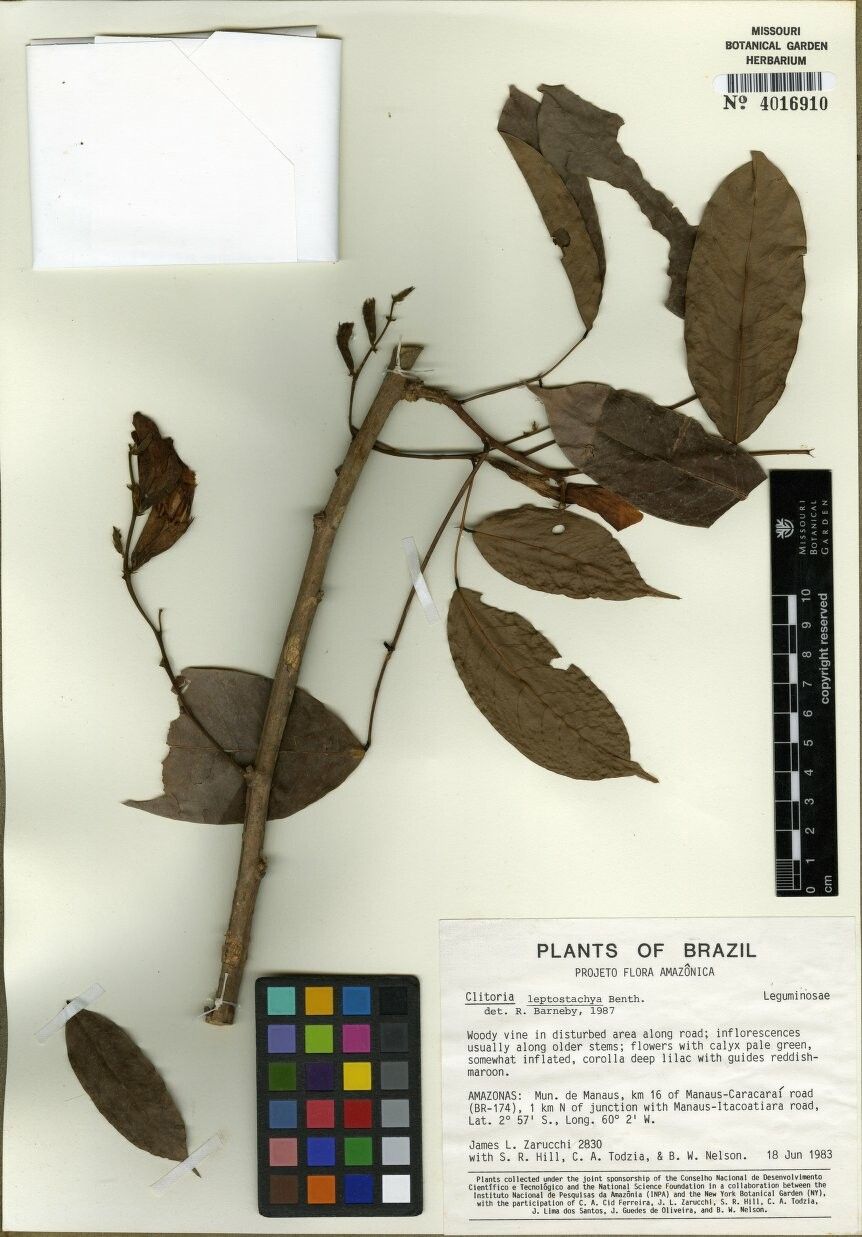
Oh, hello there! Pull up a chair and let’s chat about Clitoria leptostachya. If you haven’t met this beauty yet, you’re in for a treat. It’s often called the Butterfly Pea, and for good reason! The flowers are this stunning, vibrant blue, almost unreal. Growing them yourself adds such a splash of tropical charm to the garden, and there’s a special kind of joy in coaxing a new plant to life from a tiny piece of your existing one. Now, I’ve helped many new gardeners get their hands dirty, and while some plants can be a bit finicky, I’d say Clitoria leptostachya is moderately easy to propagate. A little patience and a few key steps, and you’ll be well on your way!
The Best Time to Start
For Clitoria leptostachya, spring and early summer are your golden windows. This is when the plant is really putting on its growth spurt, meaning it has plenty of energy to devote to making new roots. You want to look for new, semi-hardwood stems. These are stems that were new growth last year but have started to firm up. Avoid anything that’s still very soft and green, or older, woody growth, as these are less likely to strike successfully.
Supplies You’ll Need
Here’s a little rundown of what you might want to have on hand:
- Sharp pruning shears or a clean knife: For making neat cuts.
- Rooting hormone powder or gel: This really gives your cuttings a boost.
- Potting mix: A light, well-draining mix is crucial. I like to use a blend of equal parts potting soil, perlite, and peat moss.
- Small pots or propagation trays: Clean ones are a must to prevent disease.
- Plastic bags or a clear propagation dome: For creating a humid environment.
- Labels and a marker: So you don’t forget what you planted where!
- Watering can with a fine spray: To moisten the soil gently.
Propagation Methods
We’ll focus on the most common and effective method for Clitoria leptostachya: stem cuttings.
- Select Your Cuttings: As mentioned, look for those semi-hardwood stems in spring or early summer. You want cuttings that are about 4-6 inches long. Gently remove any leaves from the bottom half of the stem, leaving just a couple of leaves at the very top. If the top leaves are very large, you can cut them in half horizontally to reduce water loss through transpiration.
- Prepare the Cutting: Make a clean cut just below a leaf node (the point where a leaf attaches to the stem). This is where roots are most likely to form.
- Apply Rooting Hormone: Dip the cut end of the stem into your rooting hormone. Tap off any excess.
- Plant Your Cuttings: Fill your pots or tray with your prepared potting mix, making sure it’s evenly moist but not soggy. Use a pencil or your finger to make a hole in the mix, then gently insert the cutting. Firm the soil around the stem to ensure good contact.
- Create a Humid Environment: Water the soil lightly with your fine spray. Then, cover the pot or tray with a plastic bag, ensuring the leaves don’t touch the plastic, or use a propagation dome. This traps humidity, which is vital for cuttings to develop roots before they dry out. Place the pot in a warm location with bright, indirect light.
The “Secret Sauce” (Pro Tips)
Here are a couple of things I’ve learned over the years that really make a difference:
- My absolute favorite trick for Clitoria is to use a bottom heat source. A small seedling heat mat placed under your propagation tray can significantly speed up the rooting process by encouraging root development from below.
- When you water, always use room-temperature water. Cold water can shock young cuttings and hinder their progress.
- Don’t be tempted to overwater. Clitoria cuttings need consistent moisture, but soggy soil is a fast track to rot. Let the surface of the soil dry out slightly between waterings.
Aftercare & Troubleshooting
Once your cuttings have roots—which usually takes anywhere from 4-8 weeks, sometimes longer—it’s time for them to transition. You’ll know they’re rooted when you see signs of new growth or feel a gentle resistance when you lightly tug on the stem.
At this point, you can gradually acclimate them to slightly less humid conditions by opening the plastic bag or dome a little each day. Once they seem happy in regular air, you can remove the cover entirely. Continue to keep the soil consistently moist and in bright, indirect light. When the new plant is well-established and has a few sets of true leaves, you can transplant it into its own pot.
Now, about troubleshooting. The most common issue you’ll face is rot. If your cuttings turn black and mushy, it’s usually a sign of too much moisture and poor air circulation. Make sure your soil drains well and open up your humidity cover more often. If cuttings simply fail to root and wither, it might be they weren’t quite ready, or the conditions weren’t ideal. Don’t get discouraged! Every plant is a learning experience.
A Gentle Encouraging Closing
Propagating Clitoria leptostachya is a wonderfully satisfying endeavor. It’s a way to multiply the beauty in your garden and share it with others. Be patient with the process; nature has its own rhythm. Enjoy watching those tiny roots form and the first new leaves unfurl. Happy gardening!
Resource:
https://identify.plantnet.org/k-world-flora/species/Clitoria%20leptostachya%20Benth./data