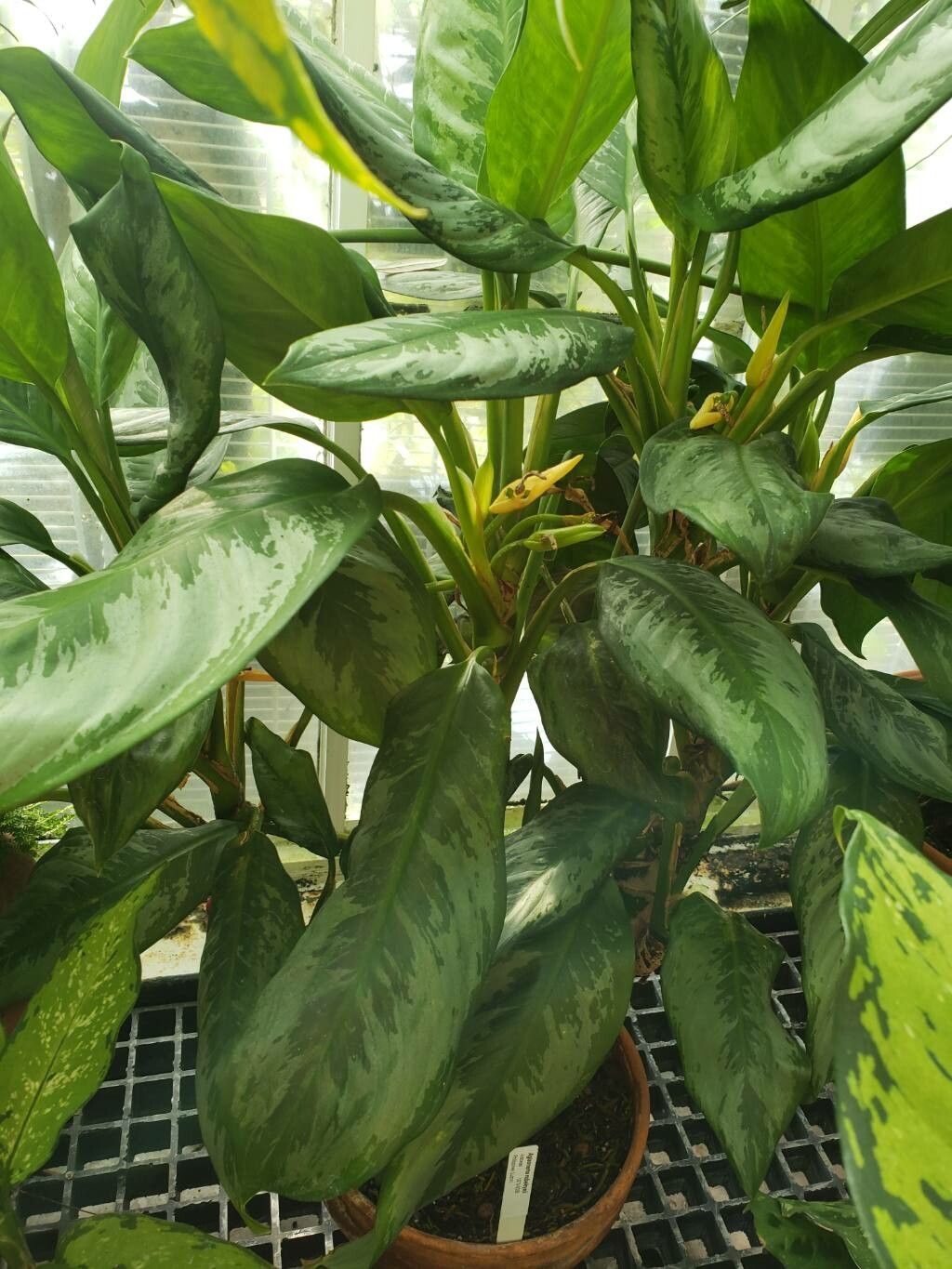
Oh, Aglaonema robeleynii! If you’ve ever admired those gorgeous, patterned leaves cascading from a pot, you’re not alone. These beauties, often called Chinese Evergreens, bring such a splash of color and life to any indoor space. And guess what? Propagating them is not as daunting as you might think! In fact, I find it quite a rewarding little project, and definitely one that beginners can absolutely tackle. Seeing a new plant emerge from a small piece of the old one? Pure magic.
The Best Time to Start
For the highest success rates with your Aglaonema robeleynii, spring and early summer are your absolute best friends. This is when the plant is naturally in its most active growth phase. It’s flush with energy, making it much more receptive to sending out new roots. Waiting until after your plant has had a good period of consistent warmth and light will give you the best results.
Supplies You’ll Need
Gathering your tools beforehand makes the whole process much smoother. Here’s what I always have on hand:
- Sharp, clean pruning shears or a good knife: You want a clean cut to minimize damage and prevent disease.
- Rooting hormone (optional but recommended): A little boost can encourage faster and stronger root development. Clonex or Dip ‘N Grow are great options.
- Well-draining potting mix: I usually go for a blend of perlite, orchid bark, and peat moss or coco coir. A standard houseplant mix with extra perlite works too.
- Small pots or containers: Clean ones are key! You don’t want to introduce any old nasties.
- Clear plastic bags or a humidity dome: To keep things nice and humid while the cuttings root.
- Water: For water propagation or to lightly moisten your potting mix.
- A small watering can or spray bottle: For gentle watering.
Propagation Methods
There are a couple of fantastic ways to get more Aglaonema robeleynii from your existing plant. Let’s dive in!
Stem Cuttings
This is probably my favorite method for Aglaonema.
- Find a healthy stem: Look for a stem that has at least two or three nodes. Nodes are those little bumps on the stem where leaves emerge. This is where roots will form.
- Make the cut: Use your clean pruning shears or knife to cut the stem about an inch below a node.
- Prepare the cutting: Gently remove the bottom leaf or two. This prevents them from rotting when buried or submerged. If the remaining leaves are very large, you can cut them in half horizontally to reduce water loss from transpiration.
- Apply rooting hormone (if using): Dip the cut end of the stem into your rooting hormone powder or liquid, according to the product’s instructions. Tap off any excess.
- Plant or water:
- For soil propagation: Fill your small pot with your prepared potting mix. Make a finger-sized hole in the center and insert the cut end of the stem, ensuring at least one node is below the soil surface. Gently firm the soil around it.
- For water propagation: Place the cutting in a glass of room-temperature water. Make sure the nodes are submerged, but try to keep the leaves out of the water.
- Provide humidity: If you’ve potted, water lightly and cover the pot with a clear plastic bag or place it in a propagator. If you’re using water, you can simply place the glass in a good spot.
Division
This method is perfect if your Aglaonema is getting a bit crowded in its pot.
- Gently remove from pot: Turn the plant on its side and carefully slide it out.
- Inspect the root ball: Gently tease apart the soil to see where the plant naturally divides into separate crowns. You’re looking for distinct sections with their own roots and stems.
- Separate the divisions: Use your hands or a clean knife to carefully separate the sections. Try to keep as many roots attached to each division as possible.
- Pot them up: Pot each division into its own small pot filled with your well-draining mix. Water them in gently.
The “Secret Sauce” (Pro Tips)
Here are a couple of things I’ve learned over the years that really up the ante for successful propagation:
- Bottom heat is your friend: If you’re struggling with root rot or slow rooting, placing your pots on a gentle heating mat can make a world of difference. It keeps the soil at a consistently warm temperature, which encourages root development and helps prevent fungal issues. Just aim for a cozy, not scorching, warmth.
- Don’t let roots touch the water (when water propagating): This sounds counterintuitive, but if the leaves are submerged in the water, they can quickly start to rot. Keep those leaves dry and only the nodes in the water. It’s a small detail, but it prevents a common propagation pitfall.
Aftercare & Troubleshooting
Once your cuttings have taken root (you’ll see new leaf growth or feel resistance when you gently tug), it’s time for a little extra care!
- Acclimation: If you used a humidity dome or plastic bag, gradually increase ventilation over a few days to help the new plant adjust to normal humidity levels.
- Watering: Water when the top inch of soil feels dry. Aglaonema likes to be kept consistently moist, but not soggy. Avoid overwatering, as this is a fast track to root rot.
- Light: Place your new plants in bright, indirect light. They don’t need intense sun, which can scorch their delicate new leaves.
Troubleshooting: The most common issue you might face is rot. If you notice mushy stems or leaves turning yellow and dropping off, it’s often a sign of too much moisture and not enough air circulation. In this case, you might need to start over with fresh cuttings, ensuring better drainage and air flow.
A Little Patience Goes a Long Way
Propagating plants is as much an art as it is a science. Don’t be discouraged if your first attempt isn’t perfect. Every gardener has had cuttings that didn’t make it! The key is to keep learning, keep trying, and most importantly, enjoy the process. Watching that tiny cutting grow into a beautiful, thriving Aglaonema is incredibly satisfying. Happy propagating!
Resource: