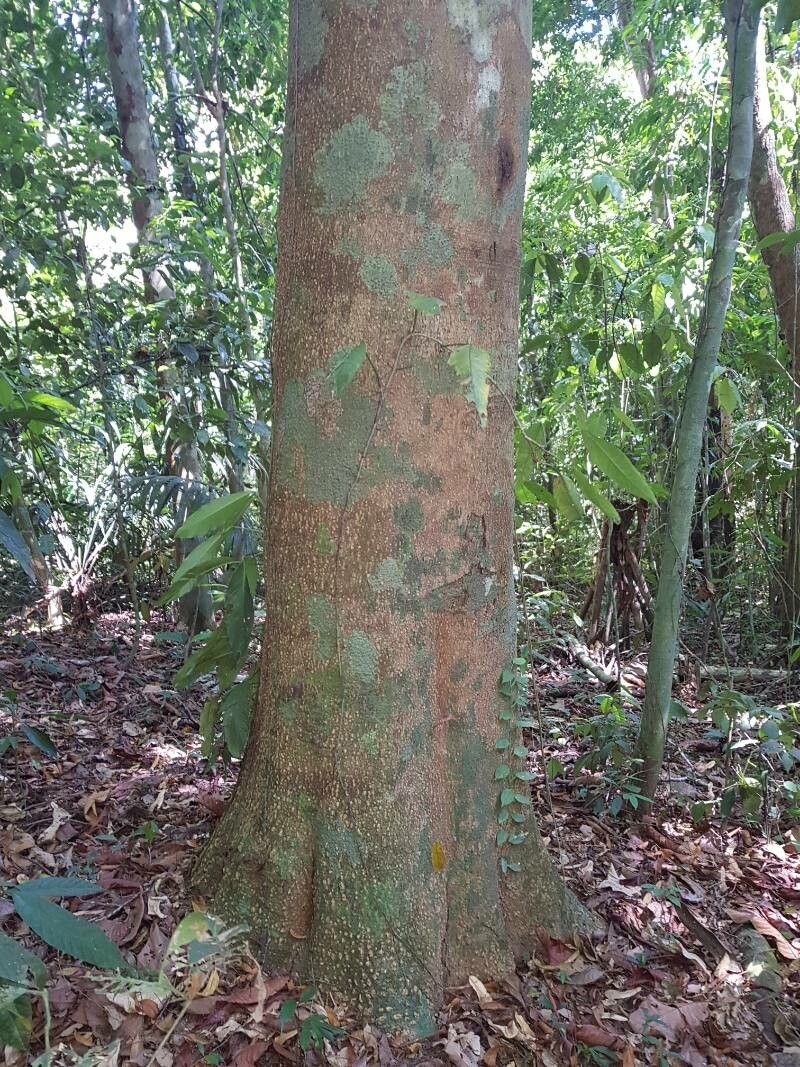
Ah, Myroxylon balsamum! You know, the “Balsam of Peru” or “Toluifera” as some old-timers call it. It’s a tree that truly sings with fragrance, isn’t it? Its rich, balsamic scent is just intoxicating, and seeing a young seedling unfurl its first leaves is a special kind of magic. While it might sound a bit exotic, propagating Myroxylon balsamum is completely do-able, and oh-so-rewarding. For the absolute beginner, it’s a bit of a journey rather than a stroll in the park, but with a little care and these tips, you’ll be well on your way.
The Best Time to Start
Honestly, springtime is where it’s at for Myroxylon balsamum. Think of it like this: the plant is waking up after its winter rest and has loads of energy to put into new growth. Aim for late spring or early summer, after the last danger of frost has passed. You want to be working with softwood or semi-hardwood cuttings, which snap cleanly when bent, rather than being too flexible or woody.
Supplies You’ll Need
Gathering your bits and bobs beforehand makes the whole process much smoother. Here’s what I usually have on hand:
- Sharp pruning shears or a clean, sharp knife: For making clean cuts.
- Rooting hormone (optional but recommended): A powdered or gel form can give your cuttings a real boost.
- Small pots or trays: Terracotta pots are lovely, but plastic ones work too. Just make sure they have drainage holes!
- Well-draining potting mix: I like to mix equal parts perlite and seed-starting mix, or a good quality peat-free compost with plenty of perlite.
- Plastic bags or a propagator lid: To create a humid environment.
- Watering can with a fine rose: For gentle watering.
- Labels: Don’t forget to label your cuttings!
Propagation Methods
The most foolproof way I’ve found to get Myroxylon balsamum going is through stem cuttings. It’s straightforward and usually yields good results.
- Take Your Cuttings: Select healthy, vigorous stems from your parent plant. Look for branches that are about pencil-thickness and have started to harden off a bit, but aren’t totally woody. Using your clean shears or knife, take cuttings that are 4-6 inches long. Make the cut just below a leaf node (where a leaf grows from the stem).
- Prepare the Cuttings: Gently remove the lower leaves, leaving just a couple of leaves at the very top. If the remaining leaves are large, you can even cut them in half horizontally. This reduces water loss.
- Apply Rooting Hormone (If Using): Dip the cut end of the stem into water, then into your rooting hormone powder or gel, tapping off any excess.
- Pot Them Up: Fill your pots or trays with your prepared well-draining potting mix. Make a little hole in the soil with your finger or a pencil.
- Insert the Cuttings: Carefully insert the treated end of each cutting into the hole, ensuring it goes about an inch or two deep. Gently firm the soil around the base of the cutting to make sure it has good contact.
- Water Gently: Give the soil a light watering with your fine-rosed watering can. You want the soil to be moist but not waterlogged.
- Create Humidity: Cover the pots with clear plastic bags or place them in a propagator. Make sure the leaves don’t touch the sides of the bag or the lid too much, as this can encourage rot. You can use stakes to hold the bag up if needed.
- Find a Warm Spot: Place your cuttings in a bright location, but out of direct sunlight. A windowsill is often perfect.
The “Secret Sauce”
Now, over the years, I’ve picked up a few tricks that seem to make all the difference.
- Bottom Heat is Your Friend: Myroxylon balsamum loves a bit of warmth from below. If you can, pop your pots onto a heated propagator mat. This encourages root development much faster than just ambient room temperature.
- Mist Regularly: While we don’t want soggy soil, those leaves can dry out quickly. I like to mist the cuttings daily with plain water, especially if they’re not in a sealed propagator. It helps them stay turgid.
- Be Patient with the Water: If you’re opting for the simpler water propagation method before moving to soil, make sure no leaves are submerged in the water. Only the stem should be in contact. Any leaves in the water will rot, which can then kill the whole cutting.
Aftercare & Troubleshooting
Once your cuttings start showing signs of life – new leaves unfurling or a gentle tug indicating resistance, meaning roots have formed – it’s time to transition them.
Signs of Rooting: Look for new leaf growth. This is usually the most obvious sign. You might also feel a slight resistance if you gently try to pull on the cutting.
Transitioning to Soil (if rooted in water): Once you have a decent root system (an inch or two long), carefully transplant them into your well-draining potting mix as described above.
Caring for Young Plants: Water them as needed to keep the soil consistently moist but not soggy. Once they are established and growing well, you can start to water them more deeply and less frequently. Keep them in bright, indirect light.
Troubleshooting: The biggest enemy here is rot. If your cuttings turn black and mushy at the base, or if the leaves start to yellow and drop dramatically, it’s often a sign of too much moisture and poor drainage. Make sure your soil mix is airy and your pots have good drainage. If you see any signs of rot, you might need to discard the affected cutting and try again, ensuring better airflow and less water next time.
A Bit More Patience, A Lot More Growth
Propagating plants is an act of faith and a lesson in patience. Don’t get discouraged if your first few attempts aren’t perfect. Each time you try, you learn a little more. Just enjoy the process of nurturing these little snippets of life, and soon you’ll have more of that beautiful, fragrant Myroxylon balsamum gracing your garden! Happy planting!
Resource:
https://identify.plantnet.org/k-world-flora/species/Myroxylon%20balsamum%20(L.)%20Harms/data