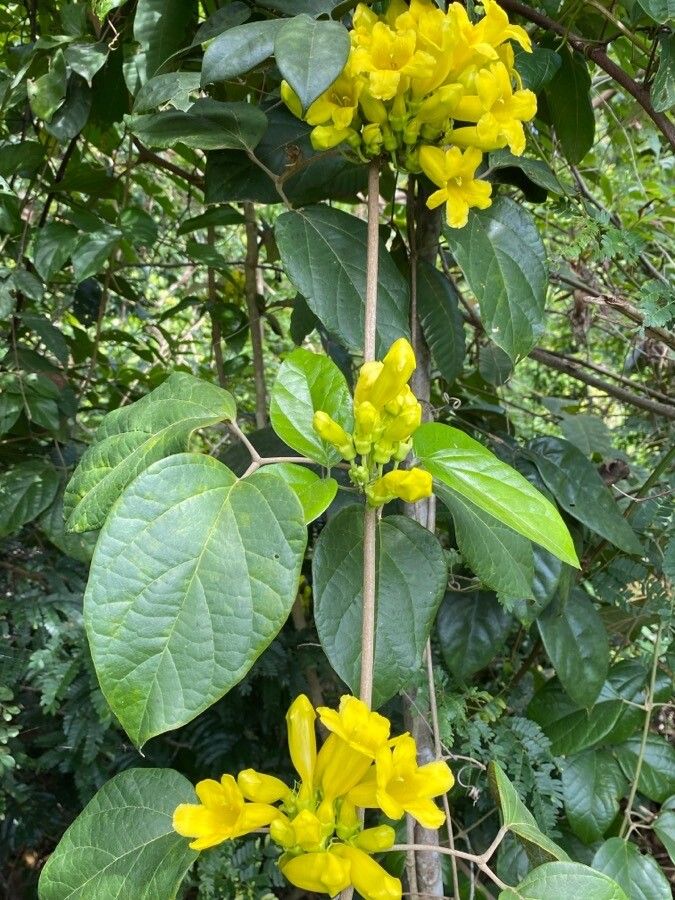
Oh, Anemopaegma setilobum! If you’ve ever seen this beauty gracing a garden fence or scrambling up a trellis, you know the pure joy it brings with its vibrant trumpet-shaped flowers. For me, propagating these gems is one of my favorite garden rituals. It’s like magic, watching a tiny snippet of plant transform into a whole new life. And guess what? While it has a bit of a reputation for being a touch finicky, I find it’s absolutely doable for most gardeners – even if you’re just dipping your toes into propagation. Persistence is key, and the reward of seeing your own Anemopaegma thrive is just incredible.
The Best Time to Start
When it comes to Anemopaegma setilobum, timing is everything. My absolute favorite time to take cuttings is late spring to early summer. This is when the plant is actively growing, meaning it’s got plenty of energy to put into rooting. You’ll want to look for softwood or semi-hardwood stems – they should be flexible but not so soft that they snap easily. Think of it as that perfect stage between brand-new growth and something that’s getting a bit woody.
Supplies You’ll Need
Here’s what I keep on hand when I’m ready to get my hands dirty:
- Sharp Pruning Shears or a Clean Knife: For making clean cuts that reduce stress on the plant.
- Rooting Hormone: This is your secret weapon! I prefer a powder for stem cuttings.
- Well-Draining Potting Mix: A blend of equal parts peat moss or coco coir, perlite, and a little bit of compost works wonders. You want something that holds moisture but also lets excess water escape freely.
- Small Pots or Seedling Trays: Clean pots are crucial to avoid introducing any diseases.
- Plastic Bag or Humidity Dome: To keep humidity high around your cuttings.
- Watering Can with a Fine Rose: For gentle watering.
- Labeling Stakes: So you don’t forget what you planted!
Propagation Methods
Let’s get down to how we’ll coax these lovely plants into existence. For Anemopaegma setilobum, stem cuttings are my go-to method.
- Select Your Cuttings: Head out to your Anemopaegma and look for those healthy, vigorous, non-flowering shoots. You want pieces that are about 4-6 inches long. Make a clean cut just below a leaf node (where a leaf attaches to the stem). This is where the magic of rooting typically happens.
- Prepare the Cuttings: Gently remove the lower leaves from the cutting, leaving just a few at the top. This prevents them from rotting in the soil and encourages the plant to focus energy on rooting. If the leaves are quite large, you can even pinch them in half to reduce water loss.
- Apply Rooting Hormone: Dip the cut end of the stem into your rooting hormone, tapping off any excess. Make sure the entire cut end is coated.
- Plant Your Cuttings: Fill your clean pots with your prepared, slightly damp potting mix. Make a small hole with your finger or a pencil and gently insert the base of the cutting, ensuring the rooting hormone stays in place. Firm the soil gently around the stem.
- Create a Humid Environment: Water the soil gently. Then, I like to pop a clear plastic bag over the pot, securing it loosely around the base with a rubber band, or use a humidity dome. This creates a little greenhouse effect.
- Find the Right Spot: Place your pots on a well-lit windowsill out of direct, harsh sunlight. The warmth from the windowsill is beneficial, but too much sun will scorch those delicate cuttings.
The “Secret Sauce” (Pro Tips)
Here are a few little tricks I’ve picked up over the years that seem to really help with Anemopaegma:
- Bottom Heat is Your Friend: If you can, place your pots on a gentle heat mat designed for seed starting. This provides a consistent, warm environment for the roots to develop, which is a game-changer for trickier cuttings. Just a slight warmth is all they need.
- Don’t Let Leaves Touch the Water (If Water Propagating): While I primarily use soil for Anemopaegma, if you’re tempted to try water propagation (which I find less successful for this specific plant), it’s critical that no leaves are submerged in the water. Any part of the stem below the water line is prone to rot.
- Mist, Don’t Drench: While you want humidity, overwatering the soil is a sure-fire way to end up with rot. I often give the leaves a light misting with water a couple of times a day if I’m not using a sealed dome, just to keep things a little dewy without waterlogging the roots.
Aftercare & Troubleshooting
Once your cuttings have been in their cozy environment for a few weeks, you’ll start to see new growth. That’s a great sign! Gently tug on a stem; if there’s resistance, roots have formed.
When you see this, you can gradually introduce them to more normal air by opening the plastic bag a little each day or lifting the dome for increasing periods. Once they’ve acclimated, you can start watering them as you would a young potted plant – keeping the soil consistently moist but not soggy.
Now, for the bumps in the road. The most common issue you’ll encounter is rot. If your cuttings look mushy, black, or slimy, it’s usually a sign of too much moisture and not enough airflow. Sadly, these are often beyond saving. Another sign is if the leaves start to yellow and drop off. This can be due to too little light, lack of moisture, or simply the plant giving up. Don’t get discouraged! Just take note of what might have gone wrong and try again. Every gardener loses cuttings; it’s part of the journey.
A Little Encouragement for Your Green Journey
Propagating Anemopaegma setilobum is a rewarding endeavor. It takes a little patience and a keen eye, but watching those first tiny roots emerge is truly special. So, gather your supplies, find a healthy stem, and give it a go. Even if your first attempt doesn’t yield a whole new plant, you’ll have learned so much. Enjoy the process, my friend, and happy gardening! You’ve got this!
Resource:
https://identify.plantnet.org/k-world-flora/species/Anemopaegma%20setilobum%20A.H.Gentry/data