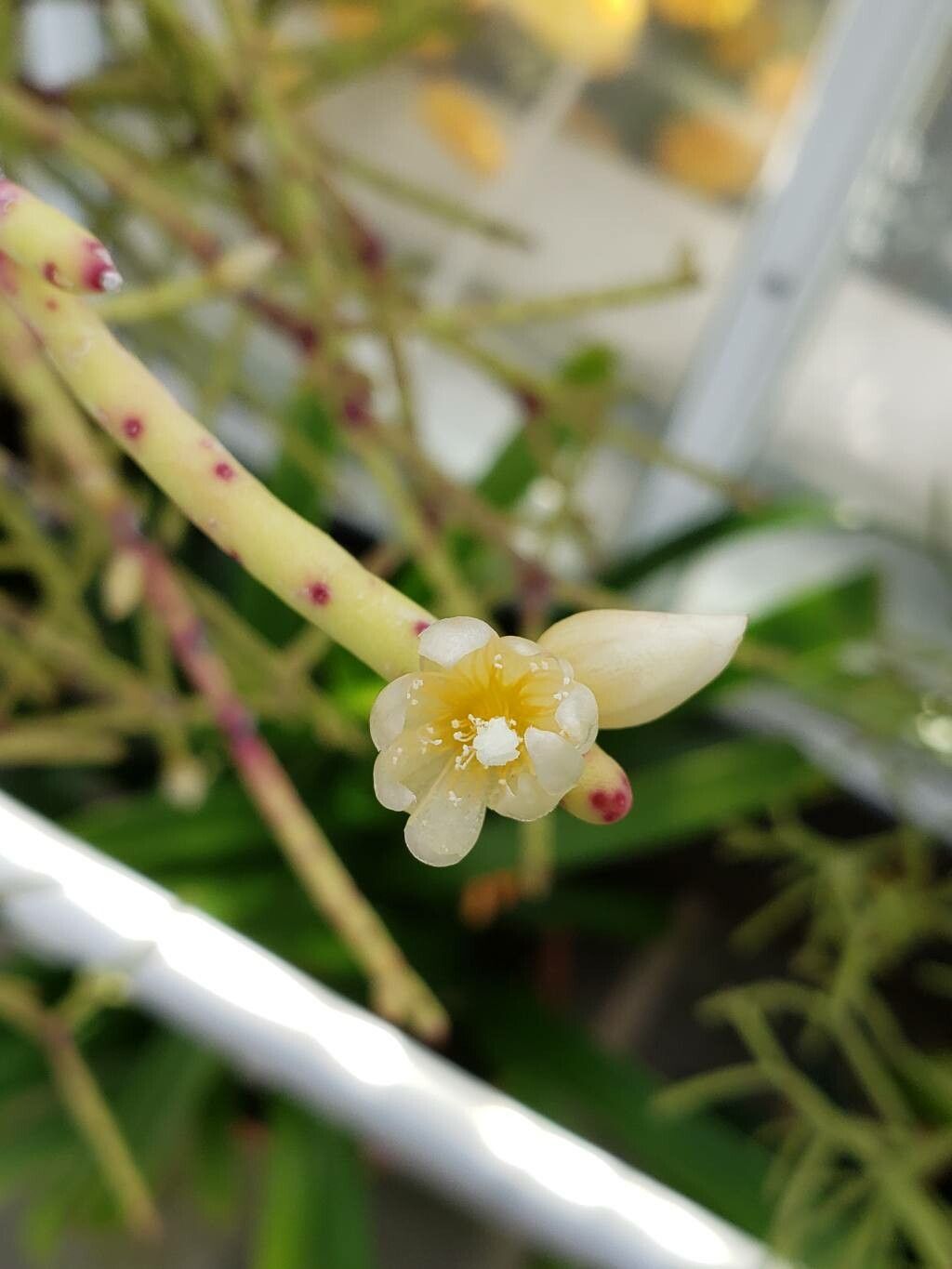
Oh, hello there! Come on in and pull up a chair. It’s lovely to have you visit my little corner of the plant-loving world. Today, we’re diving into the delightful world of Rhipsalis baccifera. If you’ve ever admired those ethereal, cascading stems of the Mistletoe Cactus, you’re in for a treat.
Why Propagate Our Airy Friend?
Rhipsalis baccifera is truly a gem. Its delicate, segmented stems that seem to almost float in the air make for a stunning houseplant. And the best part? Sharing these beauties is incredibly rewarding! It’s a wonderful way to fill your home with more of their magical presence, or to gift a piece of living art to friends and family. For beginners, I’d say Rhipsalis propagation falls into the “rewardingly achievable” category. With a little care and patience, you’ll be well on your way.
When to Get Our Hands Dirty
The ideal time to propagate Rhipsalis baccifera is during its active growing season. For most of us, this means spring and early summer. The plant is energized and ready to put out new growth, making it much more receptive to rooting. You’ll know it’s a good time when you see new, plump segments appearing on your existing plant.
Gathering Our Toolkit
Before we begin, let’s make sure we have everything we need. Think of this as preparing your craft supplies!
- Sharp Pruning Shears or a Clean Knife: For making clean cuts. A dull tool can damage the stem.
- Well-Draining Potting Mix: This is crucial! A cactus and succulent mix is a good start, but I like to add extra perlite or pumice for even better aeration. You want it to dry out reasonably quickly.
- Small Pots or Containers: Terracotta pots are my favorites for propagation, as they allow the soil to breathe.
- Rooting Hormone (Optional but helpful): A gentle stimulant can give your cuttings a little boost.
- Watering Can or Spray Bottle: For gentle watering.
- Patience: The most important ingredient!
Bringing New Rhipsalis to Life
There are a couple of wonderful ways to propagate Rhipsalis that work like a charm.
Method 1: Stem Cuttings – The Classic Approach
This is my go-to method, and it’s usually the most successful.
- Take a Cutting: With your clean shears or knife, select a healthy stem that’s at least 4-6 inches long. Make a clean cut just above a segment joint. You can even take smaller pieces, as long as they have at least two or three segments.
- Let it Callus: This is a vital step! Place the cutting in a dry, airy spot for 2-3 days (or even up to a week for larger cuttings). This allows the cut end to form a dry callus, which prevents rot when it goes into the soil. It’s like the plant is giving it a little band-aid!
- Potting Up: Gently insert the callused end of the cutting into your well-draining potting mix. You can push it in about an inch deep.
- Initial Watering: Water very lightly, just enough to settle the soil around the cutting. Overwatering at this stage is a quick way to invite disaster.
Method 2: Water Propagation – Watch Them Grow!
This is a fun method for seeing the roots develop, but it requires careful monitoring.
- Prepare Your Cutting: Follow step 1 from the stem cutting method. Again, a clean cut is key.
- Place in Water: Submerge just the cut end of the stem in a small glass or jar of clean water. Crucially, do not let any of the green leafy parts touch the water. This will lead to rot very quickly.
- Change Water Regularly: Change the water every few days to keep it fresh and prevent bacterial growth.
- Wait for Roots: You’ll start to see tiny roots forming from the cut end. This can take a few weeks. Once the roots are about an inch long, it’s time to pot them up into soil using the steps for Method 1.
The “Secret Sauce” – My Insider Tips
So, you’ve got the basics. Now, let’s sprinkle in a bit of experience for that extra magic touch.
- Don’t Rush the Callus: Seriously, this is where so many people stumble. That dry callus is your best friend against rot. A little patience here pays huge dividends later. Think of it as the plant sealing its wound.
- A Hint of Bottom Heat: If you have a seedling heat mat, placing your pots on it can significantly speed up root formation, especially if your home is on the cooler side. It mimics the warmth of spring sunshine! Just a gentle warmth is all they need.
- Airflow is Your Friend: Make sure your cuttings have good air circulation. Stagnant, humid air can encourage fungal issues. I often keep my propagation trays in a bright spot away from any drafts, but with good general room airflow.
Aftercare and What to Watch For
Once your cuttings have developed good roots – you’ll see new growth above the soil, or feel a gentle tug when you very lightly try to move the stem – it’s time to treat them like little Rhipsalis babies.
Continue to water them sparingly. Allow the top inch of soil to dry out completely between waterings. They still don’t like to sit in soggy conditions. Keep them in bright, indirect light.
Now, what if things go wrong? The most common foe is rot. You’ll see stems turn mushy, black, or translucent. If you spot this, act fast. Remove the affected cutting immediately to prevent it from spreading. It’s often a sign of overwatering or a lack of that crucial callus. Sometimes, even with the best intentions, a cutting just won’t take. Don’t be discouraged! It happens to us all.
Go Forth and Grow!
See? Not so daunting, is it? Propagating Rhipsalis baccifera is a beautiful, rewarding journey. Embrace the process, be patient with your little green charges, and enjoy the satisfaction of nurturing new life. You’ve got this, and I can’t wait to hear about your successes! Happy propagating!
Resource: