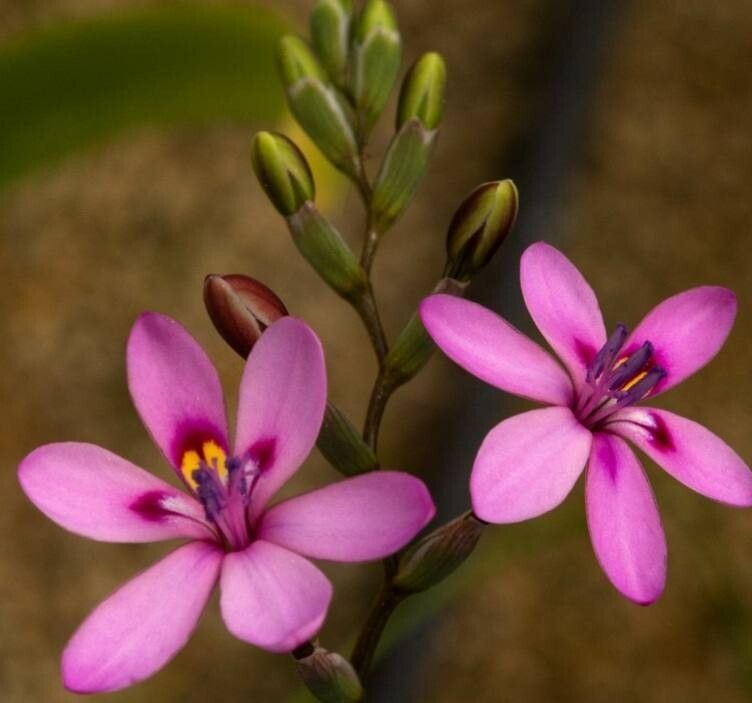
Oh, happy day, fellow plant enthusiasts! Today, we’re diving into the wonderful world of Werauhia verrucosa. If you’re drawn to its striking, architectural leaves and charming, waxy texture, you’re not alone! This bromeliad is a real stunner, and propagating it is your ticket to filling your home (or a friend’s!) with these beauties.
Now, some of you might be wondering if this is a project for beginners. Honestly, I’d say Werauhia verrucosa is moderately easy to propagate. It doesn’t require extreme conditions, but a touch of patience and attention will make all the difference. The satisfaction of nurturing a brand-new plant from a piece of an existing one? Absolutely priceless!
The Best Time to Start
My go-to time for propagating Werauhia verrucosa is during its active growing season, which is typically from late spring through summer. When the plant is vigorous and putting on new growth, it has the energy reserves needed to readily form roots. If you can catch it after it has produced a pup or offset, even better!
Supplies You’ll Need
Before we get our hands dirty, let’s make sure we have our toolkit ready. You’ll want:
- A sharp, clean pruning shear or knife. Sterilize it with rubbing alcohol to prevent the spread of any nasty bugs or diseases.
- A well-draining potting mix. I swear by a blend of equal parts perlite, coco coir, and a good quality orchid bark mix. This combo gives great aeration and prevents waterlogging.
- Clean pots or containers for your new cuttings. Small ones are perfect!
- Rooting hormone (optional, but can give a helpful boost). Look for a powder or gel form.
- A spray bottle filled with clean water.
- A shallow tray or a propagation mat (for bottom heat – more on that later!).
Propagation Methods
Werauhia verrucosa is best propagated through division, as it readily produces pups (baby plants) from its base. Here’s how I do it:
- Assess Your Plant: Look for healthy, mature pups that are at least one-third the size of the mother plant. You’ll usually find them growing right at the base of the main plant, sometimes peeking out from under the soil.
- Gently Remove from Pot: Carefully take your mature Werauhia verrucosa out of its current pot. Gently loosen the soil around the base to get a better look at where the pups are attached.
- Separate the Pup: Using your sterilized shear or knife, carefully cut the pup away from the mother plant. Try to make a clean cut as close to the mother plant’s base as possible, ensuring the pup has some of its own roots attached. If a pup doesn’t have visible roots yet, don’t fret! It can still root once planted.
- Allow to Callus (The Important Step!): This is crucial! Once you’ve separated the pup, place it in a warm, dry, and well-ventilated spot for 2-3 days. This allows the cut end to callus over, meaning it dries and forms a protective layer. This step greatly reduces the risk of rot.
- Planting Time: After callusing, lightly dip the cut end of the pup in rooting hormone (if you’re using it). Then, plant it in your prepared well-draining potting mix. Pot it just deep enough so it’s stable.
- Water Sparingly: Give it a gentle watering. You want the soil to be moist, not soggy. It’s better to underwater at this stage than to overwater.
The “Secret Sauce” (Pro Tips)
Here are a couple of tricks I’ve picked up over the years that really help:
- Bottom Heat is Your Friend: Werauhia verrucosa loves warmth, just like its tropical origins! Placing your potted pups on a propagation mat or simply on top of a warm appliance (like a router or a cable box that’s not too hot) provides gentle bottom heat. This encourages root development and can make a surprising difference.
- Don’t Over-Mist: While humidity is good, directly spraying the leaves of a newly potted cutting can invite rot, especially if it hasn’t established roots yet. Instead, focus on keeping the soil lightly moist and ensuring good air circulation. Lightly misting the air around the plant is usually sufficient.
Aftercare & Troubleshooting
Once your pup is planted and has callused, the patience game begins! Keep it in a bright, indirect light location. Avoid direct sun, which can scorch its young leaves. Water only when the top inch of soil feels dry.
Signs of success? You’ll start to see new leaf growth emerging from the center of the pup. This is your cue that roots are forming happily below!
What if things go wrong? The biggest culprit is rot. If your pup looks mushy, discolored, or smells funky, it’s likely rotten. This usually happens from overwatering or not allowing it to callus properly. If you spot rot on just a leaf or two, you can try to trim away the affected parts, but if the base is mushy, it’s usually best to discard it and start again, learning from the experience.
A Little Encouragement to Grow On
See? It’s more about understanding the plant’s needs and giving it a little head start. Don’t be discouraged if your first attempt isn’t immediately successful. Every gardener has their learning curve, and that’s part of the fun! Enjoy the process of nurturing your new Werauhia verrucosa. Happy propagating, and may your green thumb flourish!
Resource: